 English
 русский
 عربى
عربى

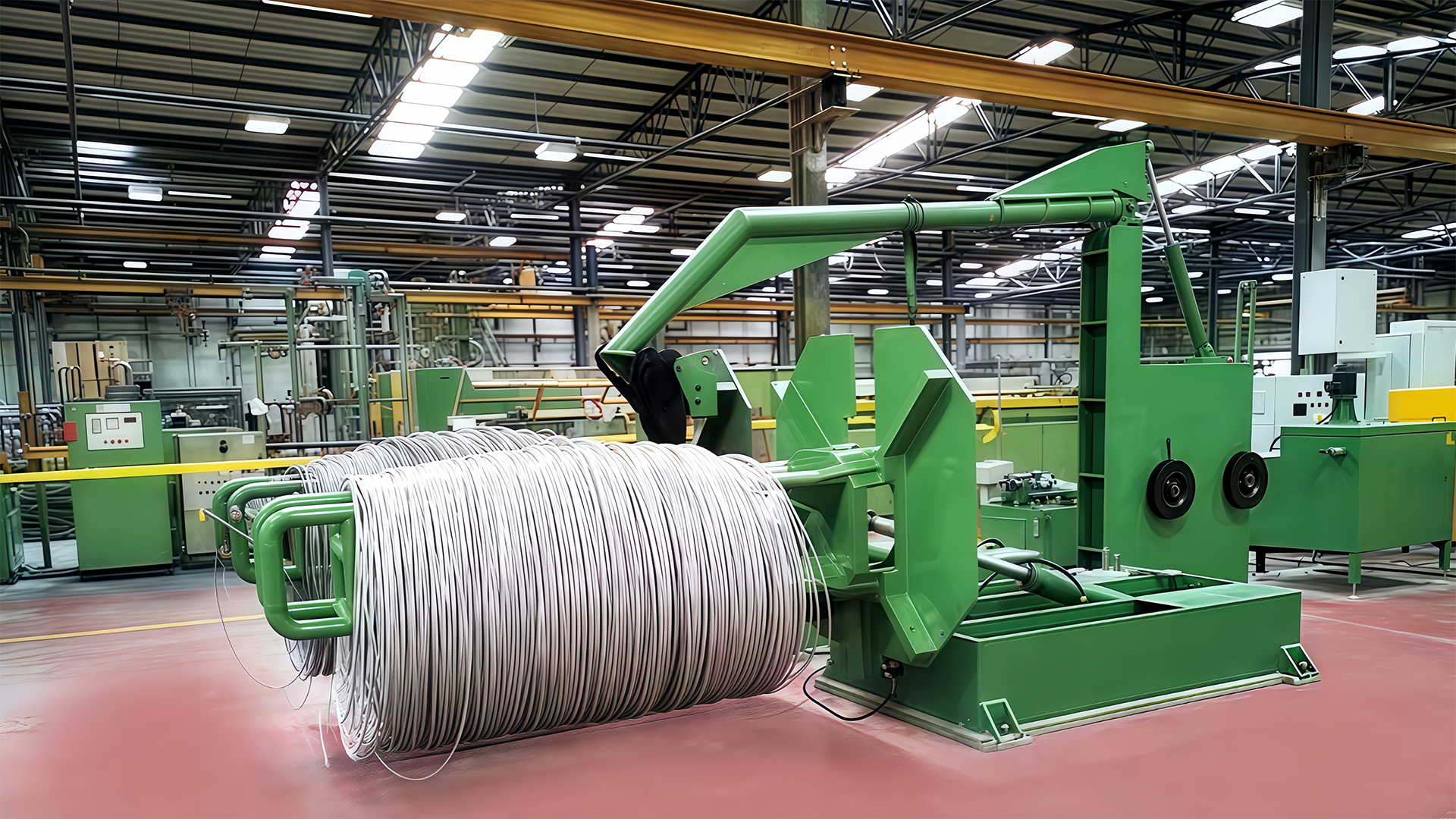
When evaluating take-up spool capacity, a standard single-head Wire Drawing Machine typically handles coil weights between 500 kg and 1,500 kg with reel diameters ranging from 400 mm to 800 mm, while a double-head Wire Drawing Machine can manage coil weights of 1,500 kg to 3,500 kg per head with reel diameters reaching up to 1,250 mm. This difference directly affects production throughput, downtime frequency, and operational cost — making spool capacity one of the most critical purchase decision factors for wire manufacturers.
Understanding Take-Up Spool Capacity in a Wire Drawing Machine
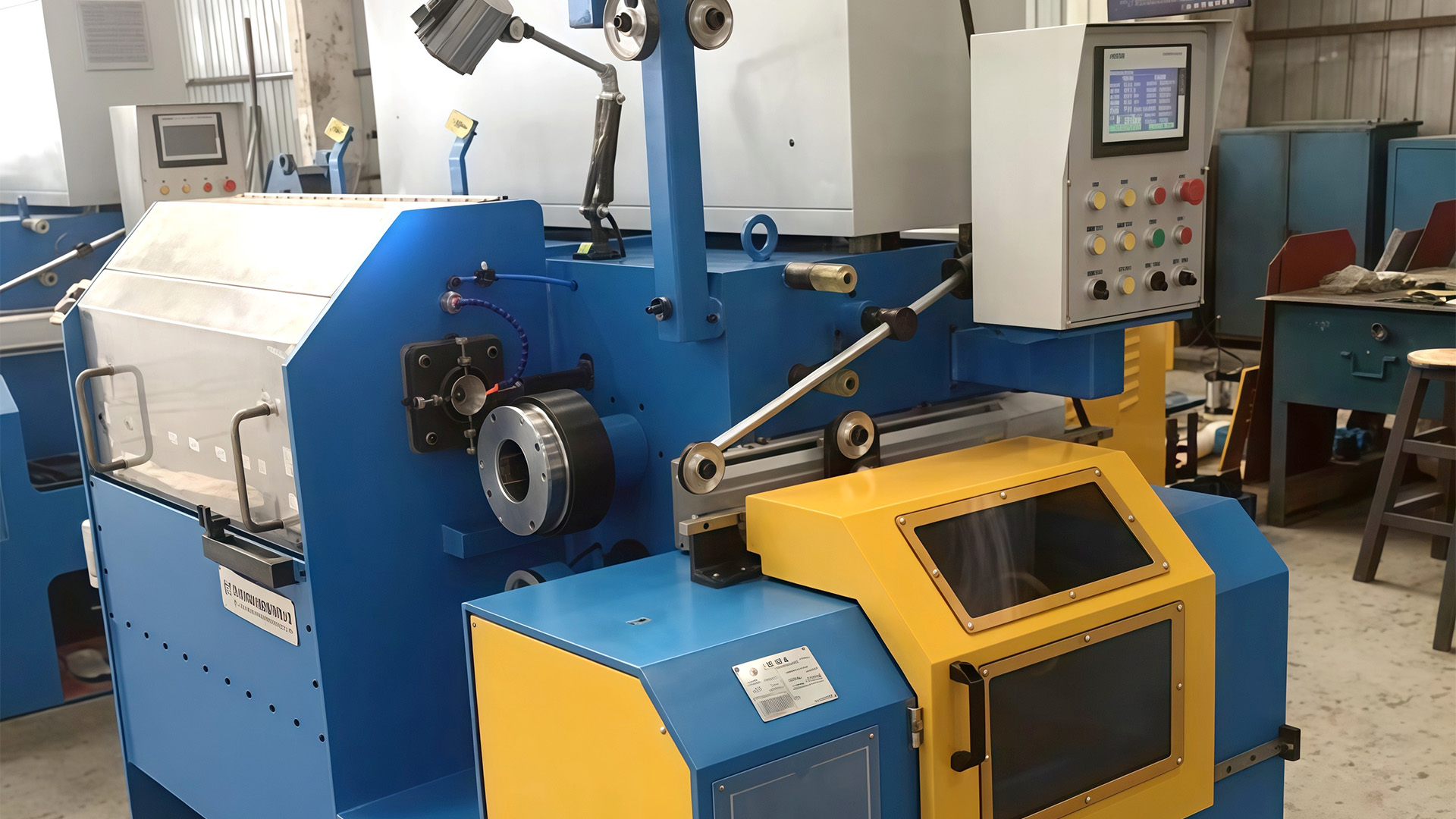
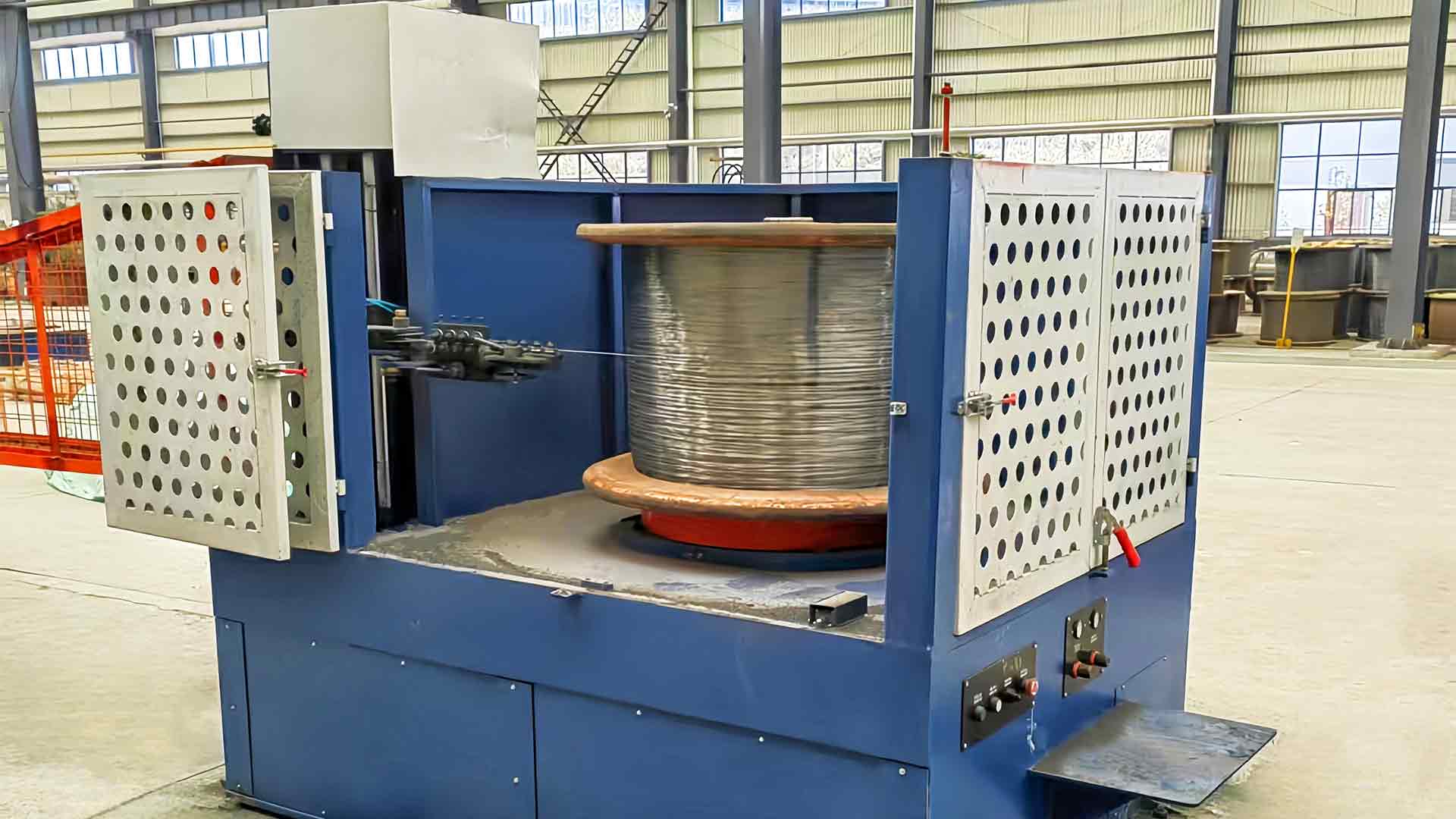
The take-up system is responsible for collecting finished drawn wire onto a spool or reel after it exits the final die. In a conventional Wire Drawing Machine, the take-up unit is a single-station mechanism. Its capacity is limited by the structural load the machine frame can bear and the torque the motor can sustain.
Key parameters that define take-up spool capacity include:
- Reel or spool outer diameter (OD)
- Flange-to-flange traverse width
- Maximum coil weight (kg)
- Core or barrel diameter
- Winding tension range (N)
A standard Wire Drawing Machine designed for medium carbon steel wire (diameter range 1.0 mm – 6.0 mm) typically uses a reel with an OD of 630 mm to 800 mm and supports a finished coil weight of approximately 800 kg to 1,200 kg. This is adequate for small-to-mid-volume operations but creates bottlenecks in high-output environments due to frequent reel changes.
Double-Head Wire Drawing Machine: How Spool Capacity Scales Up
A double-head Wire Drawing Machine integrates two independent take-up stations onto a single machine platform. This design allows continuous operation: while one head is being unloaded and a new spool fitted, the other head continues winding. The practical effect is near-zero downtime during coil changeover.
In terms of raw capacity, each take-up head on a double-head machine can accommodate:
- Reel OD: 900 mm – 1,250 mm
- Traverse width: 400 mm – 700 mm
- Max coil weight per head: 2,000 kg – 3,500 kg
- Core barrel diameter: 300 mm – 500 mm
For producers drawing wire destined for use with downstream equipment like a Barbed Wire Machine — which consumes large volumes of wire at high speeds — the double-head configuration is significantly more compatible because it reduces the frequency of wire-feed interruptions and coil splicing events that can damage barbed wire formation quality.
Side-by-Side Comparison: Coil Weight and Reel Diameter
The table below provides a direct comparison of typical take-up spool specifications between a standard Wire Drawing Machine and a double-head Wire Drawing Machine across common wire material types:
| Parameter | Standard Wire Drawing Machine | Double-Head Wire Drawing Machine |
|---|---|---|
| Reel Outer Diameter (OD) | 400 – 800 mm | 900 – 1,250 mm |
| Max Coil Weight (per head) | 500 – 1,500 kg | 2,000 – 3,500 kg |
| Number of Take-Up Heads | 1 | 2 |
| Coil Changeover Downtime | 5 – 15 min per coil | Near-zero (continuous) |
| Suitable Wire Diameter | 0.5 – 8.0 mm | 1.0 – 12.0 mm |
| Typical Application | Small–medium production runs | High-volume, continuous production |
| Floor Space Required | Compact (lower footprint) | Larger (15–30% more floor area) |
Production Efficiency Impact: Why Coil Weight Matters More Than You Think
The difference in coil weight capacity has a compound effect on overall production efficiency. Consider a plant drawing 1.6 mm galvanized steel wire at a speed of 8 m/s continuously:
- A standard Wire Drawing Machine with a 1,000 kg coil limit requires a reel change approximately every 90 – 110 minutes, costing 10 minutes of downtime each cycle.
- Over a 24-hour shift, this amounts to 13 – 16 reel changes, or up to 2.5 hours of lost production time per day.
- A double-head Wire Drawing Machine with 3,000 kg per head reduces changeover stops to 4 – 5 times per shift, recovering most of that lost time.
This efficiency advantage is especially significant for plants that also run a Wire straightening machine in-line downstream, where consistent wire tension and uninterrupted feed are critical. Frequent stops on the drawing machine translate directly into misalignment and quality defects on the straightening unit, increasing scrap rates.
Reel Diameter: Structural and Quality Implications
Reel diameter is not just about capacity — it also affects the residual curvature (set) of the finished wire. Smaller reel diameters induce greater curvature memory into the wire coil, which becomes problematic in applications requiring straight wire sections.
Effect of Reel Diameter on Wire Straightness
For a 3.0 mm diameter steel wire:
- Wound on a 500 mm OD reel (standard machine): residual bow of approximately 8 – 12 mm per meter when uncoiled.
- Wound on a 1,000 mm OD reel (double-head machine): residual bow reduces to 2 – 4 mm per meter, nearly halved.
This matters significantly when wire is fed into a Wire straightening machine downstream. A larger-reel Wire Drawing Machine reduces the correction workload on the straightener, lowers roller wear, and improves final product dimensional consistency — particularly important for nail-making, mesh welding, and spring coiling applications.
Reel Diameter Requirements by End Product
- Barbed Wire Machine feed wire: Minimum reel OD of 630 mm recommended; double-head machine's 1,000+ mm OD is preferred for consistent tension feeding.
- Welded mesh wire: OD 800 mm or larger; smaller reels cause weld joint misalignment.
- Spring steel wire: OD 500 – 630 mm acceptable; tighter winding tolerance acceptable in spring-forming lines.
- Fine wire (electronics): Micro-reels under 200 mm OD; neither standard nor double-head Wire Drawing Machines apply — these are specialty micro-drawing configurations.
When to Choose a Standard vs Double-Head Wire Drawing Machine
The choice between a single-head and double-head Wire Drawing Machine should be driven by three primary factors: production volume targets, downstream equipment requirements, and available capital budget.
- Choose a standard Wire Drawing Machine if your plant draws fewer than 8 tons per shift, handles multiple wire grades requiring frequent die changes, or operates in a space-constrained facility.
- Choose a double-head Wire Drawing Machine if your plant targets 15+ tons per shift, runs a continuous downstream line (such as a Barbed Wire Machine or automated mesh welder), or prioritizes minimizing labor cost per ton of output.
- Evaluate hybrid solutions if your volume falls in between — some manufacturers offer single-head machines with a flying spool change assist arm, which approximates double-head changeover speed at approximately 60% of the double-head machine's capital cost.
Additionally, plants that run a Wire straightening machine in a continuous inline configuration should always bias toward the larger reel diameter available from a double-head Wire Drawing Machine to minimize start-stop events and reduce the mechanical stress cycling on the straightening rollers.
Key Takeaways
- A standard Wire Drawing Machine offers reel OD up to 800 mm and coil weights up to 1,500 kg — sufficient for small to medium operations.
- A double-head Wire Drawing Machine delivers reel OD up to 1,250 mm and coil weights up to 3,500 kg per head, with continuous changeover capability.
- Larger reel diameters reduce residual wire curvature by up to 50%, improving compatibility with inline Wire straightening machines and reducing straightening roller wear.
- High-volume downstream consumers like a Barbed Wire Machine benefit most from the uninterrupted feed that a double-head Wire Drawing Machine provides.
- The decision is ultimately a throughput-versus-capital tradeoff — quantify your actual coil changeover losses before committing to either configuration.