 English
 русский
 عربى
عربى

-
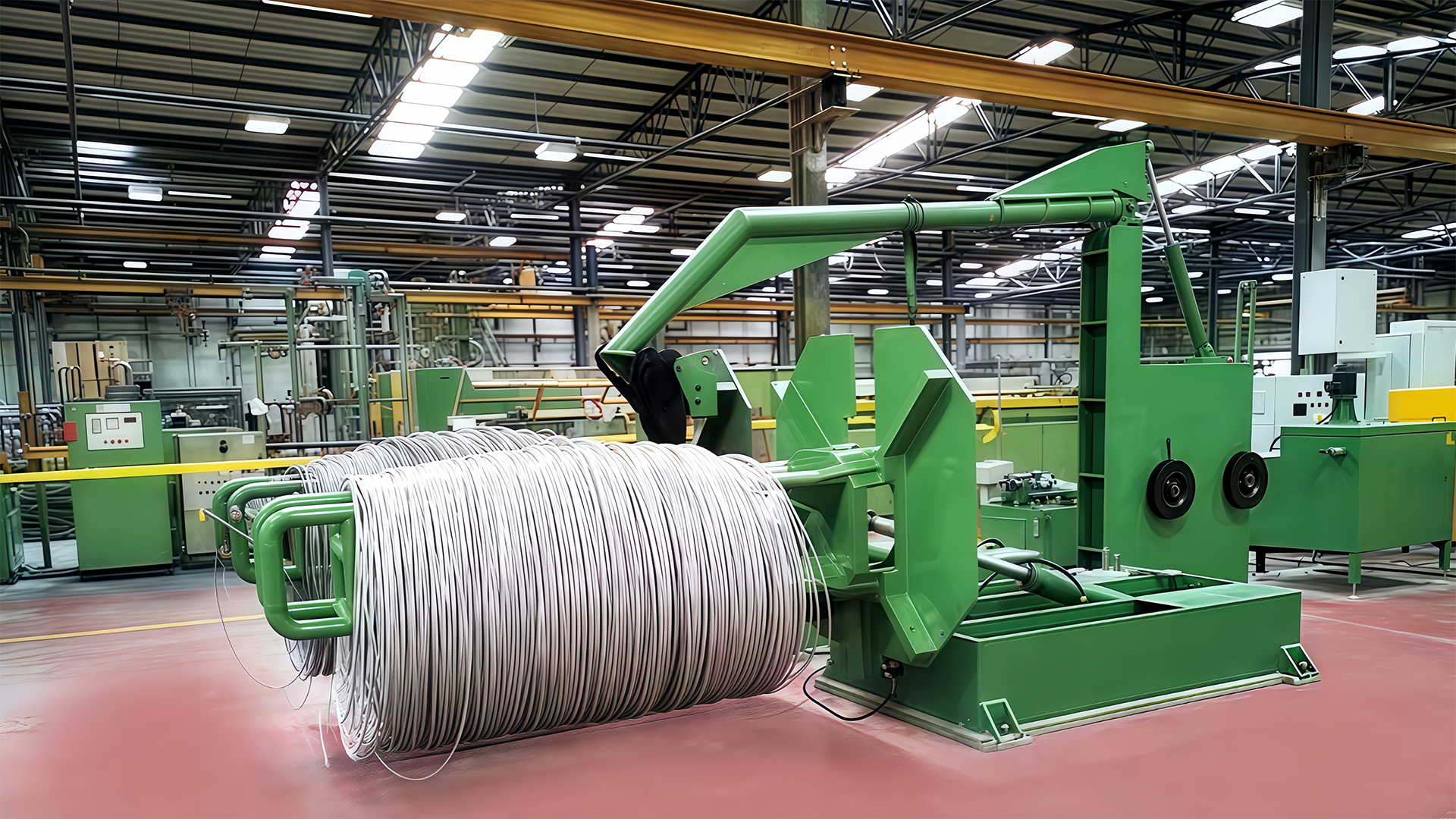
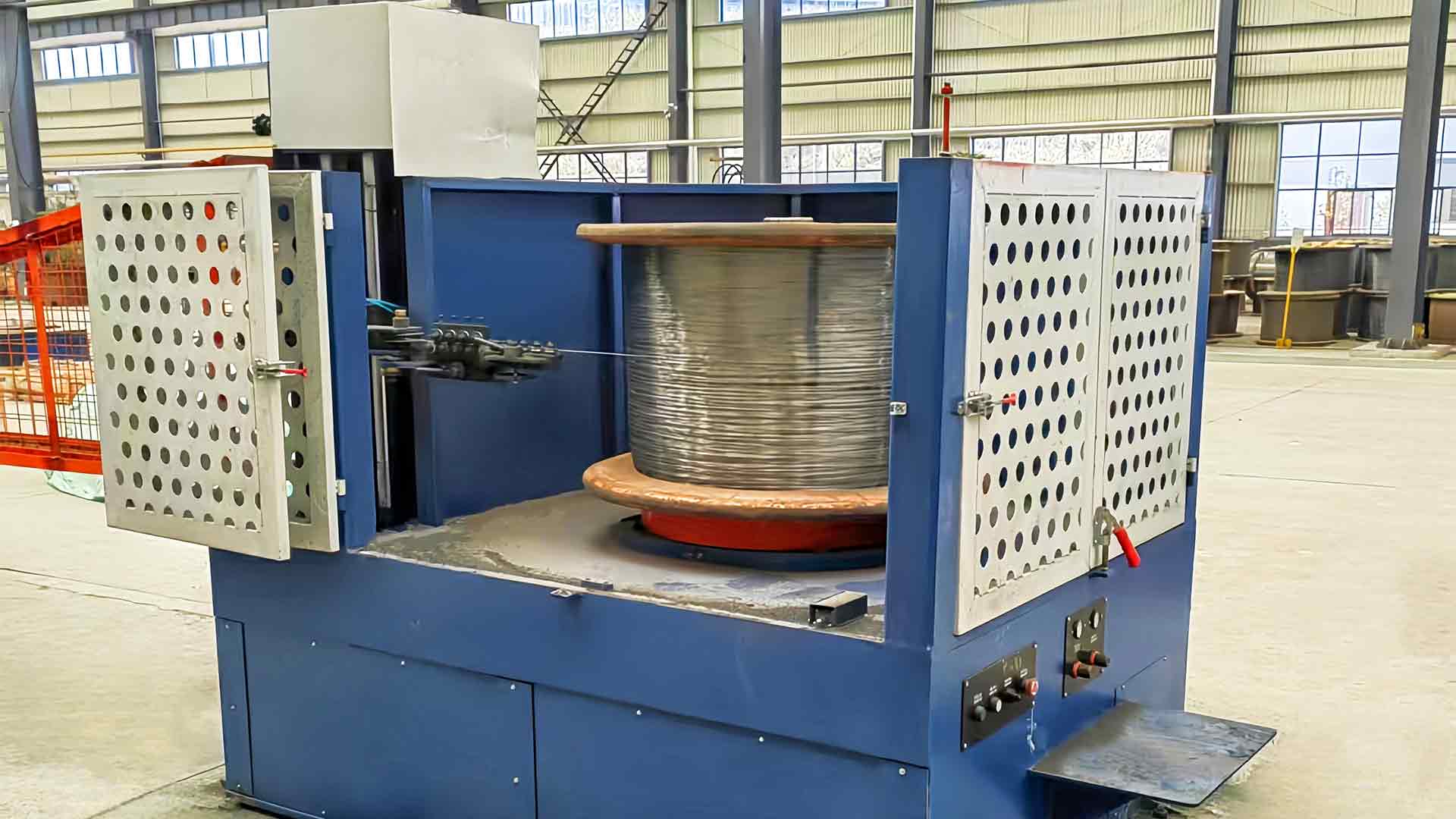
Adjustable Spool Mounting System: The Wire Pay-off Machine is designed with versatile and adjustable spool mounting mechanisms that allow operators to securely mount spools or coils of varying diameters, widths, and core sizes without requiring custom adapters. These mounting systems typically include telescoping mandrels, adjustable cradles, or spindle supports that can be expanded or contracted to fit the specific dimensions of the coil. In addition, many machines incorporate hydraulic or pneumatic assist systems that raise, lower, or position the spool onto the mandrel with minimal physical effort, reducing strain on the operator. By accommodating a wide range of spool sizes without additional tooling, the machine minimizes downtime between runs, ensures precise alignment with the pay-off axis, and allows operators to quickly switch between different spool dimensions while maintaining consistent performance.
-
Quick-Release and Locking Mechanisms: Modern Wire Pay-off Machines feature quick-release and self-locking systems that significantly reduce setup time. These mechanisms allow spools to be secured and released rapidly, often in a matter of seconds, without extensive manual bolting or adjustments. The locking system ensures that the coil remains stable during rotation, even under high-speed operation, preventing wobble, misalignment, or wire tangling. Quick-release mechanisms are especially beneficial in high-volume production environments, where multiple spool changes are required within short periods. By reducing the labor and time required to secure large or heavy coils, these features improve operational efficiency, maintain consistent wire feed quality, and allow production to continue without unnecessary interruptions.
-
Motorized or Assisted Loading Systems: To handle large or heavy spools safely and efficiently, many Wire Pay-off Machines are equipped with motorized, hydraulic, or conveyor-assisted loading systems. These systems lift and position spools accurately onto the mounting axis, eliminating the need for manual handling of heavy coils. Assisted loading not only prevents operator fatigue and reduces the risk of workplace injuries but also allows precise alignment of the spool with the pay-off axis, which is critical for preventing uneven wire feed or tension variations during operation. By automating part of the loading process, operators can focus on adjusting tension, feed speed, and other process parameters, resulting in faster setup and improved productivity.
-
Automatic Centering and Alignment Features: Many Wire Pay-off Machines incorporate automatic centering guides, side supports, or adjustable flanges that ensure large spools are aligned precisely along the pay-off axis. Proper alignment is essential to prevent wobble, uneven rotation, or tangling of wire during unwinding, particularly when dealing with heavy or high-tension coils. Automatic centering reduces the need for manual adjustments and trial-and-error positioning, streamlining the setup process. This feature not only shortens preparation time but also ensures consistent wire tension, uniform feed rates, and higher quality output, even in high-speed or continuous production environments.
-
Integrated Tension and Brake Systems: Large spools require careful tension management to prevent slack, kinking, or wire breakage during operation. The Wire Pay-off Machine integrates adjustable mechanical brakes, pneumatic brakes, or electronically controlled tension systems that automatically regulate the force applied to the unwinding spool. By compensating for variations in spool diameter, weight, and rotational speed, these systems ensure that wire is fed smoothly and evenly to downstream equipment. This minimizes the need for operator intervention during setup and allows for immediate production after the spool is mounted, saving time and labor while preventing costly wire damage or production errors.
-
Modular or Expandable Design: Many industrial Wire Pay-off Machines are designed with modular frameworks or expandable mandrel systems that can be reconfigured quickly to handle different spool widths, core diameters, and flange dimensions. This flexibility allows one machine to accommodate a wide variety of spool types without additional tooling, adapters, or modifications, reducing downtime during changeovers. Operators can adjust the mandrels, side supports, or flanges within minutes, allowing the machine to handle oversized or irregularly shaped coils efficiently. Modular design is particularly advantageous in high-mix production environments, where multiple wire types or sizes must be processed sequentially, as it reduces labor, setup complexity, and overall operational costs.