 English
 русский
 عربى
عربى

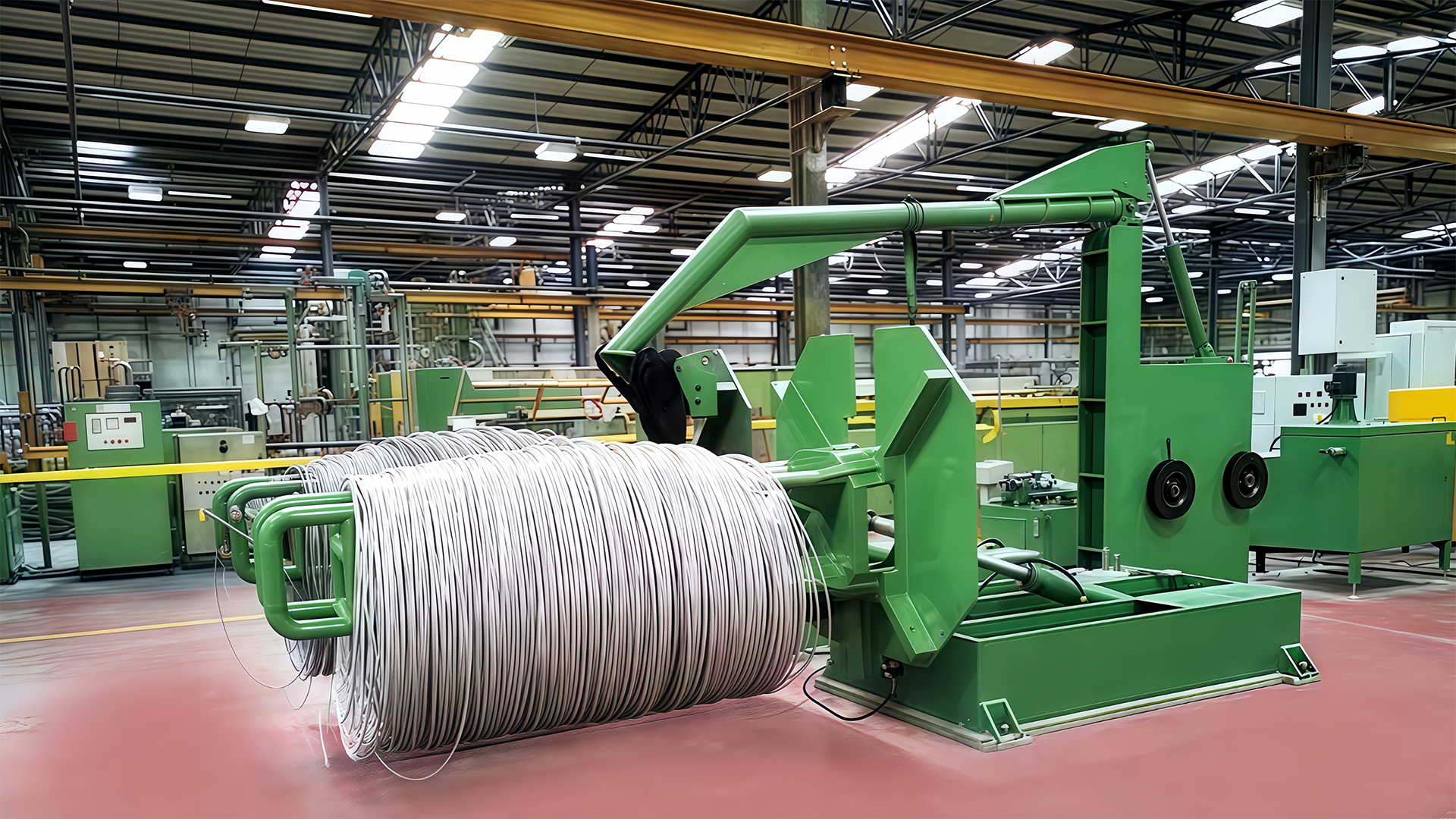
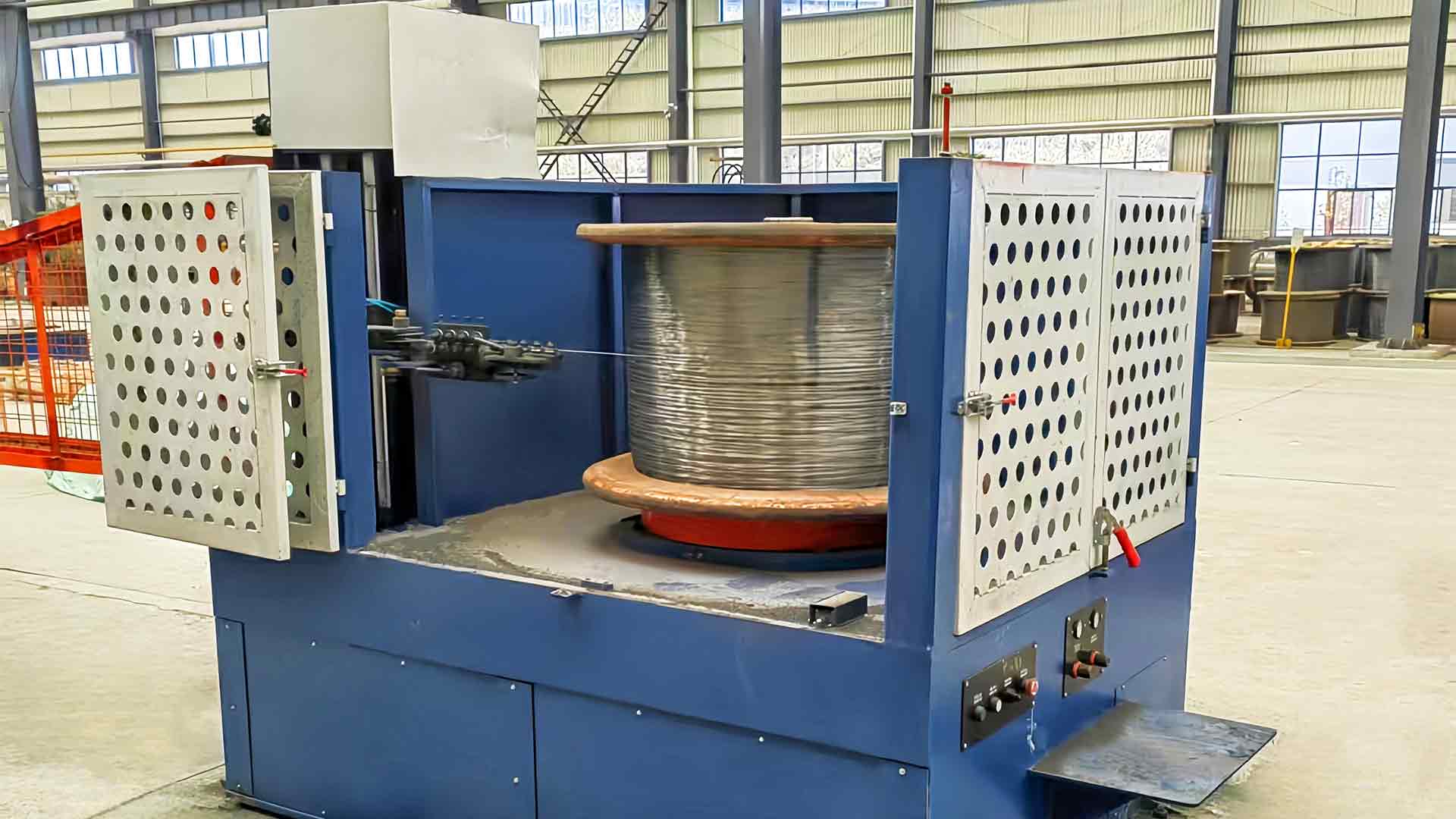
The well-engineered Wire Pay-off Machine handles brass and pure copper wire differently by dynamically adjusting tension control, dancer arm sensitivity, and braking response to compensate for each material's distinct elastic modulus. Brass wire, with an elastic modulus of approximately 97–110 GPa, is significantly stiffer than pure copper, which ranges from 110–128 GPa in modulus but exhibits far greater ductility and stretch under load. During high-speed operation — typically above 300 m/min — these differences become critical and must be actively managed to prevent wire breakage, spool tangling, or tension spikes.
Understanding how a Wire Pay-off Machine compensates for these elasticity differences is essential for wire drawing, bunching, stranding, and insulation line operators who run mixed-material production schedules.
Why Elasticity Differences Matter at High Speed
Elasticity directly determines how much a wire stretches under tension before returning to its original length. During high-speed pay-off, tension fluctuations occur every time the spool diameter decreases, the line accelerates, or the downstream machine experiences a pull variation. If the Wire Pay-off Machine's tension system is calibrated for one material and then used on another without adjustment, the results can be damaging.
For example, pure copper wire at a diameter of 0.5 mm running at 500 m/min can elongate by up to 0.3–0.5% under a moderate tension load of 5 N. Brass wire of the same diameter under the same tension elongates less — roughly 0.1–0.2% — due to its alloyed grain structure. This seemingly small difference accumulates over thousands of meters and can cause inconsistent wire lay, surface micro-cracks, or dimensional deviation in the finished product.
Material Property Comparison: Brass vs. Pure Copper Wire
| Property | Pure Copper Wire | Brass Wire (Cu-Zn) |
|---|---|---|
| Elastic Modulus | 110–128 GPa | 97–110 GPa |
| Tensile Strength | 200–250 MPa (soft) | 350–600 MPa |
| Elongation at Break | 30–45% | 10–25% |
| Density | 8.96 g/cm³ | 8.4–8.7 g/cm³ |
| Surface Hardness | Low (soft, ductile) | Medium-High |
| Pay-off Tension Sensitivity | High | Medium |
How the Wire Pay-off Machine Adjusts Tension for Each Material
Modern Wire Pay-off Machines use closed-loop tension control systems that continuously monitor wire tension via load cells or dancer arm position sensors. The machine's PLC or servo controller adjusts the braking torque in real time to maintain a preset tension setpoint. When switching between brass and copper wire, operators must reconfigure several parameters.
Dancer Arm Sensitivity
Pure copper's higher ductility means the dancer arm on the Wire Pay-off Machine must respond faster to avoid overstretching. A typical dancer arm spring tension setting for soft copper wire (0.3–1.0 mm) is set at 2–6 N, while brass wire of the same gauge can tolerate 5–12 N without surface deformation. Operators running brass wire can afford a slightly stiffer dancer setup, which reduces arm oscillation at speeds above 400 m/min.
Magnetic or Mechanical Brake Torque
Because brass wire has higher tensile strength, the Wire Pay-off Machine's braking system can apply slightly greater retarding torque without risk of wire necking or snap. For copper, brake torque must be carefully limited — especially for soft-annealed copper — since excessive back-tension can cause permanent elongation that affects final wire diameter tolerances, which are often held to ±0.005 mm in precision applications.
Acceleration and Deceleration Ramp Rates
When the Wire Pay-off Machine accelerates to full speed, the inertia of the spool combined with the wire's elastic response creates a momentary tension spike. Pure copper, being more elastic under dynamic load, absorbs some of this spike. Brass, being stiffer, transmits the tension spike directly downstream. Ramp-up times for brass wire should be 10–20% longer than for copper wire of the same spool weight to prevent tension peaks that could cause wire slippage or guide roller damage.
Wire Pay-off Machine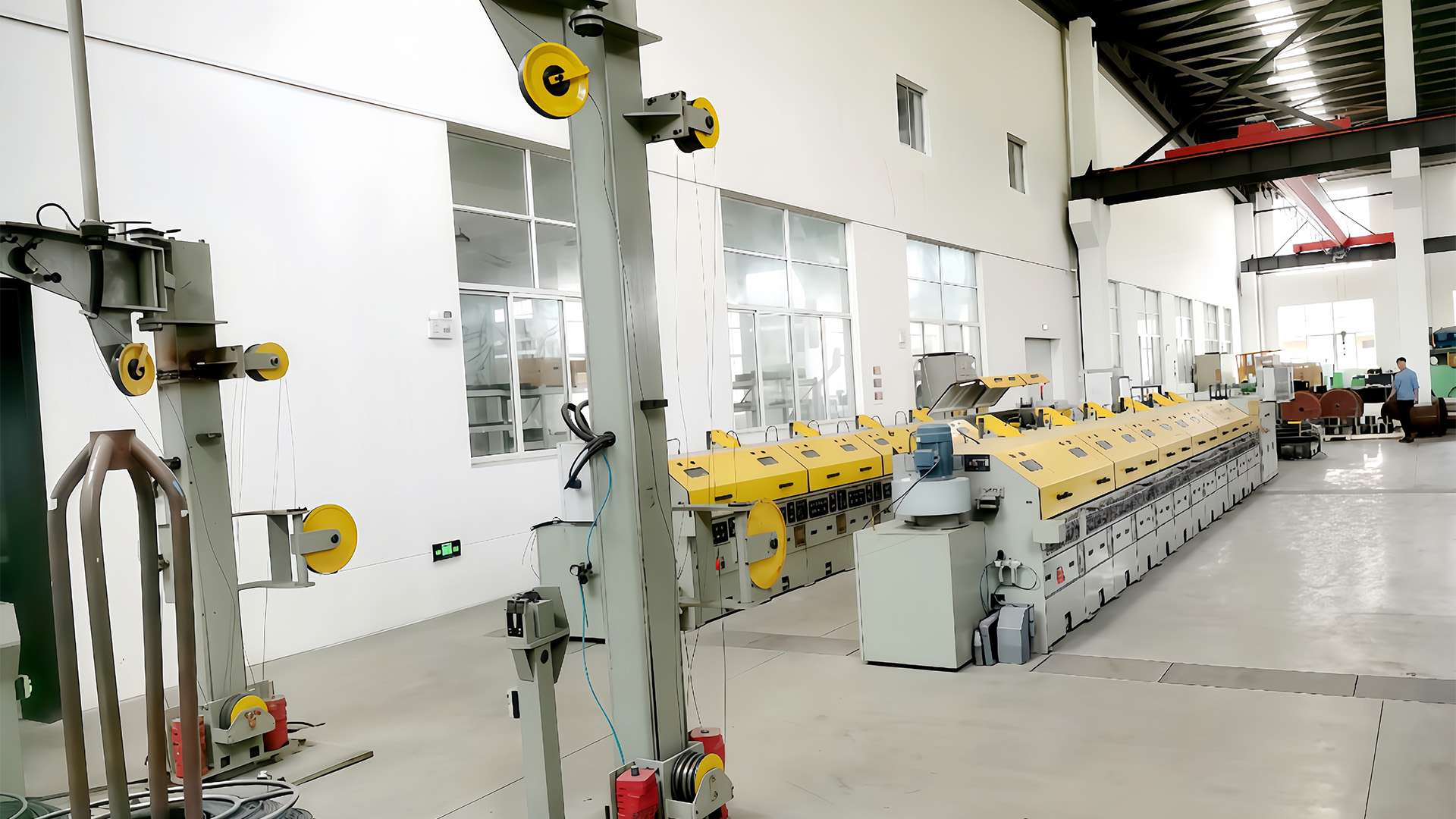
Guide Roller and Capstan Considerations for Brass vs. Copper
The guide rollers and capstans on the Wire Pay-off Machine experience different wear patterns depending on the material being processed. Brass wire, due to its zinc content and harder surface, causes more abrasive wear on ceramic or polymer guide eyelets. Pure copper, while softer, leaves residue on rollers over time due to its higher ductility and tendency to smear under contact pressure.
- For brass wire: Use tungsten carbide or hardened steel guide rollers. Inspect for grooves every 200–300 operating hours.
- For pure copper wire: Use ceramic-coated or polished chrome rollers to minimize surface pickup. Clean residue every 100–150 operating hours.
- Capstan wrap angle should be reduced by 5–10° when switching from copper to brass to avoid excessive compressive stress on the wire surface.
Recommended Wire Pay-off Machine Settings by Material
| Parameter | Pure Copper Wire | Brass Wire |
|---|---|---|
| Dancer Arm Tension | 2–6 N | 5–12 N |
| Brake Torque Setting | Low–Medium | Medium–High |
| Acceleration Ramp Time | Baseline | +10–20% longer |
| Guide Roller Material | Ceramic / Chrome | Tungsten Carbide / Steel |
| Max Recommended Speed | Up to 600 m/min | Up to 500 m/min |
| Tension Feedback Response | Fast (high sensitivity) | Medium (stable) |
Common Problems When Elasticity Differences Are Ignored
Failing to reconfigure the Wire Pay-off Machine when switching between brass and copper wire leads to predictable and costly problems on the production line. The following issues are frequently reported by operators who run both materials on the same machine without material-specific profiles:
- Wire breakage at high speed — Most common with brass wire when copper-optimized tension settings apply insufficient back-tension, causing spool overrun and wire looping.
- Surface micro-cracks on copper — Caused by excessive brake torque carried over from brass wire settings, leading to cold-work hardening during pay-off.
- Inconsistent wire diameter — Elasticity-driven tension variation causes uneven drawing force on the downstream capstan, resulting in out-of-tolerance diameters.
- Increased guide roller wear — Using copper-optimized ceramic rollers for brass wire results in premature groove formation and contamination of the wire surface.
- Spool collapse or slippage — Particularly for heavy spools above 500 kg, improper brake tuning for material elasticity causes uncontrolled spool rotation during deceleration.
Best Practices for Running Mixed-Material Schedules
Production facilities that regularly alternate between brass and pure copper wire on the same Wire Pay-off Machine should adopt a structured material changeover protocol. This minimizes downtime, reduces scrap, and protects machine components from premature wear.
- Store separate PLC parameter profiles for each material type, including tension setpoints, ramp rates, and dancer arm positions. Switching profiles should take no more than 2 minutes.
- Conduct a slow-start trial run at 20–30% of full speed after every material change to verify tension stability before ramping to production speed.
- Log tension data from the Wire Pay-off Machine's HMI for the first 500 meters of each new spool to detect drift early.
- Replace or clean guide rollers at every material changeover if both brass and copper are being processed in the same shift.
- Use a torque wrench calibration check on the magnetic particle brake every 30 days when running high-tensile brass wire to ensure brake output matches the set value.
The Wire Pay-off Machine manages the elasticity difference between brass and pure copper wire through a combination of adjustable tension control, material-specific brake torque settings, appropriate guide roller selection, and optimized acceleration profiles. Pure copper demands faster tension feedback response and lower brake torque, while brass wire requires higher tension tolerance and longer ramp-up times due to its stiffness and higher tensile strength. Operators who treat these two materials as interchangeable on the same machine settings risk wire defects, increased scrap rates, and accelerated component wear. Implementing material-specific parameter profiles on the Wire Pay-off Machine is the single most effective step toward consistent quality across both brass and copper wire production.