 English
 русский
 عربى
عربى

The multi-block Wire Drawing Machine offers significantly higher production efficiency, better wire quality consistency, and lower die wear compared to a single-block configuration. Single-block machines are simpler, more compact, and less costly initially, but they often require more frequent maintenance and produce slower output. For users focusing on high-volume copper wire drawing machine operations, multi-block systems deliver 20%–35% higher productivity and more uniform wire diameter than single-block systems.
Understanding Single-Block Wire Drawing Machines
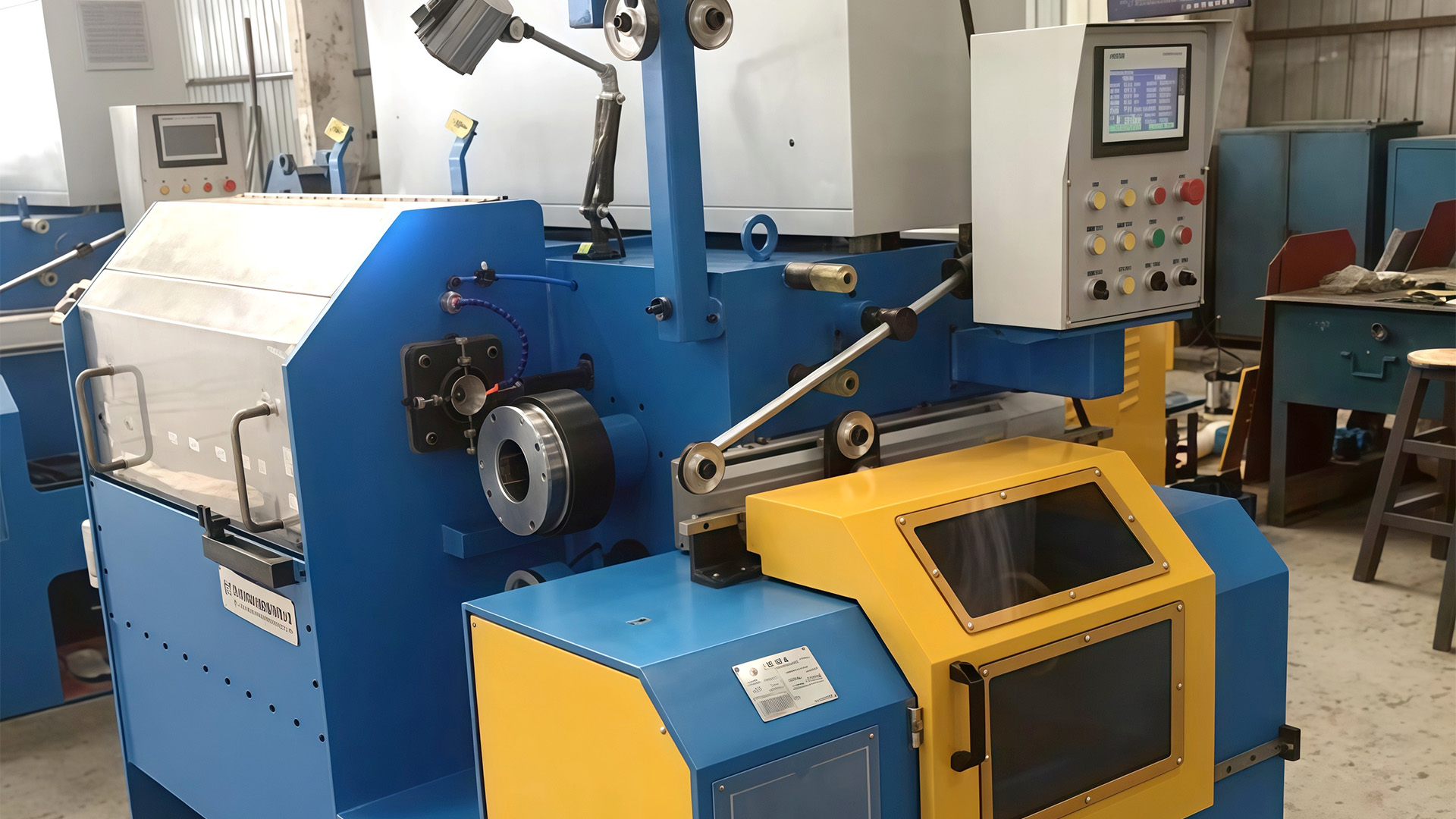
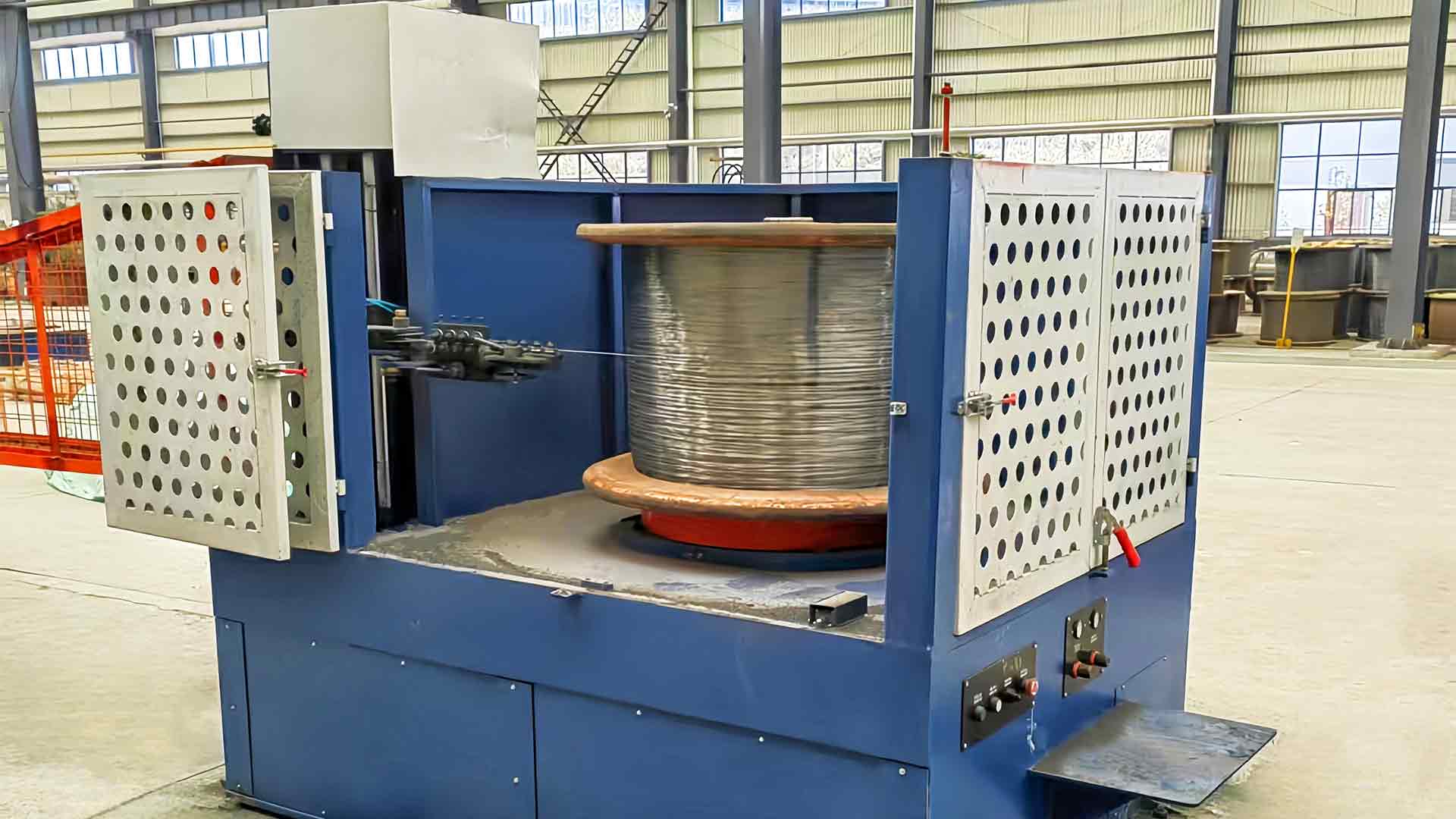
Single-block Wire Drawing Machines are designed with a single die block, meaning the wire passes through one sequence of dies in a single path. This configuration is commonly used for smaller-scale operations or when producing specialty wires with less frequent high-volume demands.
Key Advantages of Single-Block Machines
- Lower upfront cost, making it accessible for small workshops
- Simpler maintenance and fewer mechanical components
- Easier operation and reduced training requirements
Limitations of Single-Block Machines
- Lower production output, generally 15%–30% slower than multi-block systems
- More frequent die replacement due to concentrated wear
- Limited suitability for long continuous production runs
Understanding Multi-Block Wire Drawing Machines
Multi-block Wire Drawing Machines are equipped with several die blocks arranged in series, allowing wire to undergo multiple reductions in a single continuous pass. This configuration is ideal for high-volume copper wire drawing machine production, offering superior precision and operational efficiency.
Key Advantages of Multi-Block Machines
- Higher throughput with 20%–35% faster production
- More uniform wire diameter and improved surface finish
- Reduced die wear per block due to distributed tension
- Better energy efficiency in large-scale operations
Potential Challenges of Multi-Block Machines
- Higher initial investment cost
- Complex maintenance due to multiple blocks
- Requires skilled operators and monitoring systems
Performance Comparison Table
| Feature | Single-Block | Multi-Block |
|---|---|---|
| Production Speed | Moderate (15%–30% lower) | High (20%–35% faster) |
| Wire Quality Consistency | Moderate | High uniformity |
| Die Wear Distribution | Concentrated wear | Distributed across blocks |
| Maintenance Complexity | Low | Moderate to High |
| Initial Investment | Low | High |
Energy Efficiency Considerations
Energy consumption is a critical factor when selecting between single-block and multi-block Wire Drawing Machines. Multi-block systems generally achieve 10%–20% better energy efficiency per kilogram of wire produced due to distributed load and reduced idle times. Single-block machines may appear cheaper initially but can incur higher operational energy costs in continuous production scenarios.
Operational Flexibility and Wire Type Adaptation
For copper wire drawing machine applications, multi-block configurations offer superior adaptability for varying wire diameters and alloys. They can handle multiple gauge reductions without stopping production, whereas single-block machines may require manual adjustments for each wire size change, causing downtime and reducing efficiency.
Maintenance and Die Longevity
Die wear is a primary maintenance concern in wire drawing. Multi-block Wire Drawing Machines distribute stress across multiple blocks, leading to longer die life and fewer replacements. In comparison, single-block machines concentrate wear on one die block, often requiring replacement after 50,000–80,000 meters of wire, while multi-block dies can last 120,000–150,000 meters under similar operating conditions.
The choice between single-block and multi-block Wire Drawing Machines depends on production volume, wire quality requirements, and budget. Multi-block machines excel in high-volume copper wire drawing machine operations, offering better speed, uniformity, die longevity, and energy efficiency. Single-block machines remain a practical choice for smaller workshops with limited budgets or specialty wire production where flexibility and simplicity outweigh maximum throughput. Evaluating operational goals, wire types, and long-term maintenance costs will guide users toward the optimal configuration.