 English
 русский
 عربى
عربى

Craft & Precision — An Editorial on Metal
Long before a coil of wire becomes jewelry, circuitry, or thread, it passes through a quiet mechanical ritual — drawn, narrowed, and disciplined into shape. This is the story of that process, and the machines that make it possible.
The Discipline of Reduction
Wire drawing is, at its core, an act of controlled patience. A rod of gold, silver, or copper enters thick and leaves thin, pulled through a sequence of dies that shave down its diameter by fractions of a millimeter at a time. There is no shortcut in this process — only rhythm, tension, and the right machine for the right metal.
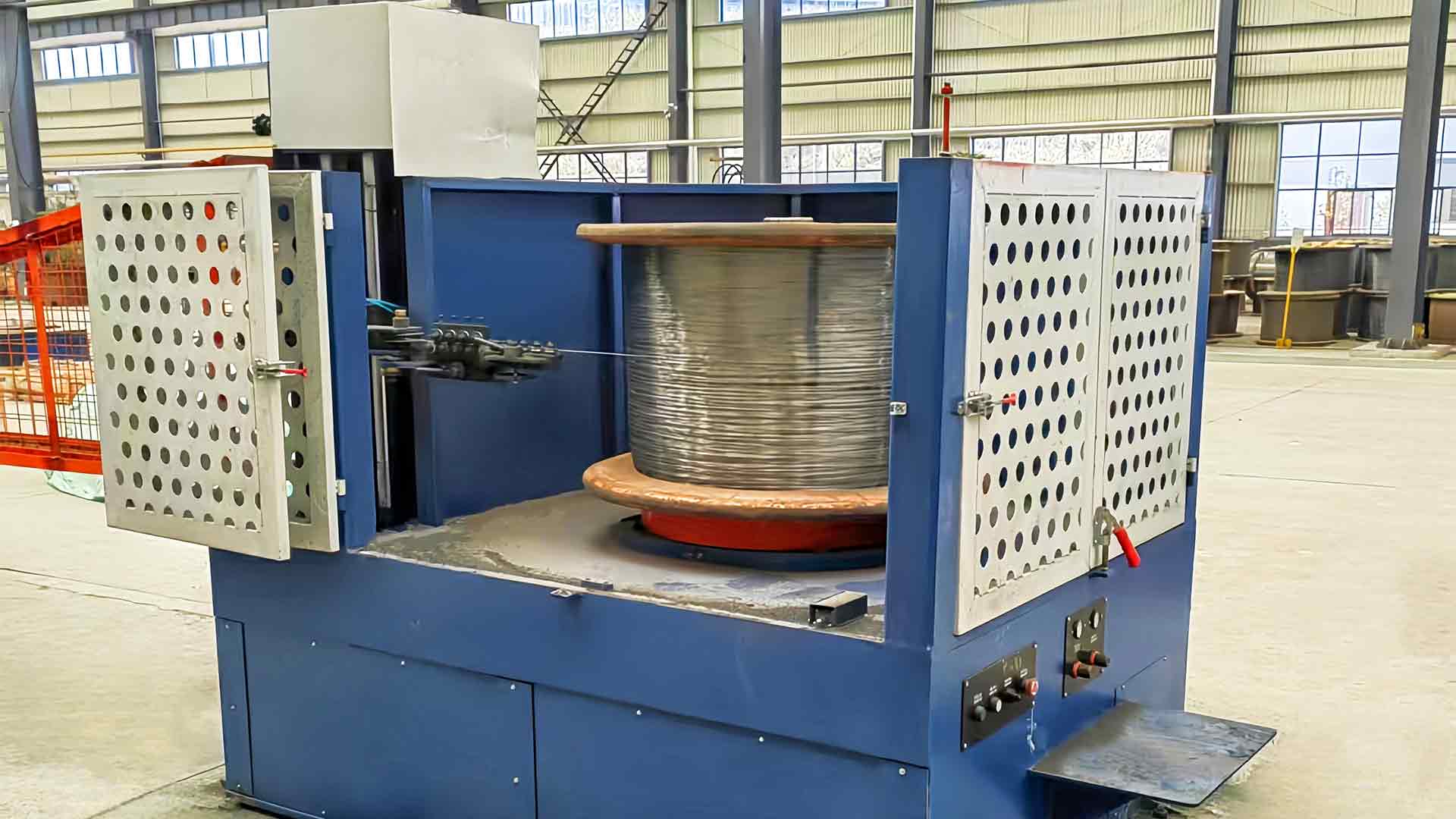
For drawing gold, silver, and other precious metal wire, a cone-type wire drawing machine is generally the more suitable choice over a straight-line wire drawing machine. This is mainly because cone-type machines apply more controlled, gradual tension across multiple dies, which reduces the risk of wire breakage on soft, expensive metals where even a single snapped wire can mean a significant financial loss. Straight-line machines, by contrast, are built for higher-speed, higher-tension production and are better matched to copper and other base metals where the raw material cost per meter is much lower.
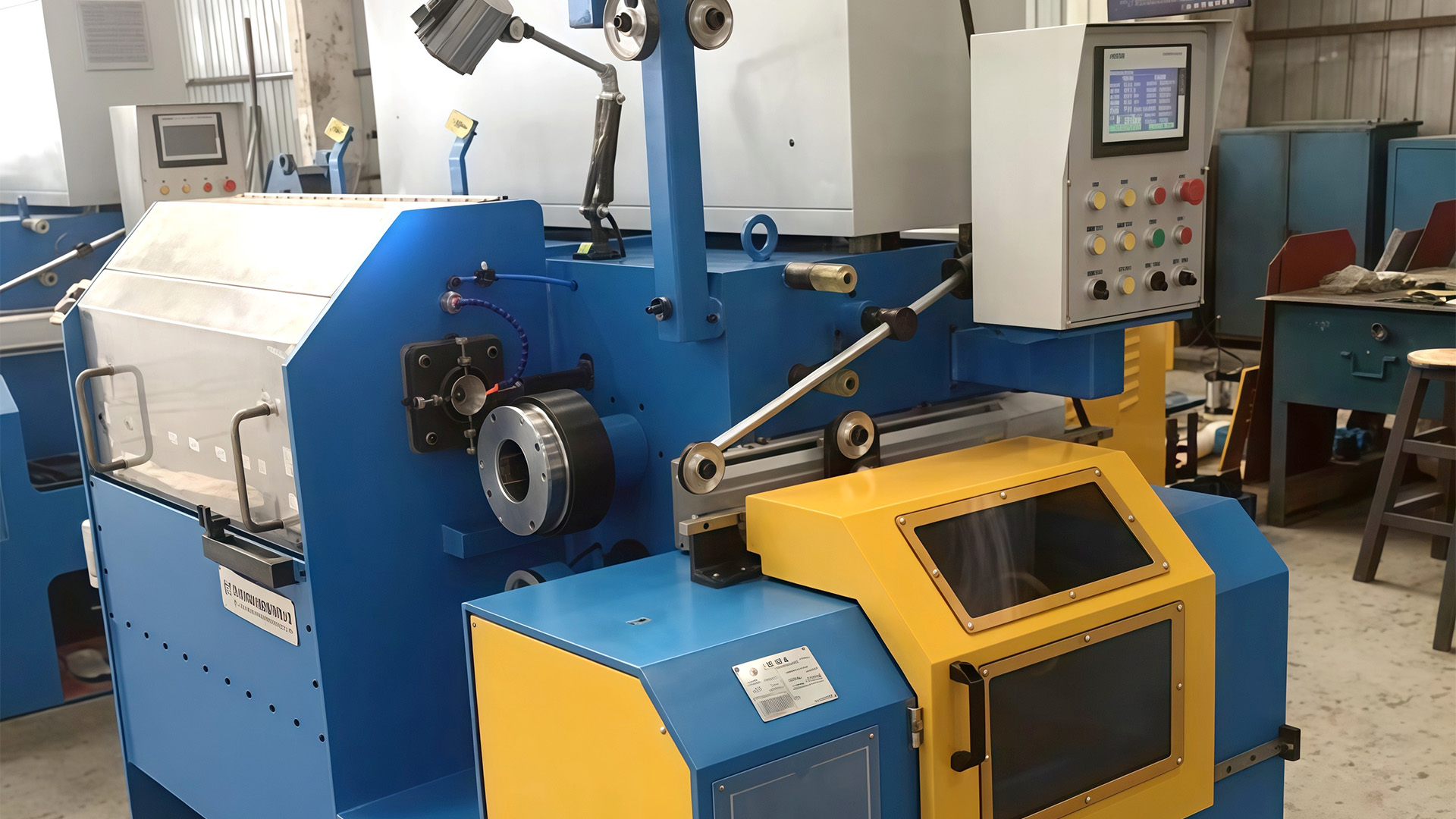
wire drawing machine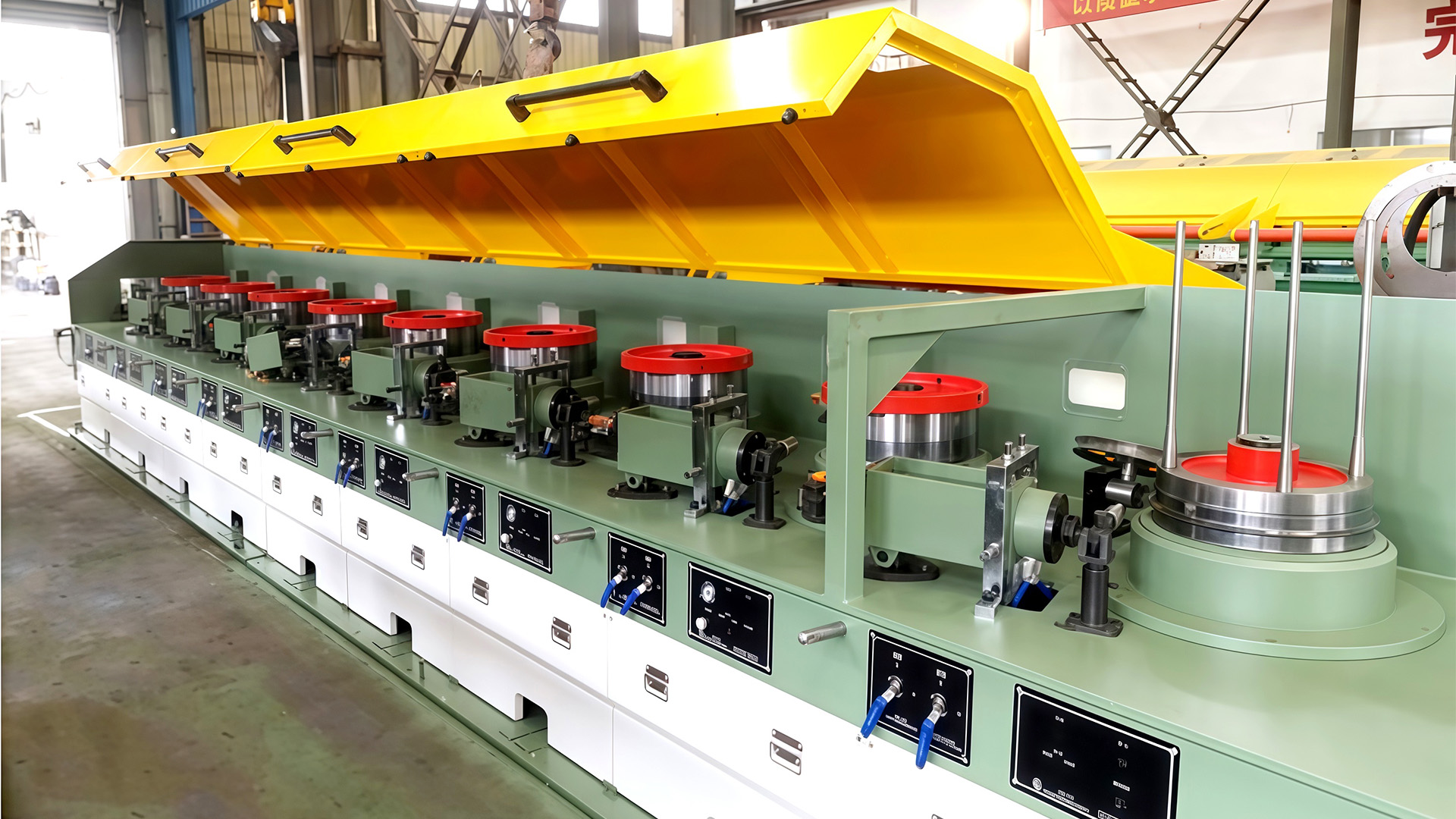
That said, the "better" choice depends on wire diameter, production volume, and budget. Below, we break down the mechanical differences, performance data, and decision factors so you can match the right machine type to your specific precious metal drawing application.
What separates a workshop that produces flawless 0.05mm gold filament from one that fights constant breakage is rarely the operator's skill alone. It is the mechanical philosophy behind the equipment itself — how tension is distributed, how speed is paced, and how forgiving the system is toward a metal that cannot afford to be treated carelessly.
Two Philosophies, One Purpose
Across the industry, two dominant mechanical philosophies persist. The cone-type machine distributes force gradually, wrapping wire across cascading capstans to soften the shock of reduction. The straight-line machine takes the opposite approach — direct, fast, efficient — built for volume rather than delicacy.
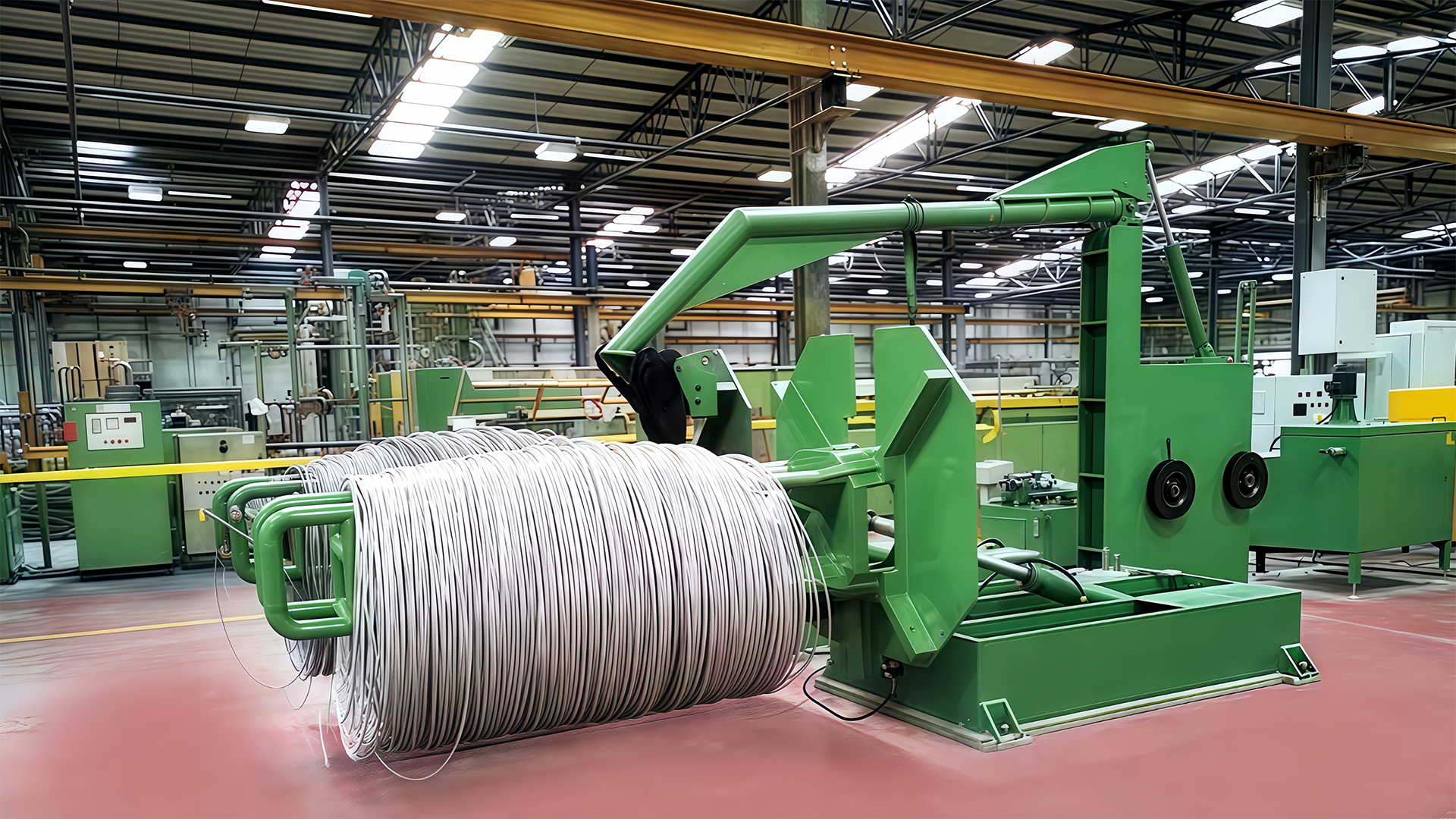
A straight-line machine pulls wire through a sequence of dies in a single, direct path, with each capstan running at a fixed incremental speed to accommodate wire elongation. This setup is optimized for continuous, high-speed production and works extremely well for a copper wire drawing machine application, where the metal is more ductile, less expensive, and tolerant of higher mechanical stress.
Neither is superior in absolute terms. Each was designed to answer a different question: how much wire do you need, and how much can you afford to lose along the way?
Reading the Numbers
Numbers rarely lie, and in wire drawing, they tell a clear story about where each machine belongs.
| Consideration | Cone-Type | Straight-Line |
| Tension Behavior | Gradual, distributed | Direct, higher per stage |
| Ideal Diameter Range | 0.02mm – 0.5mm | 0.3mm – 5mm |
| Breakage Tendency | Low | Elevated on soft metals |
| Production Pace | Measured | Fast |
A single snapped thread of gold is not just a delay — it is material that must be reclaimed, remelted, and drawn again. Precision is not an aesthetic preference here. It is an economic one.
What Precious Metal Demands
Gold and silver do not behave like copper. They are softer, more forgiving to the touch, yet far less forgiving of sudden stress. This paradox defines everything about how they must be drawn.
- Fine gold wire under 0.1mm can fracture under abrupt tension shifts common to high-speed systems.
- Silver work-hardens quickly, often requiring gentler, more frequent intermediate passes.
- Material loss is rarely fully recoverable — every broken strand carries a real cost.
Note
Many facilities run a hybrid line — straight-line machines for coarse reduction, cone-type systems for the delicate final passes. The two philosophies are not always rivals; often, they are collaborators.
Caution
Selecting a straight-line machine purely for its speed, without accounting for wire gauge and metal ductility, is one of the most common and costly missteps in precious metal production.
Best Practice
Bring exact diameter targets, metal purity, and daily volume figures to any conversation with an equipment supplier. Precision in specification leads to precision in output.
Risk
Running unannealed silver through repeated high-tension passes accelerates brittleness — a quiet failure that often surfaces only after the wire has already left the line.
Closing Thought
There is no universal answer to which machine is "better." There is only the question of what the wire is, what it must become, and how much room for error the process can bear. Gold and silver ask for patience; copper, more often, asks for pace. Understanding that difference — and choosing equipment that honors it — is where craftsmanship quietly begins.