 English
 русский
 عربى
عربى

Stainless Steel Wire Drawing · Application Guide
Where Stainless Steel Wire Drawing Machines Earn Their Place
Medical guide wires, automotive valve springs, architectural mesh, corrosion-resistant fasteners — every application makes different demands on surface, strength, and consistency. This guide looks at those demands and what they mean for machine selection.
A European fastener manufacturer recently traced a batch of rejected self-tapping screws to a 0.02 mm variation in the diameter of the stainless steel wire entering its heading line. In the same month, a medical device maker stopped guide-wire production because micro-scratches on the wire were carrying contaminants into the final product. Different industries, different failure modes — but the same root cause: the wire had been drawn on equipment that was not matched to the application.
Stainless steel wire drawing machines are rarely bought as generic machines. They are chosen when the production team understands that final diameter, surface integrity, and mechanical strength are all locked in during the drawing pass. Understanding the application is therefore the first step to selecting the right machine configuration, die package, lubrication method, and take-up strategy.
What a Stainless Steel Wire Drawing Machine Determines
Stainless steel wire enters the line as hot-rolled rod, commonly 5.5 mm and above, and exits as a wire reduced in diameter by a series of cold drawing passes. Each pass pulls the material through a tungsten carbide or diamond die, rearranging the grain structure and raising tensile strength. For austenitic grades such as 304 and 316, that strain-hardening is often the entire purpose of drawing: springs, fasteners, and structural cables rely on it to perform within their rated loads. The full mechanics of the process are explained in our note on how a wire drawing machine works.
Beyond strength, the machine controls four outputs that decide whether the wire suits its application: surface finish, which affects corrosion resistance and cleanability; dimensional consistency along the entire coil; die life and lubrication behaviour, which set operating cost; and the straightness or cast that determines how smoothly the wire feeds into forming machines.
Machine architecture shapes these outputs. Water-tank machines run the wire submerged in lubricant and suit stainless steel's tendency to gall and work-harden quickly. Dry straight-line machines favour high-throughput production of larger diameters. Inverted machines handle heavy coils and excel at rod breakdown.
A wire only reveals its process history when it fails in the field. By then, the drawing machine has already started on the next coil.
The Main Application Fields at a Glance
The same machine may be expected to produce a spring that endures 200,000 cycles, a guide wire with a mirror-like finish, and a construction tie wire made to stand decades of chlorides. The table below summarises how different industries prioritise these properties.
| Application area | Typical stainless wire products | Most demanding property |
|---|---|---|
| Medical & pharmaceutical | Guide wires, needles, orthodontic archwires | Surface microfinish, dimensional precision |
| Automotive | Valve springs, injection components, safety-restraint parts | Fatigue resistance, tensile uniformity |
| Construction & architecture | Cable, mesh, tie wire, railing strand | Corrosion resistance, consistent cast |
| Fasteners & hardware | Self-tapping screws, bolts, rivets | Diameter tolerance, lubricant carryover |
| Aerospace | Control cables, actuation springs | Strength-to-weight ratio, traceability |
| Food & processing | Conveyor mesh, filter media, weighing springs | Cleanability, corrosion stability |
Medical wire sits at the demanding end of the spectrum. Guide wires and needles tolerate almost no surface defects, because a scratch on the wire becomes a stress raiser and a contamination site. Wet drawing with polished dies and filtered lubricant is the norm in this segment.
Automotive and fastener work sits between the extremes. Volumes are high, and the enemy is inconsistency, not absolute finish: a small diameter variation in incoming wire can multiply into double-digit scrap rates in a high-speed header. Buyers often choose a machine for its ability to hold a narrow tolerance band across an entire production run.
Matching the Machine Type to Your Application
Different applications call for different machine architectures, and the dividing lines are fairly stable in practice.
Straight-line machines pull the wire through a sequence of progressively smaller dies, capstan by capstan. They are efficient for medium and large diameters where the surface requirement is not extreme. Integrated models, with matched take-up and control systems, are common for mesh, low-carbon, and general-purpose production.
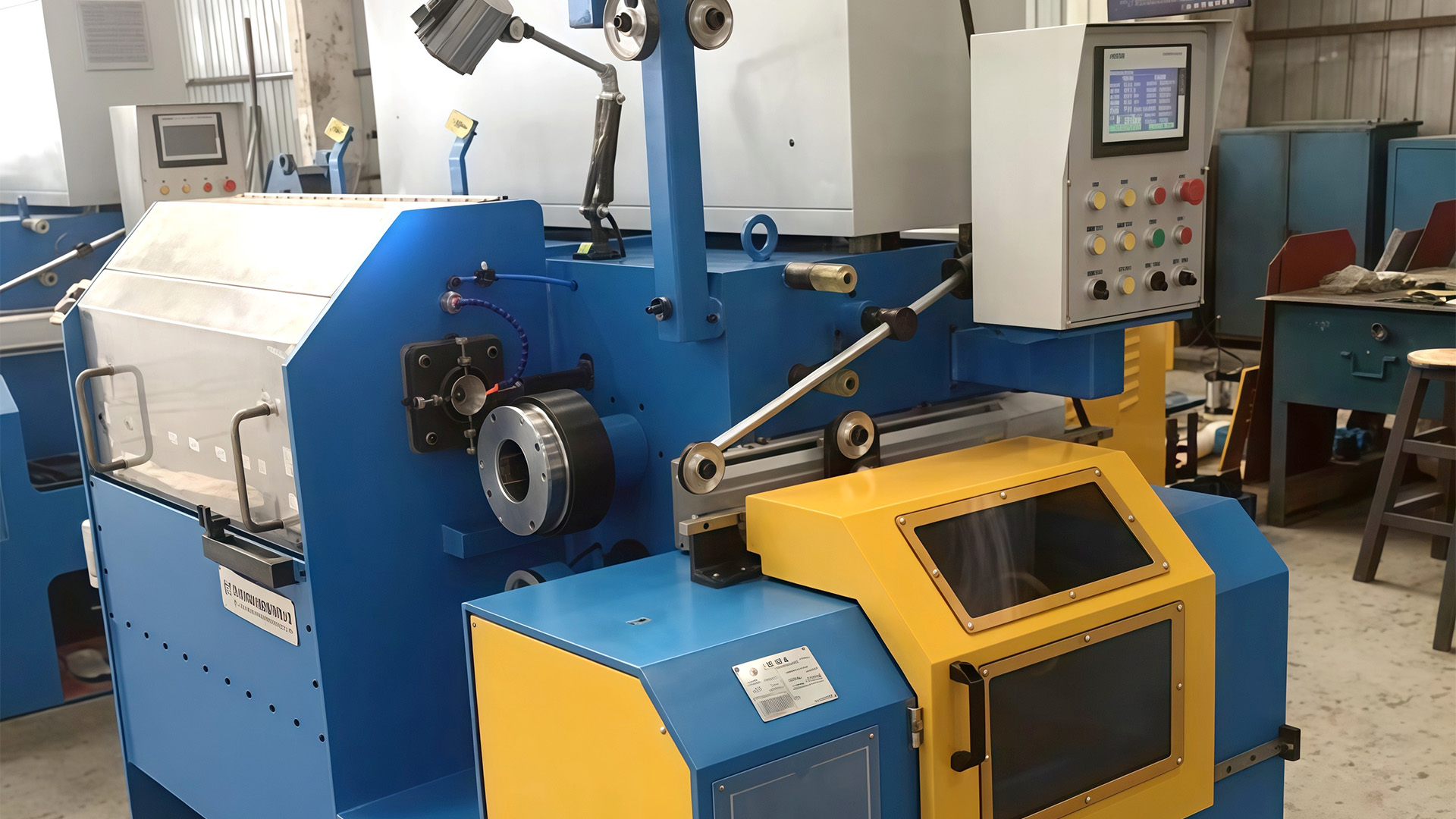
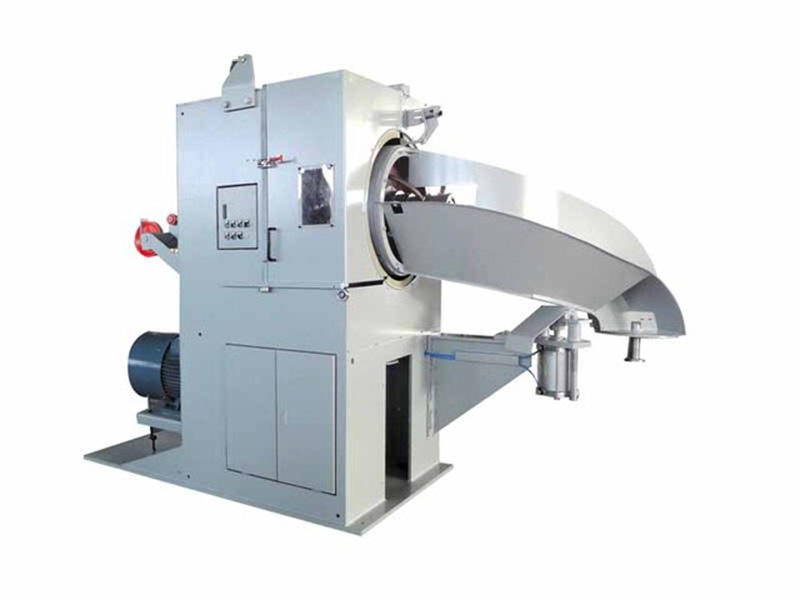 Integrated Direct Wire Drawing Machine for Multi-Metal ProcessingThis machine combines pay-off, drawing, lubrication, and take-up in one platform, reducing manual steps and downtime. It suits mesh, fencing, and cable production where consistent diameter and surface finish matter.View Product →
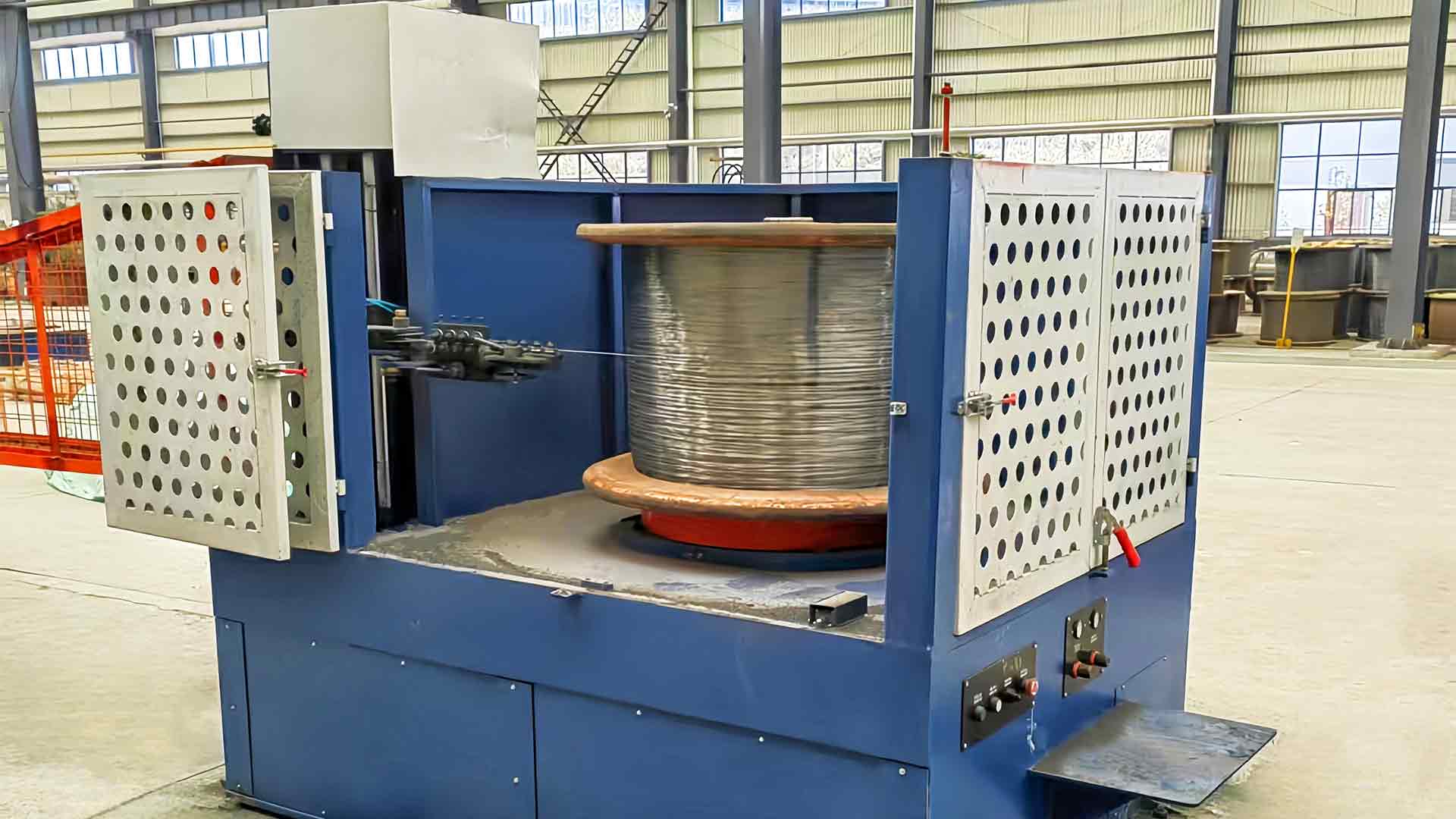
Water-tank machines guide the wire through submerged die boxes, protecting surface quality and preventing the galling that stainless steel develops at higher speeds. For fine and medium stainless wires — the range behind medical, spring, and fastener lines — wet drawing is the safer default. The CL19-1250 stainless steel water tank drawing machine is built on exactly this principle.
CL19-1250 Stainless Steel Water Tank Drawing MachineDesigned for wet drawing of fine and medium stainless wires, this machine uses a submerged tank to cool and lubricate the wire, preventing galling and ensuring a smooth surface for medical, spring, and fastener applications.View Product →
Inverted machines place the capstan above the coil, which suits large coils and rod breakdown. Pulley and single-block machines cover lower-volume production where flexibility matters more than speed. Each family follows a distinct process logic; the complete range of wire drawing machines is organised around the same distinctions, so configurations can be compared without mixing architectures.
The Line Around the Machine Decides Real Output
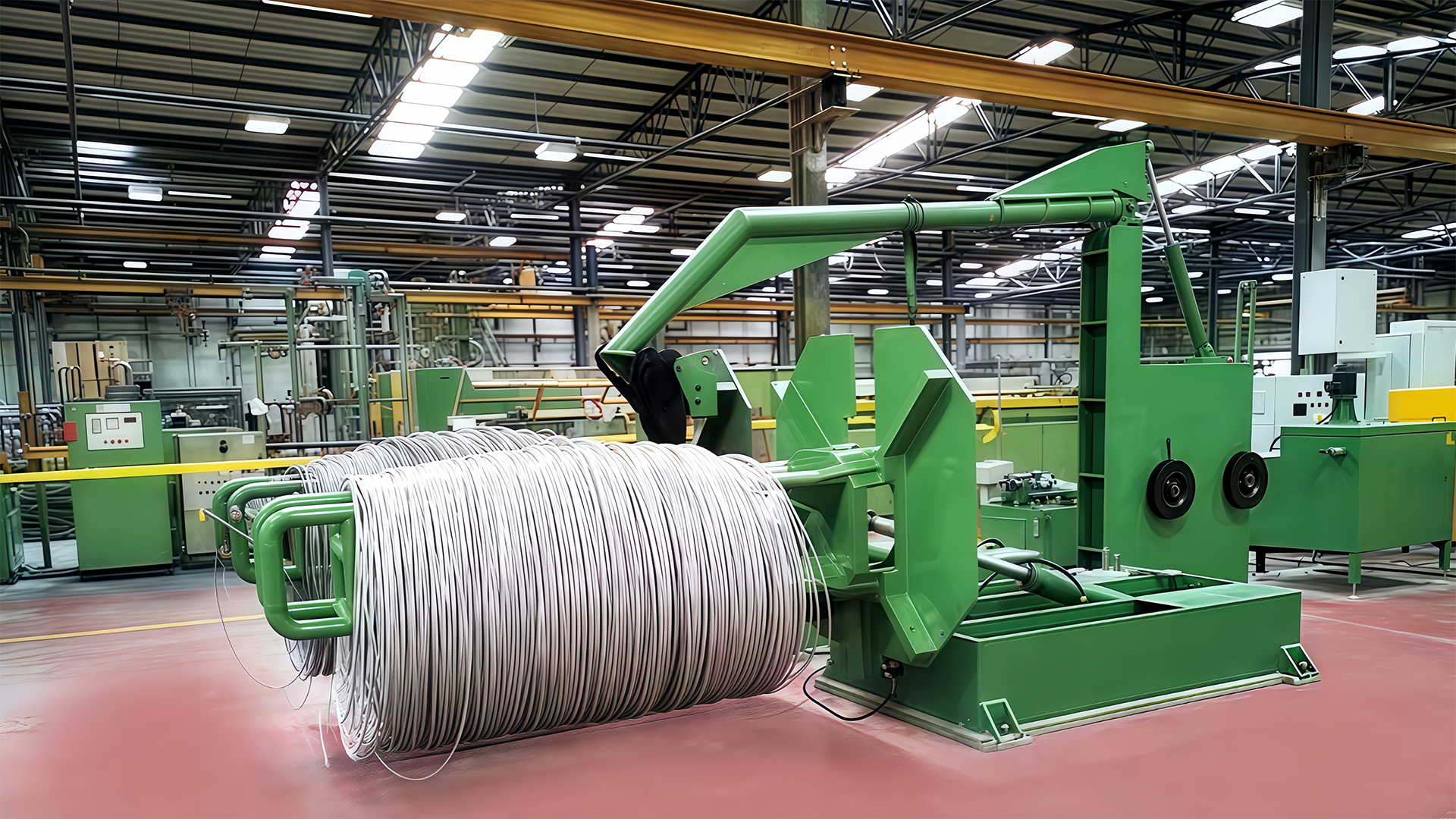
A drawing machine never works alone. The payoff rack feeds the coil under controlled tension, the pointing machine creates the entry profile that catches in the first die, and the take-up unit decides whether the finished wire reaches the next process as a spool, coil, or drum. A payoff that adds tension variation shows up as diameter chatter at the final die; a take-up that lays the wire poorly creates tangles at the customer's forming operation.
The die and the lubricant determine how much reduction is possible in one pass and how long the consumable lasts. Tungsten carbide dies remain the standard for stainless drawing because they hold their profile under heat and abrasion and fail predictably rather than suddenly. Since stainless wire places this much importance on the die, treating consumables as an afterthought is a reliable way to raise cost per ton.
Tungsten Carbide Wire Drawing Dies for Stainless WireThese precision dies maintain their profile under heat and abrasion, making them a reliable choice for stainless drawing. Their predictable wear helps control consumable costs and ensures consistent wire dimensions.View Product →
Take-up selection deserves equal attention. Spool take-ups suit fine wire that will be payed out at speed in downstream operations; coil take-ups suit heavier diameters that move on as bundles. If the take-up cannot match the drawing speed, the line's effective output is whatever the take-up can absorb, not what the capstan can deliver.
Practical Checks Before You Commit
The applications above translate into a handful of checks that apply to most purchases. Work through these before comparing quotes.
- Confirm the material grades you will actually draw — 304, 316, 430, and duplex grades behave differently under cold working, and the reduction schedule and lubrication system must match the most demanding grade in your mix.
- State your inlet rod diameter and finished wire range. The number of drafts, capstan sizes, and operating speeds all flow from this spread.
- Define the tolerance your downstream process can accept. If a heading line requires ±0.02 mm, a machine that holds ±0.05 mm is not a bargain at any price.
- Check that the payoff and take-up are matched to the drawing speed and coil weight, so the line runs as one system rather than as a collection of compatible-looking parts.
- Ask about after-sales support in your region: spare die holders, capstan shells, and control parts, plus an engineer who can commission the line and train your operators.
Certifications also carry weight, especially when you export. ISO 9001 quality management and CE marking indicate that documented procedures and safety compliance already exist, which shortens commissioning and reduces the risk of surprises during acceptance testing.
No Universal Machine — Only the Right Fit
A stainless steel wire drawing machine is judged by a single outcome: whether the wire it produces keeps the customer's process running. A spring maker, a guide-wire plant, and a fastener factory will read the same catalogue and choose differently, because their applications read different requirements into the same steel.
Begin with the application. Define the material, the finished diameter, the tolerance, and the surface the end product requires. From there, the machine architecture, line layout, and supporting equipment reveal themselves. The right machine is rarely the most expensive or the fastest; it is the one whose limits sit exactly around the application's needs.