 English
 русский
 عربى
عربى

Precision Engineering and Balanced Moving Components
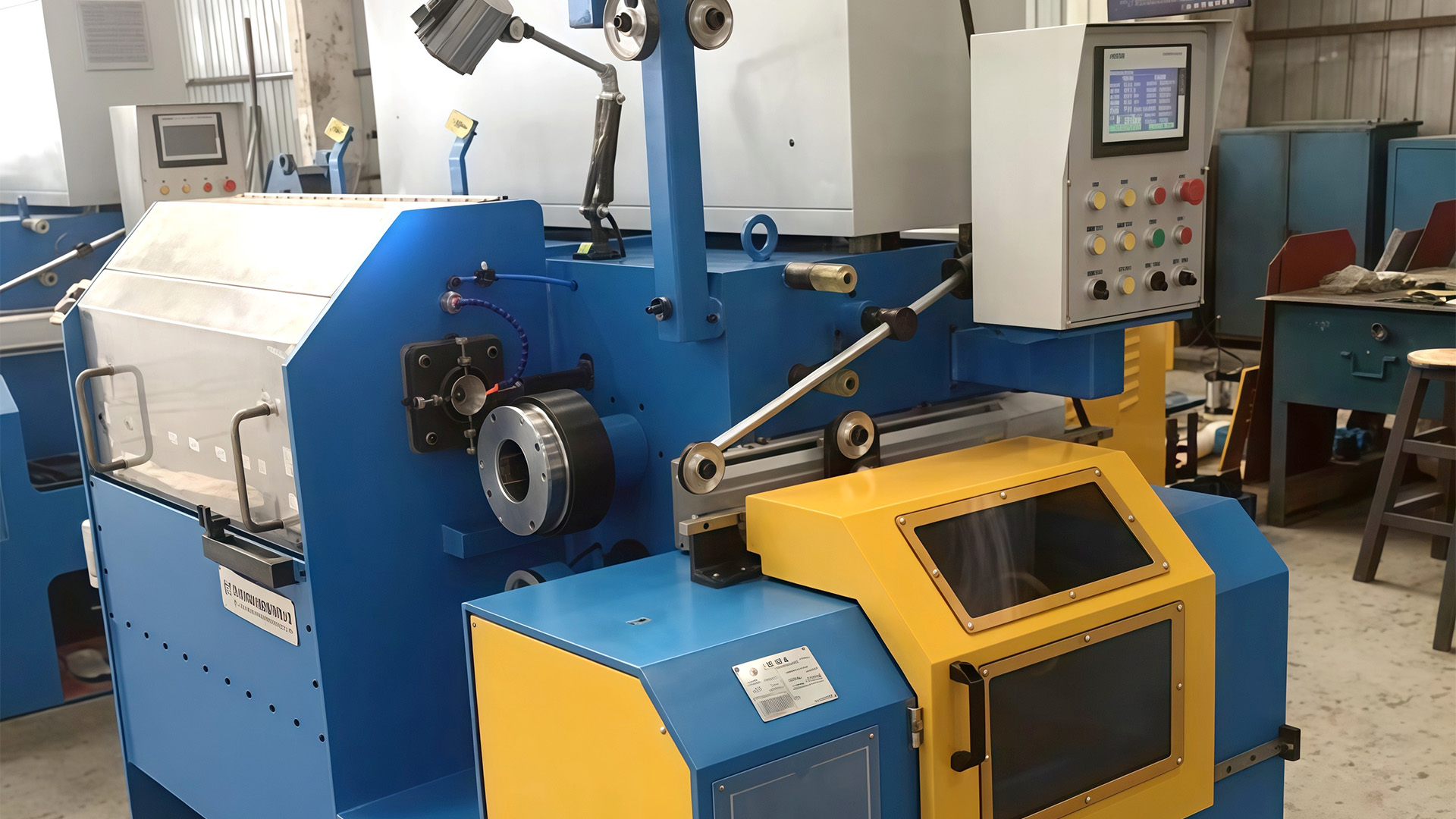
The Nail Making Machine’s ability to operate with minimal vibration begins with the precision engineering of all moving parts. Components such as wire feeding rollers, cutting dies, forming hammers, and heading tools are manufactured with tight tolerances to ensure smooth, repeatable motion. Rotating and reciprocating elements are carefully balanced to distribute forces evenly, preventing oscillations that could generate mechanical vibrations. Precision-engineered camshafts and linkage systems reduce the risk of uneven acceleration or deceleration, ensuring that high-speed operations—such as rapid nail cutting and heading—do not induce shaking or erratic motion. Balanced motion not only reduces vibration but also contributes to consistent nail quality and extended tool life.
Rigid Frame Construction and Vibration-Dampening Design
The structural frame of a Nail Making Machine plays a critical role in stabilizing high-speed operations. Frames are typically made from heavy-duty cast iron, reinforced steel, or other high-strength alloys that can absorb and distribute dynamic loads effectively. Some machines integrate vibration-dampening mounts, pads, or isolation systems at key points, particularly at the base or near moving assemblies, to prevent oscillations from propagating into the floor or surrounding environment. This combination of rigid structural support and damping materials minimizes mechanical resonance, reduces operational noise, and improves overall machine stability, which is essential for both operator safety and consistent production output.
Optimized Gear and Transmission Systems
High-speed nail production relies on accurately synchronized drive systems, including gears, belts, and chain drives. Misalignment or backlash in these systems can generate vibration, mechanical wear, and noise. Manufacturers mitigate these issues by using high-precision gears, such as helical or spur gears with minimal backlash, and ensuring precise alignment of shafts and pulleys. Lubrication systems maintain smooth gear meshing, preventing friction-induced vibrations. Optimized transmission design ensures that the drive system delivers consistent motion to all moving parts, allowing the machine to maintain high production rates while reducing the generation of mechanical noise and vibration.
Advanced Lubrication and Cooling Systems
Adequate lubrication is essential for reducing friction, heat, and mechanical noise in a Nail Making Machine. Centralized lubrication systems, oil reservoirs, and strategically placed grease points ensure that bearings, cams, and other moving parts operate smoothly under high-speed conditions. Some machines incorporate cooling mechanisms, such as air or oil cooling, to prevent thermal expansion of critical components, which could lead to misalignment, vibration, or noise. Maintaining optimal lubrication and temperature conditions allows the machine to operate quietly and efficiently, even during prolonged continuous production cycles.
Precision Alignment of Cutting and Forming Mechanisms
The processes of cutting, straightening, and heading generate significant dynamic forces. Misaligned dies, hammers, or guides can produce uneven impacts, creating vibration and noise while potentially damaging components. Nail Making Machines are designed with adjustable guides, precision fixtures, and calibration systems that maintain exact alignment of these critical components. Proper alignment ensures that forces are transmitted evenly through the structure, minimizing mechanical oscillation and allowing smooth nail formation. This precision not only reduces vibration but also ensures uniform nail quality, reducing scrap and enhancing production efficiency.
Noise-Reducing Materials and Protective Housing
Many Nail Making Machines include noise-reducing housings or enclosures around high-impact components, such as cutting and heading sections. High-density composites, vibration-absorbing panels, or rubberized mounts reduce the transmission of airborne noise and dampen mechanical resonance. These housings protect operators from high decibel levels while maintaining easy access for maintenance and adjustments. By isolating and containing noise sources, the machine can operate at full capacity with significantly reduced sound levels, improving workplace safety and comfort.
Dynamic Testing and Component Balancing During Manufacturing
To ensure minimal vibration and noise, manufacturers perform dynamic testing and balancing of rotating and reciprocating assemblies during production. Shafts, cams, and hammer assemblies are tested under simulated operational conditions to detect sources of imbalance or resonance. Adjustments such as trimming, balancing, or re-aligning components are performed prior to final assembly. This process guarantees that the assembled Nail Making Machine performs consistently, even at high-speed production, with minimal vibration or noise. It also extends the operational lifespan of critical components by reducing mechanical stress.
Regular Maintenance for Sustained Quiet Operation
Even a well-designed Nail Making Machine requires ongoing maintenance to preserve low vibration and noise levels. Regular inspections, lubrication, tightening of bolts, and replacement of worn components prevent the gradual development of mechanical play, imbalance, or friction that could lead to vibration or excessive noise. Proper maintenance practices ensure that the precision engineering of the machine remains effective over its operational life, supporting reliable high-speed production, consistent nail quality, and a safer, quieter working environment.