 English
 русский
 عربى
عربى

Tension Sensors and Load Cells
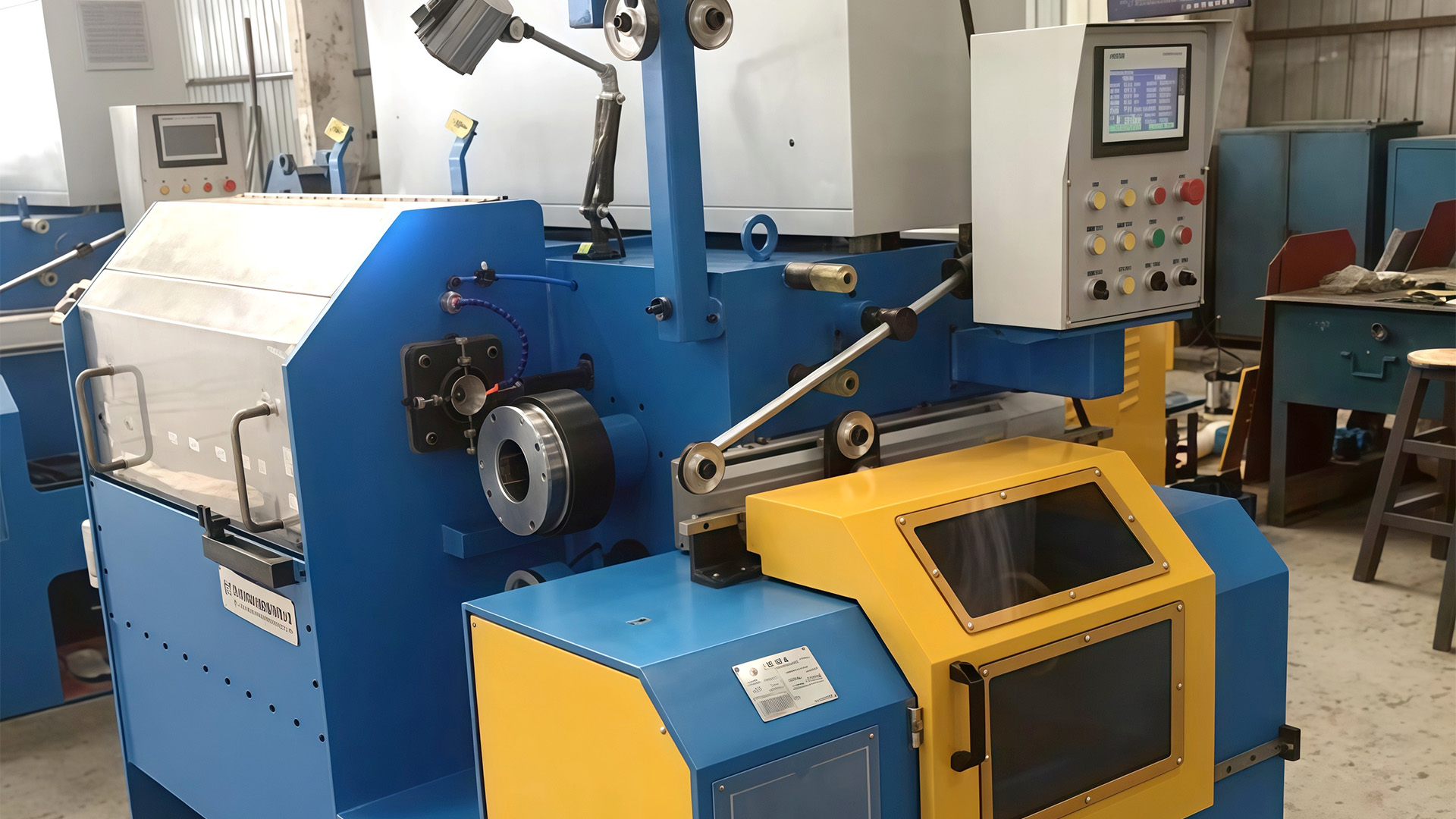
The Pulley Wire Drawing Machine relies on tension sensors or load cells to continuously monitor the tension of the wire throughout the drawing process. These sensors are typically installed along the wire’s path, particularly at key stages where tension is most critical, such as before or after the die box. As the wire is drawn, the tension sensors track any changes in tension caused by fluctuations in drawing force, wire material properties, or external conditions. If a sensor detects a deviation from the preset tension parameters, the machine's control system adjusts automatically. This adjustment could involve modifying the speed of the pulleys, altering the drawing force, or making fine changes to the feeding rate, which ultimately ensures that the tension stays within a predefined range. This continuous feedback loop helps prevent issues such as wire breakage, deformation, or inconsistent diameter, which can occur if the tension is too high or too low.
Adjustable Brake Systems
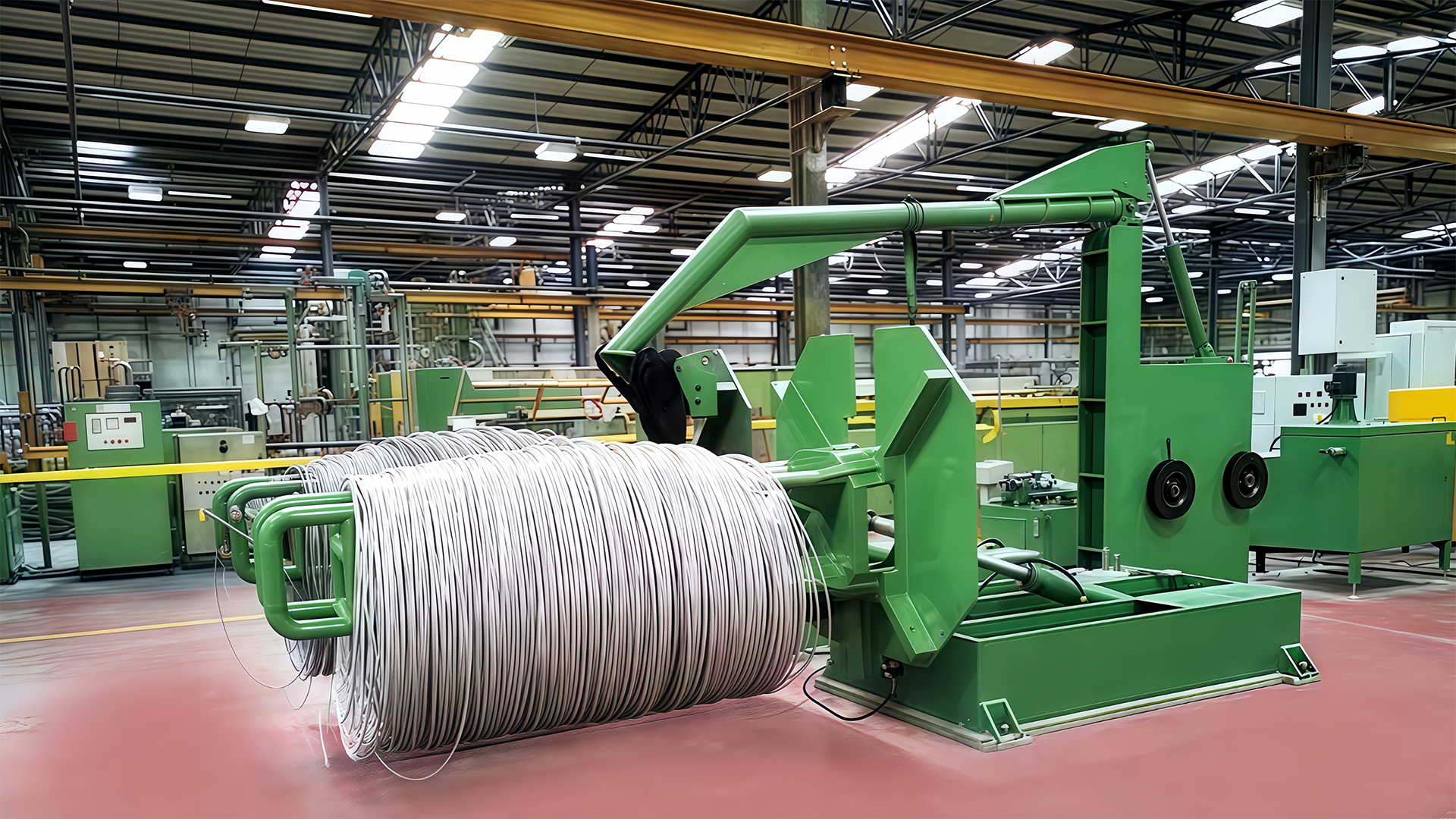
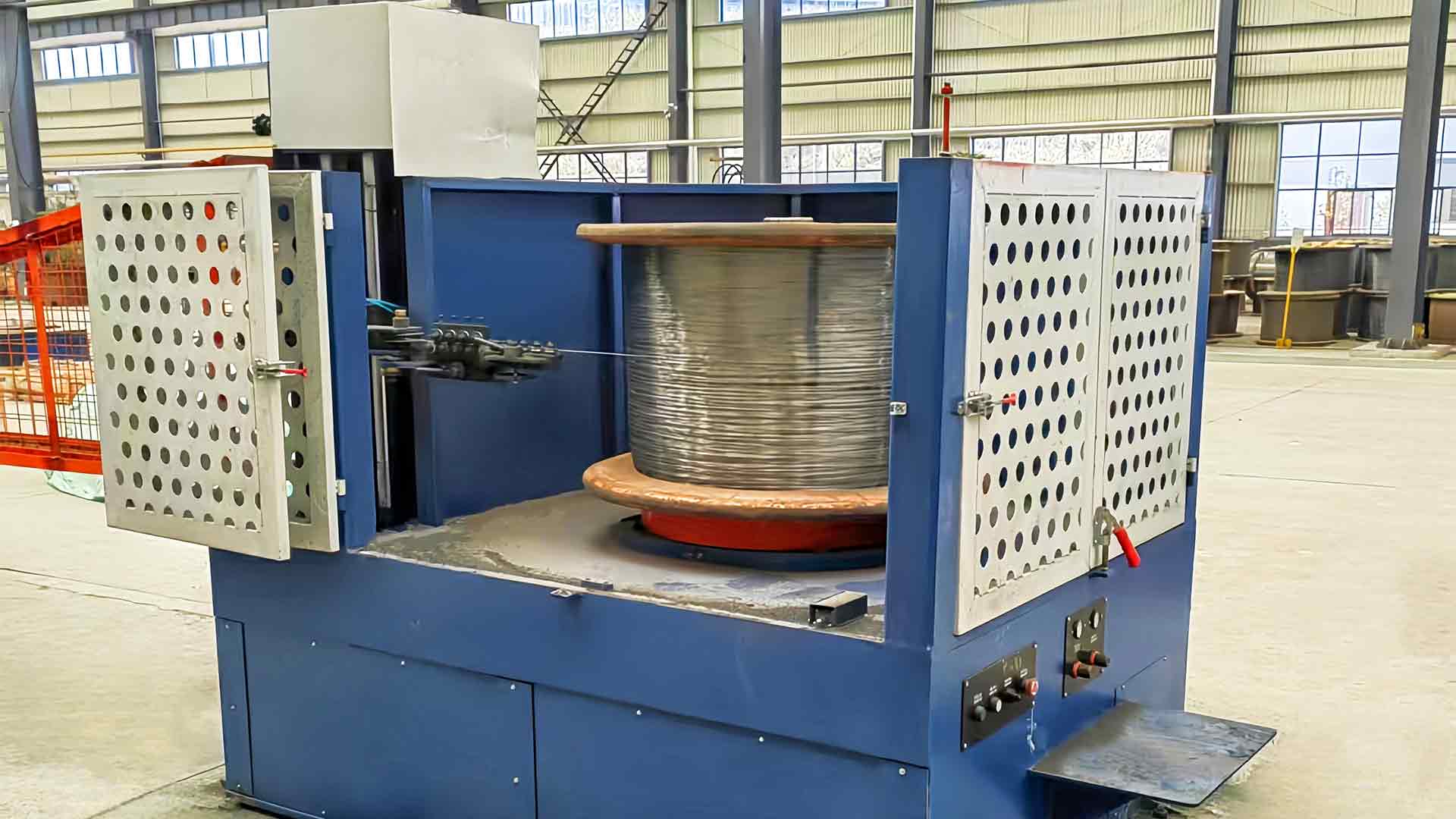
In most Pulley Wire Drawing Machines, braking systems are integrated into both the payoff and take-up reels. These systems are vital for maintaining the appropriate tension on the wire as it moves through the machine. The braking system functions by controlling the speed at which the wire is unwound from the reel (payoff) and wound onto the reel (take-up), ensuring that the wire remains under consistent tension throughout the entire drawing process. By adjusting the braking force on the reel, operators can effectively control the unwinding speed, balancing it against the drawing speed to keep the wire at the correct tension. This is particularly important during high-speed drawing operations where dynamic tension changes can occur rapidly. The system helps ensure a smooth, controlled wire drawing process by preventing excess tension, which could lead to breakage or an irregular drawing process.
Dynamic Speed Regulation
One of the most important features for maintaining proper tension is the dynamic speed regulation of the machine. The Pulley Wire Drawing Machine uses advanced speed control mechanisms that continuously adjust the speed of the drawing pulleys to maintain an even tension throughout the process. The control system is equipped with sensors that detect changes in the wire's tension and adapt the speed accordingly. For example, if the wire begins to experience increased resistance due to material properties or varying drawing stages, the machine can reduce the pulley speed to ease the tension. On the other hand, if tension becomes too low, the system can speed up the pulleys to maintain the necessary force. This dynamic regulation ensures that the wire is always drawn at the optimal speed and tension, minimizing the risk of breakage and ensuring that the wire's quality remains consistent throughout the drawing process.
Tension Control Rolls or Pulleys
Tension control rolls or additional pulleys are strategically placed along the wire's path to regulate the wire's tension as it moves through the Pulley Wire Drawing Machine. These components help create additional frictional resistance, which aids in controlling the wire’s speed and tension. The placement and configuration of these rolls or pulleys are precisely engineered to prevent excessive tension buildup at any point in the drawing process. By managing the speed of the wire at various stages of the drawing process, these rolls or pulleys help ensure that the tension remains steady and consistent, regardless of any external factors like wire size, material changes, or drawing speed variations. The frictional forces introduced by these components are tuned to match the wire's characteristics, preventing breakage or deformation while ensuring that the wire remains under constant control.
Constant Monitoring and Automatic Adjustments
Modern Pulley Wire Drawing Machines often incorporate advanced control systems capable of continuous monitoring and automatic adjustments based on real-time feedback from tension sensors, load cells, and other monitoring devices. These systems use algorithms to evaluate the wire’s tension during the drawing process, and if they detect any fluctuations, they adjust the machine's parameters, such as pulley speed, brake pressure, or drawing force, to correct the tension. The automated adjustments happen instantaneously, ensuring that tension control remains within the optimal range without the need for manual intervention. This dynamic, automatic tension management is especially valuable in high-speed or multi-pass wire drawing where consistent performance is crucial and any variation in tension can lead to defects such as inconsistent diameter or surface imperfections.
Die and Pulley Design Optimization
The design of the dies and pulleys used in the Pulley Wire Drawing Machine is a critical aspect of maintaining tension control. The dies are designed to gradually reduce the diameter of the wire while ensuring that it remains within the prescribed tension limits. A well-designed die optimally distributes the tension across the wire, preventing any local stress points that could cause breakage. Similarly, the pulleys are designed to minimize friction and wear, helping the wire pass through smoothly without added resistance that could increase tension. Additionally, pulleys are often equipped with precision bearings to ensure that they rotate smoothly and consistently, contributing to the overall steady tension during the drawing process. Optimized die and pulley designs also ensure that the wire elongates uniformly, further reducing the risk of irregularities in wire thickness or surface quality.