 English
 русский
 عربى
عربى

Sequential Reduction Across Multiple Stages
Wires that require substantial diameter reduction cannot be drawn to their final dimensions in a single pass because the material would experience excessive tensile stress, which could lead to wire breakage, micro-cracking, or permanent deformation. The Inverted Wire Drawing Machine is specifically engineered to handle multi-stage drawing processes, in which the wire is gradually reduced in diameter across a series of precisely controlled dies. Each stage of the process applies a carefully calculated reduction in diameter, usually within the material’s recommended reduction-per-pass limits, to allow uniform elongation and deformation without over-stressing the wire. This staged approach ensures that the mechanical properties of the wire, such as tensile strength, ductility, and surface smoothness, are preserved throughout the process. By incrementally reducing the diameter, the machine minimizes the risk of defects such as necking, ovality, or surface scratches that could compromise the wire’s structural integrity or usability in downstream applications.
Integrated Die and Capstan Configuration
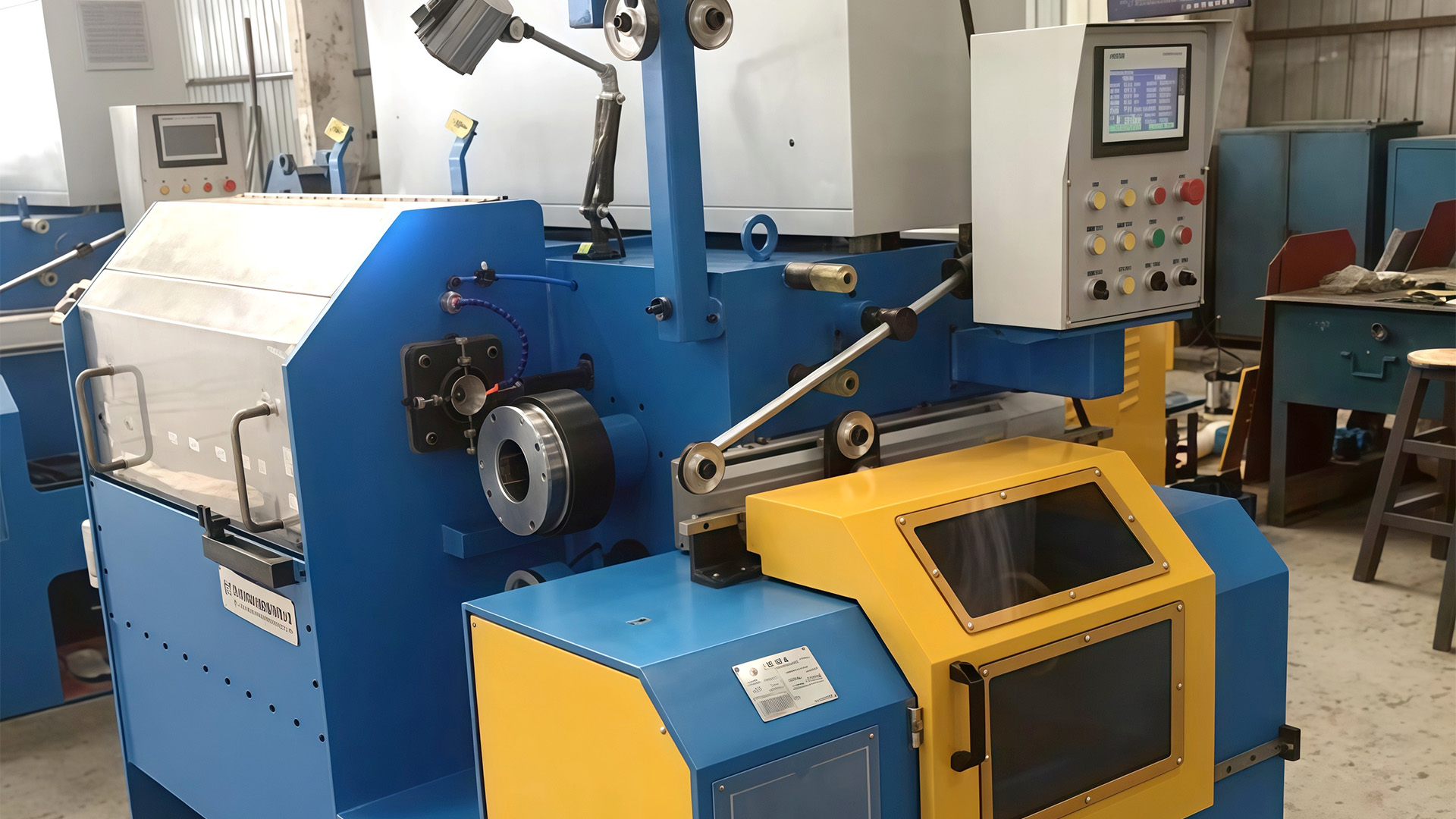
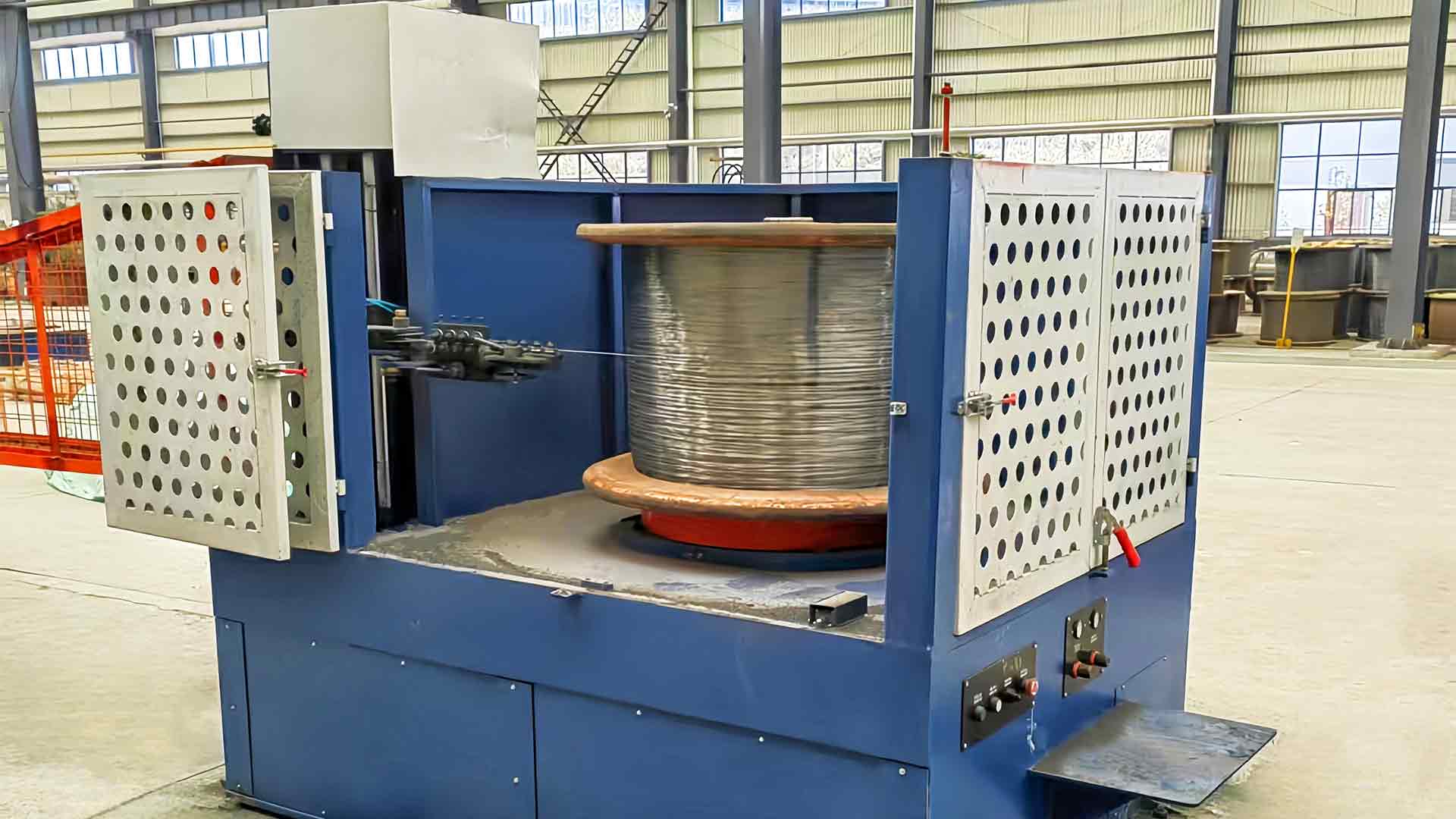
The critical feature of the Inverted Wire Drawing Machine is its multi-station die and capstan arrangement, which facilitates continuous, precise wire reduction across multiple stages. Each die is manufactured to exacting tolerances to ensure consistent wire sizing at every stage. Capstans positioned between dies control wire tension and provide a smooth, stable feed, preventing slack, twisting, or uneven stretching of the wire as it moves through the sequence. The inverted design of the machine allows the wire to follow an optimal path while maintaining alignment, reducing the risk of lateral deviation or misfeeding during the multi-stage process. This configuration ensures that large reductions in diameter can be achieved efficiently, accurately, and continuously, without requiring repeated manual handling, which is critical in high-volume industrial operations.
Tension Management and Lubrication Control
In multi-stage wire drawing, tension control is one of the most crucial factors for successful operation. The Inverted Wire Drawing Machine continuously monitors and adjusts the tension applied to the wire at each stage, compensating for changes in wire diameter, material properties, and drawing speed. Proper tension prevents wire breakage, elongation inconsistencies, and misalignment, all of which could compromise product quality. Complementing tension control, the machine employs precisely applied lubrication at each die stage to reduce friction between the wire and die surfaces. Lubrication serves multiple functions: it minimizes heat generation, reduces surface wear on both the wire and die, and enhances the wire’s surface finish. Optimized lubrication ensures that each drawing stage operates within the material’s safe deformation limits while maintaining efficiency and consistency. The combination of controlled tension and effective lubrication is particularly important when performing large multi-stage diameter reductions, where friction and stress accumulate across successive dies.
Monitoring, Automation, and Quality Assurance
Modern Inverted Wire Drawing Machines often integrate real-time monitoring systems and sensors to track critical process variables such as wire diameter, speed, tension, and surface quality at each stage. Feedback from these sensors allows for automated adjustments to die alignment, capstan tension, and lubrication flow, ensuring consistent output and minimizing the risk of defects. Continuous monitoring is essential for preventing issues like micro-cracks, surface scratches, or ovality, which can compromise both mechanical properties and electrical performance in conductive wires. The ability to automate adjustments and maintain strict process control allows the machine to handle long wire lengths or high-speed production runs with minimal human intervention, ensuring both reliability and repeatability in demanding industrial environments.