 English
 русский
 عربى
عربى

-
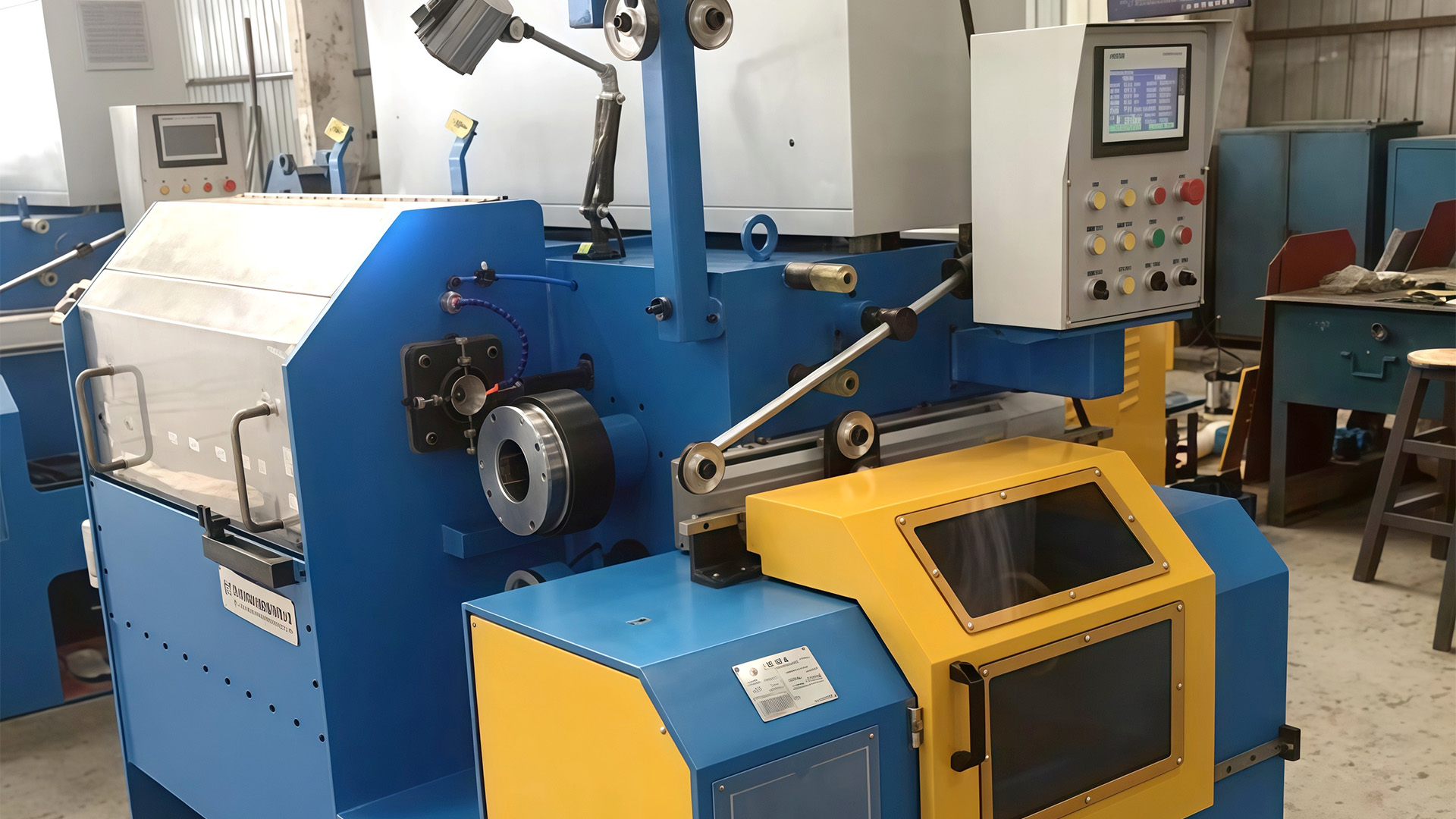
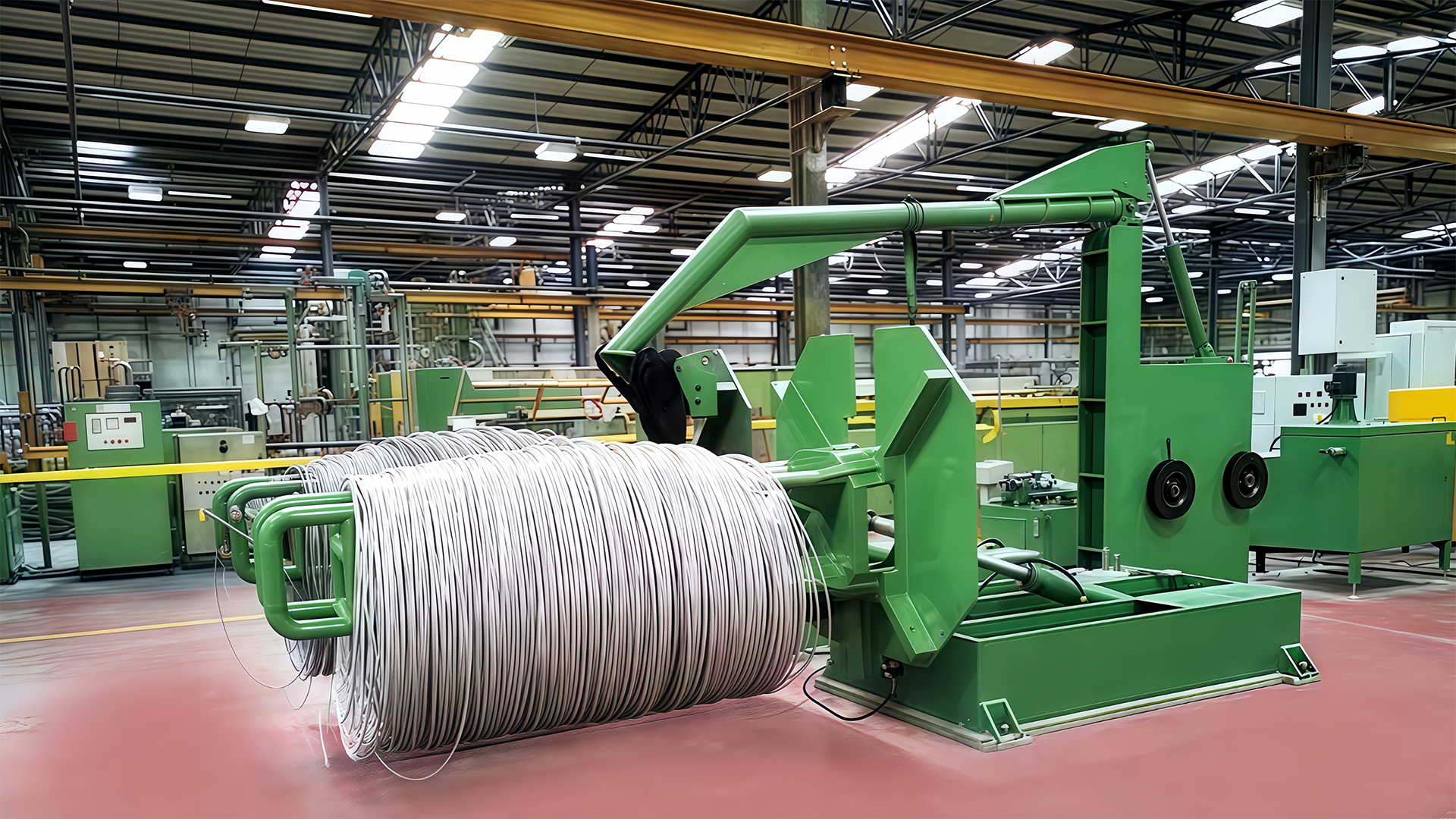
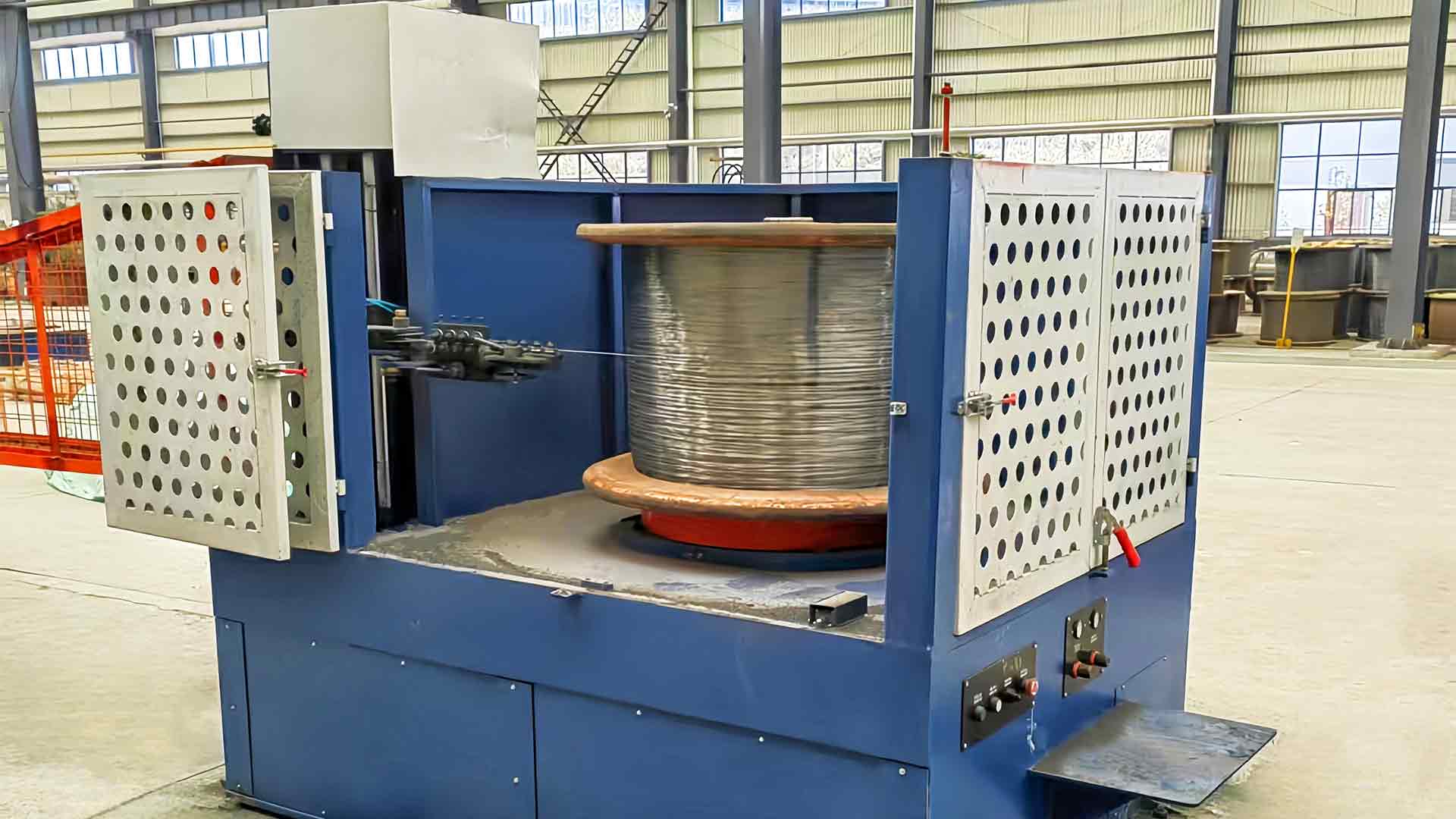
Precision Tension Control Systems: The Wire Pay-off Machine is equipped with highly advanced tension control systems that are specifically designed to maintain consistent wire tension during high-speed feeding, which is critical to preventing elongation and preserving dimensional accuracy. These systems may include mechanical brakes, pneumatic or hydraulic tension controls, or electronically controlled servo-driven brakes that continuously adjust the tension applied to the wire in real time. By maintaining a stable tension, the system prevents over-stretching or slack formation that could lead to wire elongation, misalignment, or uneven downstream processing. The control system actively compensates for changes in spool diameter, wire material properties, and rotational speed, ensuring that even during long, continuous production runs, the wire maintains uniform dimensions and structural integrity.
-
Servo-Controlled Pay-off and Rotational Drives: High-speed wire feeding demands precise control of spool rotation to match the downstream processing speed accurately. The Wire Pay-off Machine employs servo-controlled motors or electronically synchronized rotational drives that offer precise rotational speed, acceleration, and deceleration control. These servo drives compensate for inertia, friction, and any mechanical variations, preventing sudden jerks, shocks, or over-rotation that could stretch or distort the wire. By precisely coordinating the spool’s rotation with the required feed rate, the system ensures that wire is delivered smoothly, consistently, and at the correct linear speed, thereby maintaining tight dimensional tolerances and preventing elongation even at elevated operating speeds.
-
Automatic Diameter Compensation: As a large spool unwinds, its effective diameter decreases, which can cause fluctuations in rotational speed and tension if not accounted for. The Wire Pay-off Machine features automatic diameter tracking systems that monitor the changing coil diameter and dynamically adjust rotational speed and braking force to compensate for these variations. This ensures that wire is neither overfed nor underfed during the entire unwinding process. Real-time diameter compensation allows the machine to maintain a constant linear feed rate and uniform tension across the wire, preventing elongation, slack, or inconsistencies that could affect downstream processes such as coating, insulation, or winding.
-
Multi-Zone Tension and Brake Distribution: In order to prevent localized stress concentrations that can cause permanent wire deformation or elongation, some advanced Wire Pay-off Machines use multi-zone tension control or distributed braking along the wire path. By applying controlled tension at multiple points, the machine ensures that forces are evenly distributed along the wire, reducing the risk of stretching in one section while another section is slack. This distributed approach maintains the wire’s dimensional integrity and ensures uniform feed, which is critical for precision applications such as electrical cable production, wire stranding, or automated assembly lines where tight tolerances must be maintained.
-
High-Precision Sensors and Feedback Loops: The Wire Pay-off Machine integrates high-precision sensors that continuously monitor key parameters including wire speed, tension, spool rotation, and feed alignment. These sensors provide real-time feedback to the control system, allowing it to adjust motor speeds, brake pressure, and spool rotation dynamically. Closed-loop control ensures that any deviations caused by sudden load changes, spool imbalance, or environmental factors are corrected immediately, preventing wire elongation and maintaining dimensional accuracy even during high-speed operations. This precise monitoring allows the machine to operate reliably with minimal operator intervention while maintaining consistent quality across long production runs.
-
Low-Friction Bearings and Support Rollers: The wire path in the Wire Pay-off Machine is supported by high-quality, low-friction bearings and guide rollers, which minimize resistance and prevent the wire from experiencing unnecessary stress during high-speed feeding. By reducing mechanical drag, these components prevent elongation caused by excessive tension and maintain smooth, uninterrupted wire movement. Bearings and rollers are often engineered to handle heavy loads and abrasive materials without degrading over time, ensuring long-term consistency in feed performance and dimensional accuracy, even in demanding industrial applications involving coated or particulate-laden wires.