 English
 русский
 عربى
عربى

1. Precision Tensioning Systems
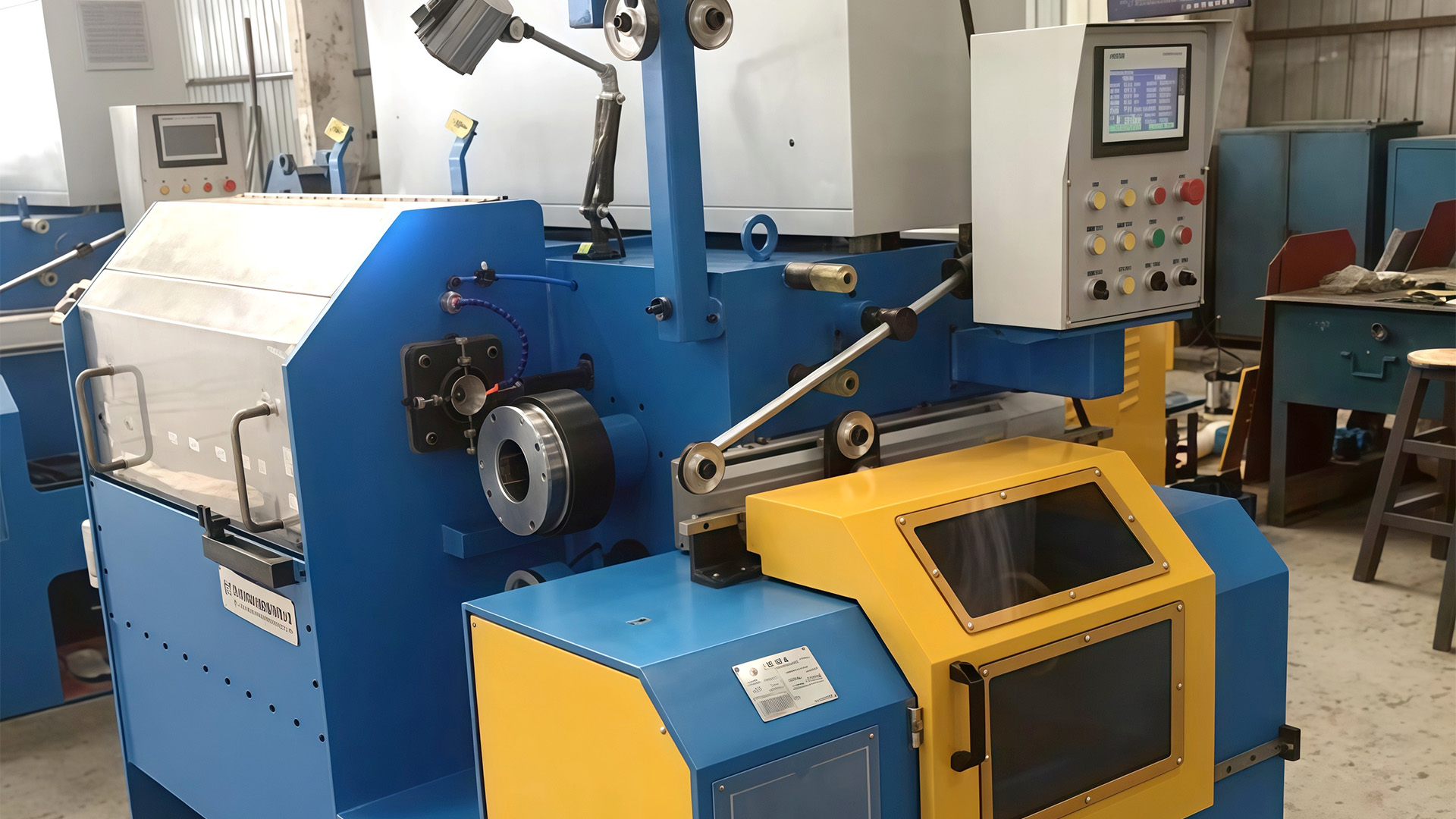
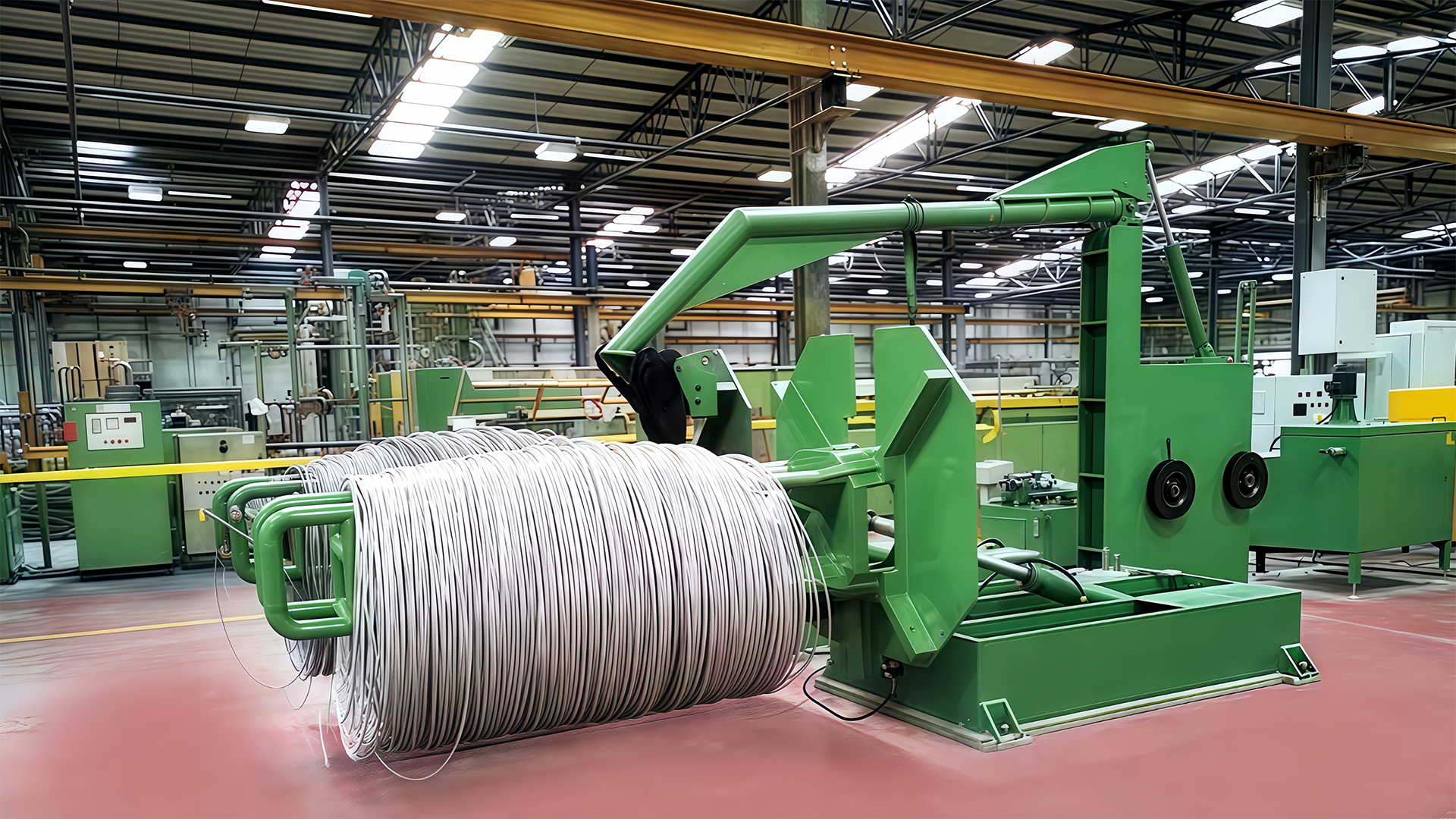
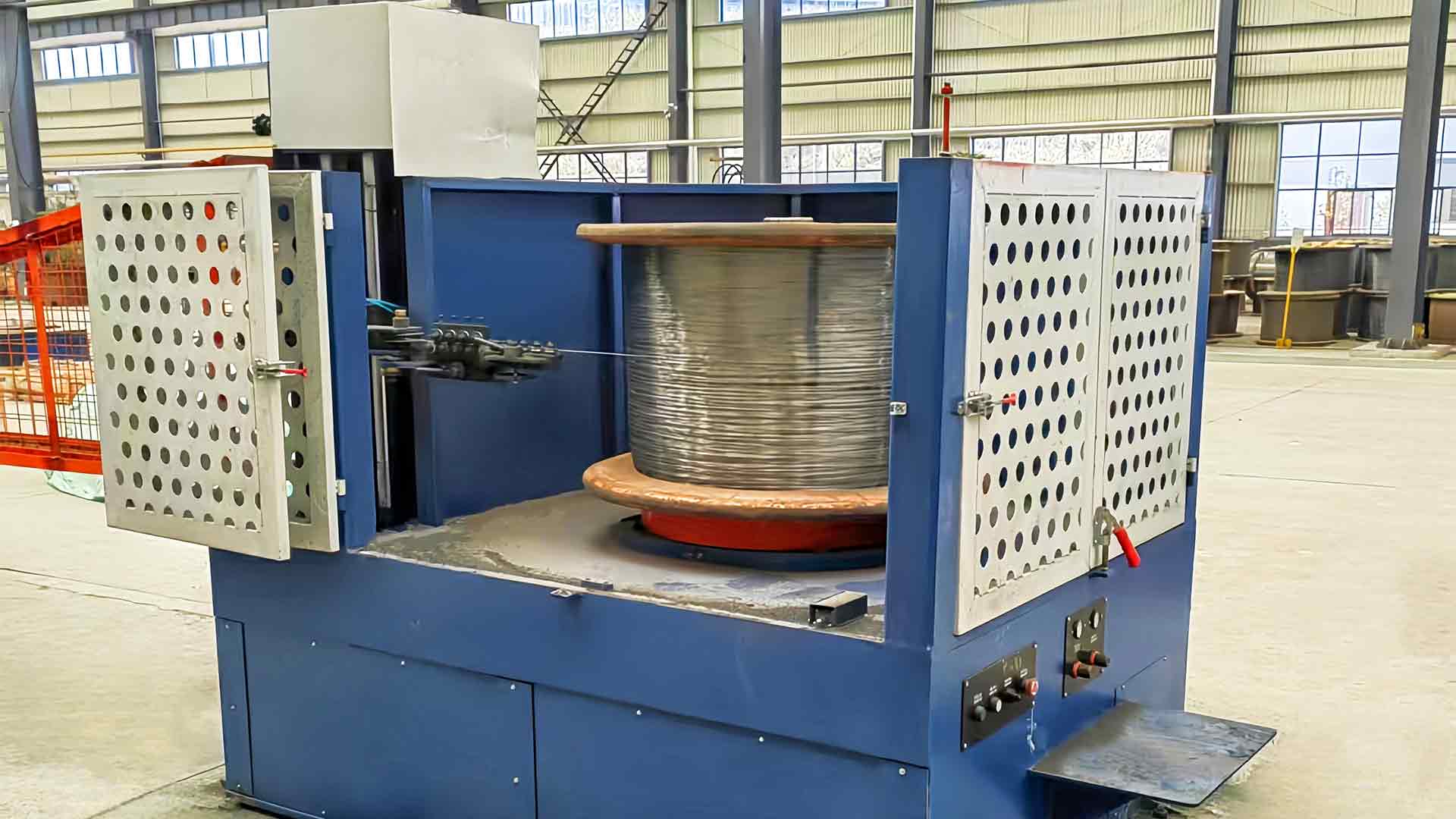
The Wire Pay-off Machine relies on carefully engineered tensioning systems to maintain optimal wire tension during the unwinding process. These systems often use spring-loaded arms, friction discs, or adjustable mechanical brakes to apply a controlled resistive force on the wire spool. The resistance ensures the wire unwinds smoothly without developing slack, looping, or sudden jerks that could compromise its structural integrity. The tension can be fine-tuned according to the wire’s material properties, such as diameter, tensile strength, and elasticity. For example, softer wires like copper require lighter tension to avoid elongation, while harder wires like steel demand slightly higher tension to maintain straightness during pay-off. The adjustability of these systems ensures that the Wire Pay-off Machine can handle a wide range of wire types and sizes while preserving uniform mechanical properties and preventing deformation.
2. Feedback-Controlled Motorization
Many modern Wire Pay-off Machines are equipped with electronically controlled motors, such as servo motors or variable-frequency drives, integrated with real-time tension sensors. These sensors continuously monitor wire tension and feed rate, sending signals to the motor controller to dynamically adjust torque or braking force. This closed-loop system ensures that the wire maintains consistent tension regardless of changes in spool diameter or downstream equipment speed. For high-precision applications, such as winding fine-gauge wires for electronics or coated wires for industrial use, this real-time feedback prevents over-tensioning, elongation, or breakage. By combining mechanical tension systems with electronic monitoring, the Wire Pay-off Machine achieves reliable, repeatable performance even in demanding continuous-operation environments.
3. Smooth Roller and Bearing Systems
The Wire Pay-off Machine employs precision-engineered rollers and bearings to guide the wire along its path from the spool to downstream equipment. High-quality materials and polished surfaces reduce friction, preventing micro-abrasions, snagging, or stress concentrations that could deform the wire. Bearings reduce resistance inconsistencies and allow the wire to move freely, supporting the tensioning system by preventing sudden spikes in tension. The rollers are often strategically positioned and aligned to maintain a straight, uninterrupted path for the wire. This mechanical stability ensures that the wire experiences uniform tension along its entire length, reducing the risk of stretching, kinking, or damage during continuous operation.
4. Adjustable Pay-off Speeds
A critical factor in preventing wire deformation is controlling the pay-off speed. The Wire Pay-off Machine allows operators to adjust the spool rotation speed to match downstream processes, such as winding, cutting, or extrusion. Smooth acceleration and deceleration controls prevent sudden tension surges that could stretch or distort the wire. Matching the pay-off speed with the tensioning system ensures that the wire is delivered consistently and without slack or pull. This speed synchronization is particularly important in high-volume production environments where variations in downstream equipment speed could otherwise compromise wire quality. The ability to fine-tune pay-off rates also allows the machine to adapt to different wire materials and diameters without risking deformation.
5. Environmental and Material Adaptability
The Wire Pay-off Machine can be adjusted to handle a wide range of wire materials and environmental conditions. Softer, low-tensile wires require lower tension, while hard, high-strength wires need slightly higher resistive forces to maintain straightness. Environmental factors such as temperature, humidity, and dust levels can affect wire elasticity and surface friction. By adjusting tension settings and feed speed to accommodate these conditions, the machine ensures consistent wire quality, prevents elongation, and maintains uniform diameter. This adaptability is crucial in industrial applications, including electrical wiring production, construction cabling, and metal wire manufacturing, where maintaining mechanical integrity is essential for downstream processes.