 English
 русский
 عربى
عربى

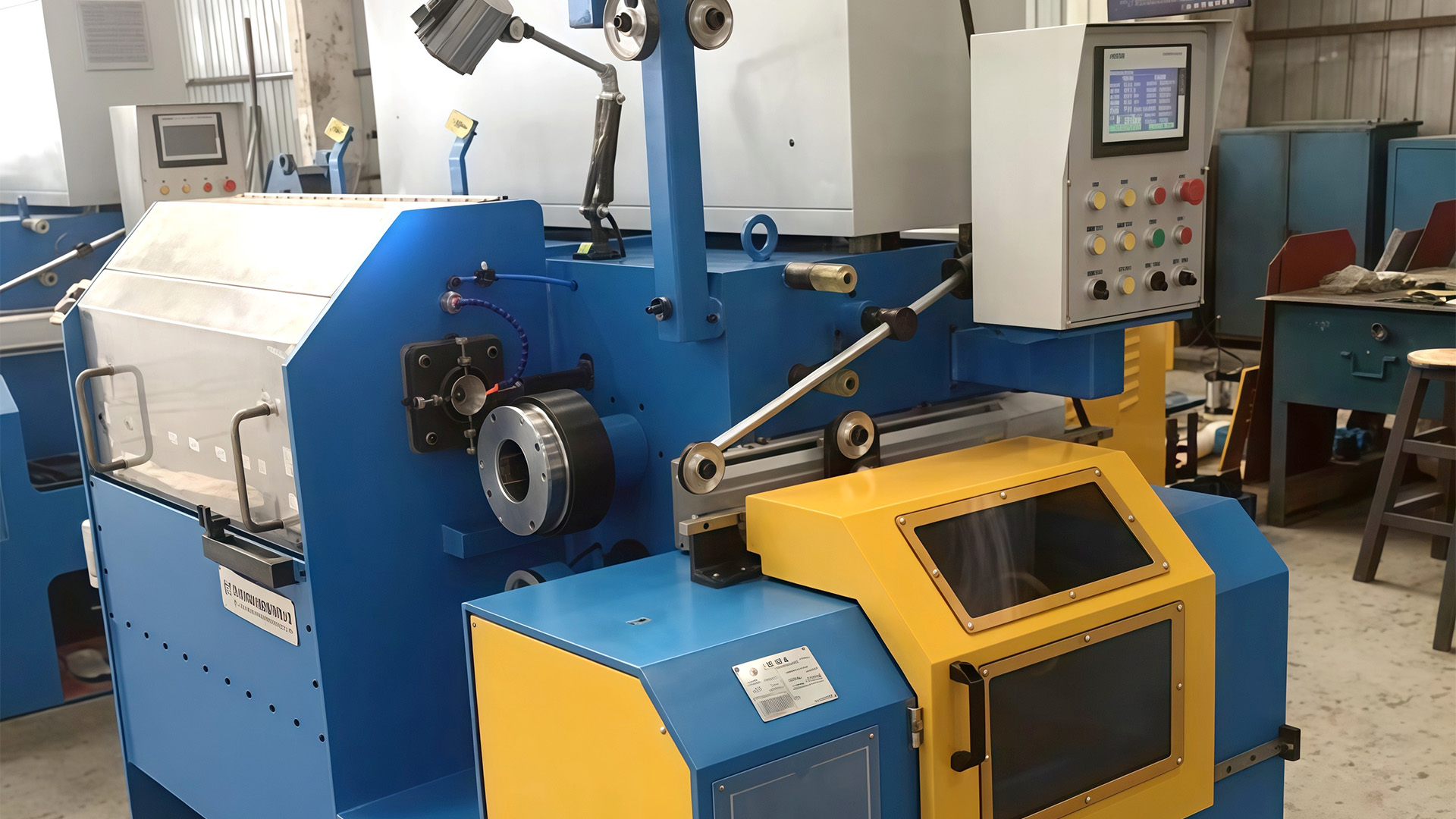
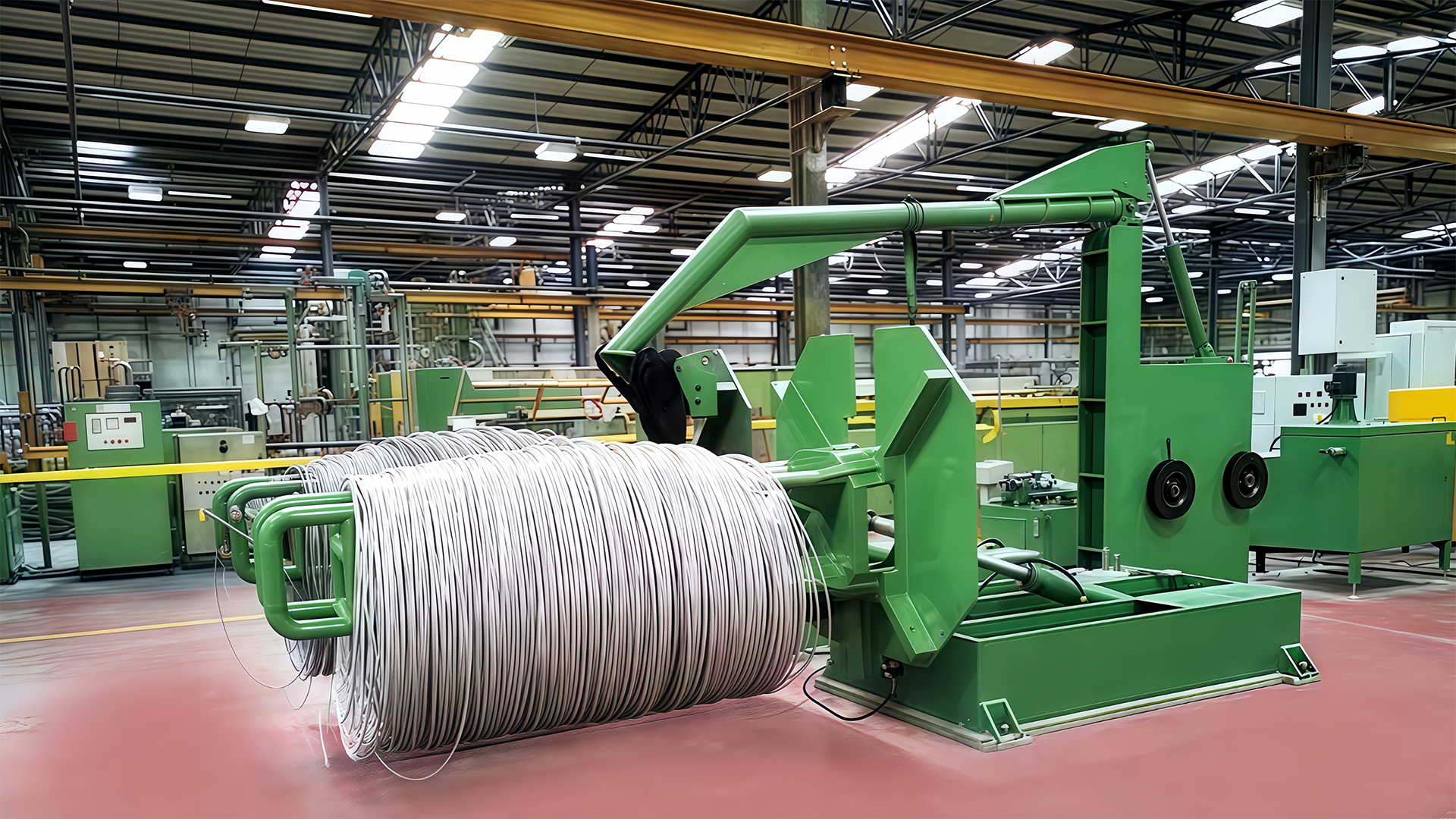
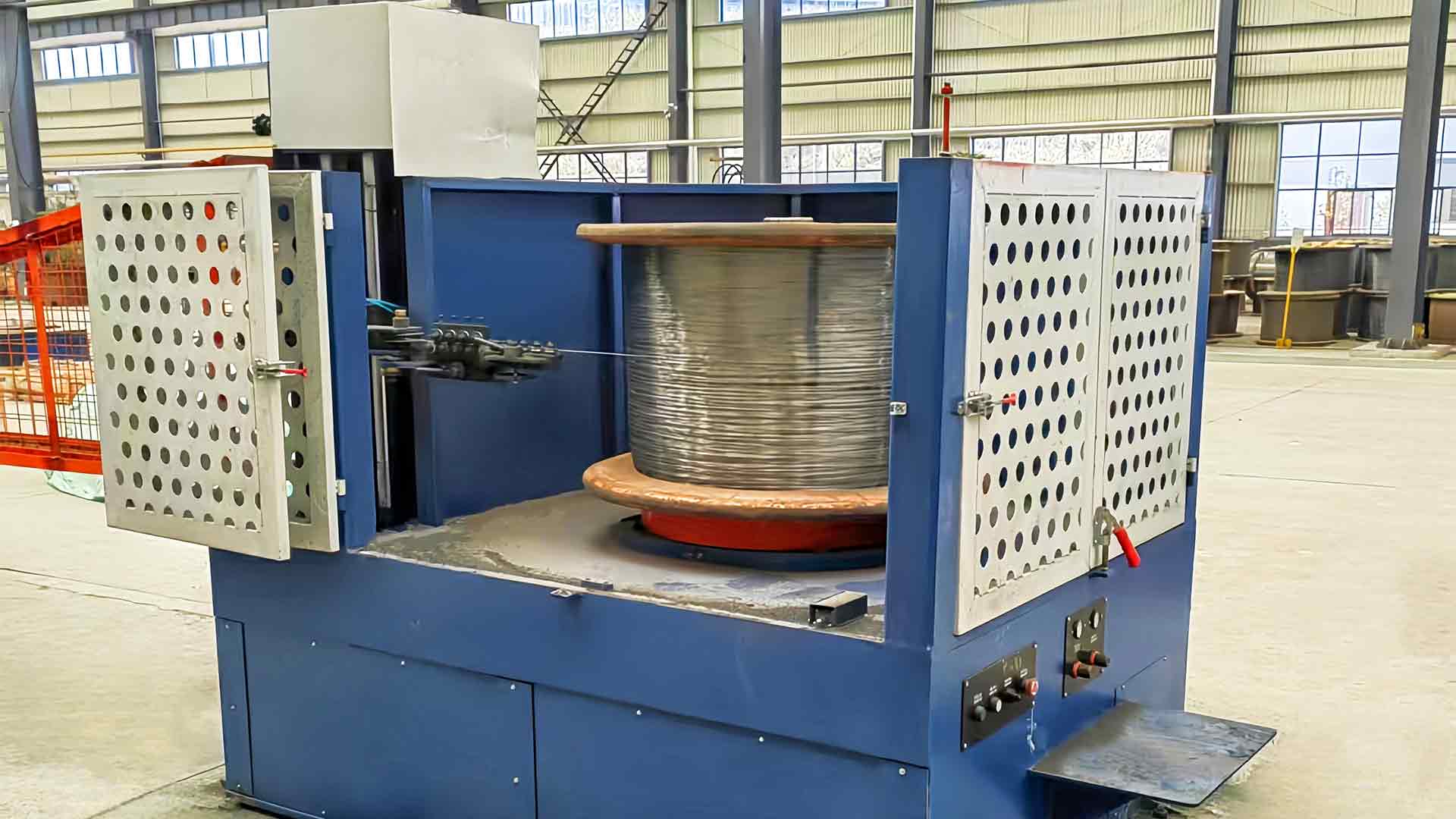
The Wire Take-Up Machine ensures uniform tension primarily through a combination of controlled motor speed, tension feedback systems, and adjustable braking mechanisms. By monitoring the wire's pull in real time and automatically adjusting winding speed, the machine prevents slack, kinks, or overstretching, guaranteeing consistent winding quality from the first to the last layer of wire.
Motor Speed Control and Its Role in Tension Management
Modern Wire Take-Up Machines use variable frequency drives (VFDs) or servo motors to precisely control winding speed. These motors adjust the reel's rotational velocity based on wire tension sensors, ensuring the wire is wound tightly but not overstretched. For instance, a 2 mm copper wire can maintain a tension variation of less than ±3% when the motor is finely tuned for real-time response.
Tension Feedback Systems
Tension feedback systems are essential for preventing wire damage. Load cells or torque sensors continuously measure the force applied to the wire during winding. The machine's control system uses this data to adjust the spool's rotation, braking resistance, or wire feed speed. This creates a closed-loop system, allowing the machine to react in milliseconds to changes in wire tension, maintaining uniformity across multiple reels.
Braking Mechanisms for Controlled Wire Pull
Mechanical or electromagnetic brakes are used to control the pull on the wire, especially for larger spools where inertia can cause uneven tension. Adjustable braking systems allow operators to fine-tune the amount of resistance applied, ensuring that the wire is consistently taut. For example, braking adjustments can prevent wire tension spikes when a 100 kg spool starts to accelerate during high-speed winding.
Guide Rollers and Their Effect on Wire Alignment
Guide rollers help direct the wire uniformly onto the take-up spool. Properly positioned rollers minimize lateral movement, reducing uneven layering and tension inconsistencies. Advanced machines use servo-controlled rollers to adapt the wire path dynamically, keeping tension within a ±2% deviation range even at high speeds.
Wire Material Considerations
Different wire materials respond differently to tension. Copper, aluminum, and coated wires vary in elasticity and surface friction. The Wire Take-Up Machine must be calibrated accordingly. For instance, aluminum wire may require slightly lower tension to avoid stretching, while coated copper wire may need higher tension to prevent loops or tangles. Machines often include presets for common materials, allowing operators to maintain uniform tension without extensive manual adjustments.
Layering Techniques to Maintain Consistency
Uniform tension is also achieved by controlling the layering pattern. Cross-winding or helical layering distributes wire evenly, avoiding concentrated tension in a single area. Many machines use programmable pitch guides to automatically adjust spool traverse speed relative to the wire feed, ensuring that each layer is wound evenly, which reduces the risk of pressure points or deformations in sensitive wires.
Monitoring and Real-Time Adjustment
Modern Wire Take-Up Machines feature digital monitoring dashboards showing real-time tension, spool fill percentage, and motor load. Operators can immediately spot irregularities and adjust machine settings or let the automated system make corrections. Some systems log data for predictive maintenance, ensuring consistent performance and reducing downtime due to uneven winding issues.
Comparison of Tension Control Methods
| Method | Accuracy | Speed Compatibility | Best Use Case |
|---|---|---|---|
| Load Cell Feedback | ±1-3% | High-Speed | Precision wires |
| Mechanical Brakes | ±3-5% | Medium-Speed | Heavy spools |
| Servo Motor Control | ±1% | All Speeds | Versatile industrial use |
The Wire Take-Up Machine achieves uniform tension through an integrated approach combining motor speed control, tension feedback, adjustable braking, and guided layering. With precise calibration and real-time monitoring, these machines can maintain tension variations as low as ±1%, ensuring high-quality wire winding suitable for industrial applications, including electronics, construction, and automotive wiring.