 English
 русский
 عربى
عربى

Efficient Handling of Wire Variations
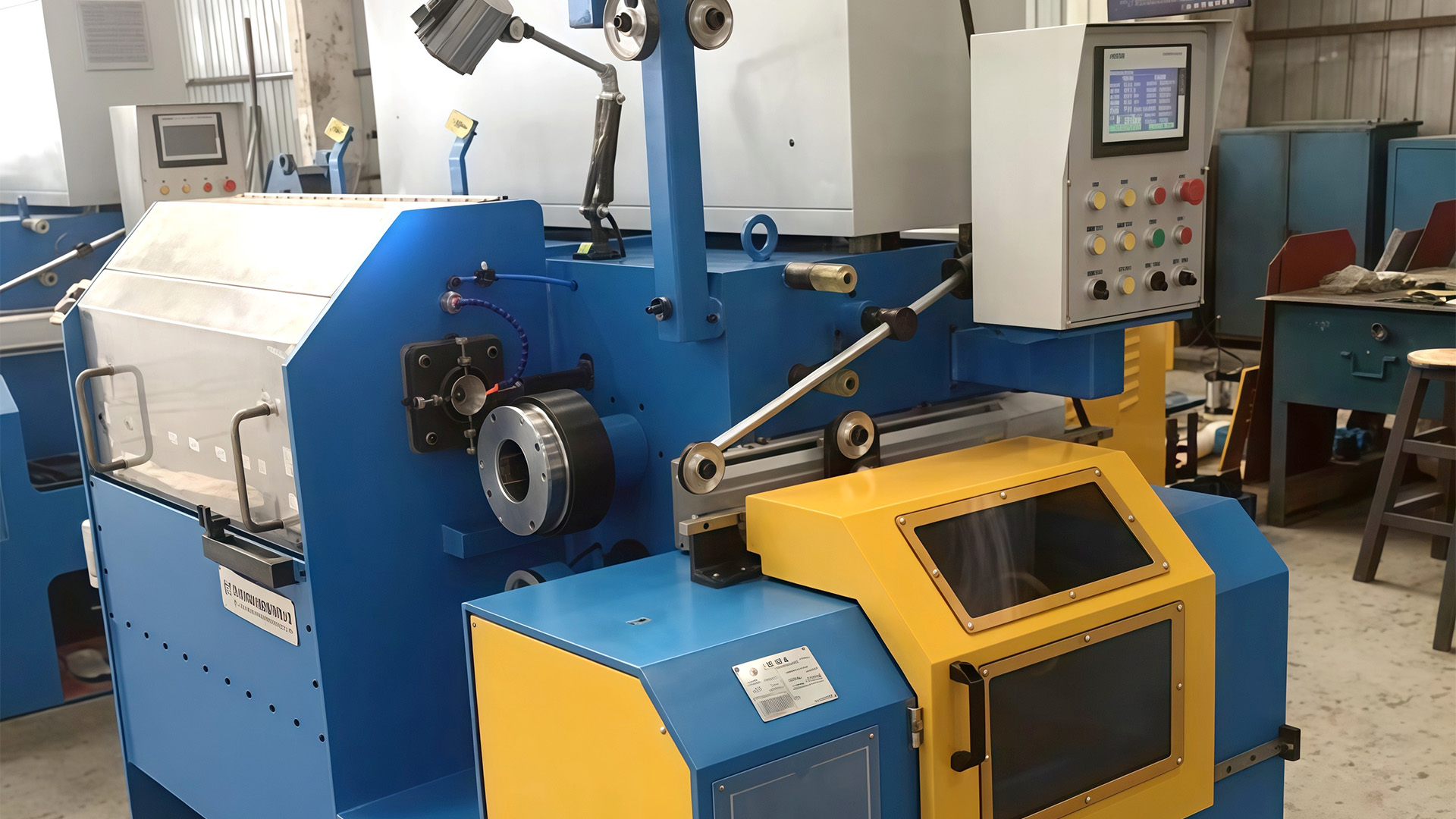
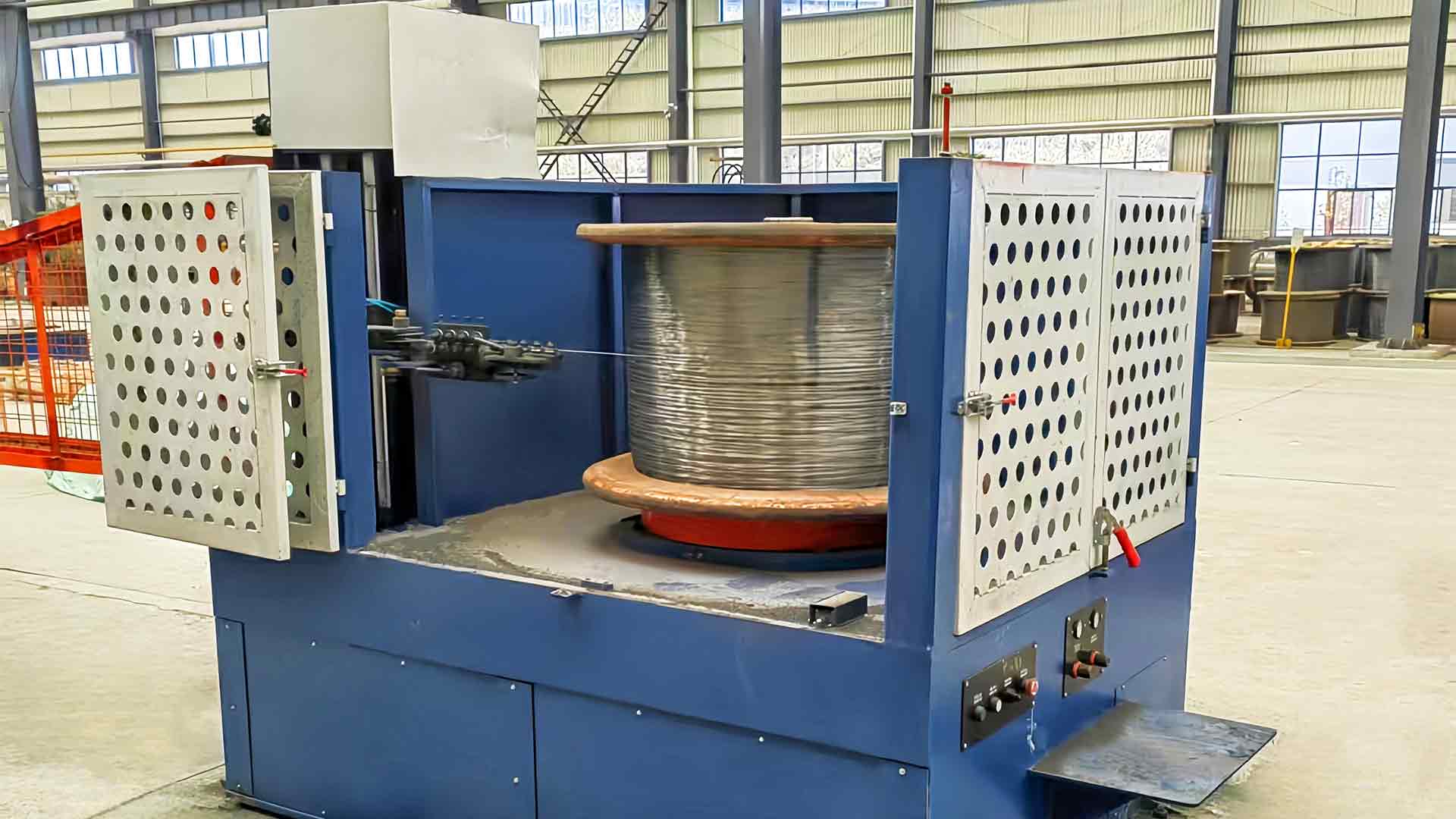
The Wire Pay-off Machine effectively manages varying wire diameters and tensile strengths by combining adjustable tension controls, precise spindle rotation, and real-time feedback sensors. This ensures that wires of different sizes and material properties can be unwound consistently without deformation, breakage, or production delays. Modern machines can handle wire diameters from 0.1 mm to 20 mm and tensile strengths up to 800 MPa, adjusting automatically for optimal performance.
Adjustable Tension Systems
One of the most critical features of the Wire Pay-off Machine is its adjustable tension system. These systems allow operators to set or automatically maintain the correct tension for wires of varying diameters and strengths. Maintaining proper tension is essential because insufficient tension can lead to wire tangling, while excessive tension can cause deformation or breakage.
Typically, tension is controlled through:
- Hydraulic brakes for heavy gauge wires.
- Servo-driven motors for lightweight or delicate wires.
- Real-time load sensors that adjust tension dynamically during operation.
Spindle and Roller Adaptability
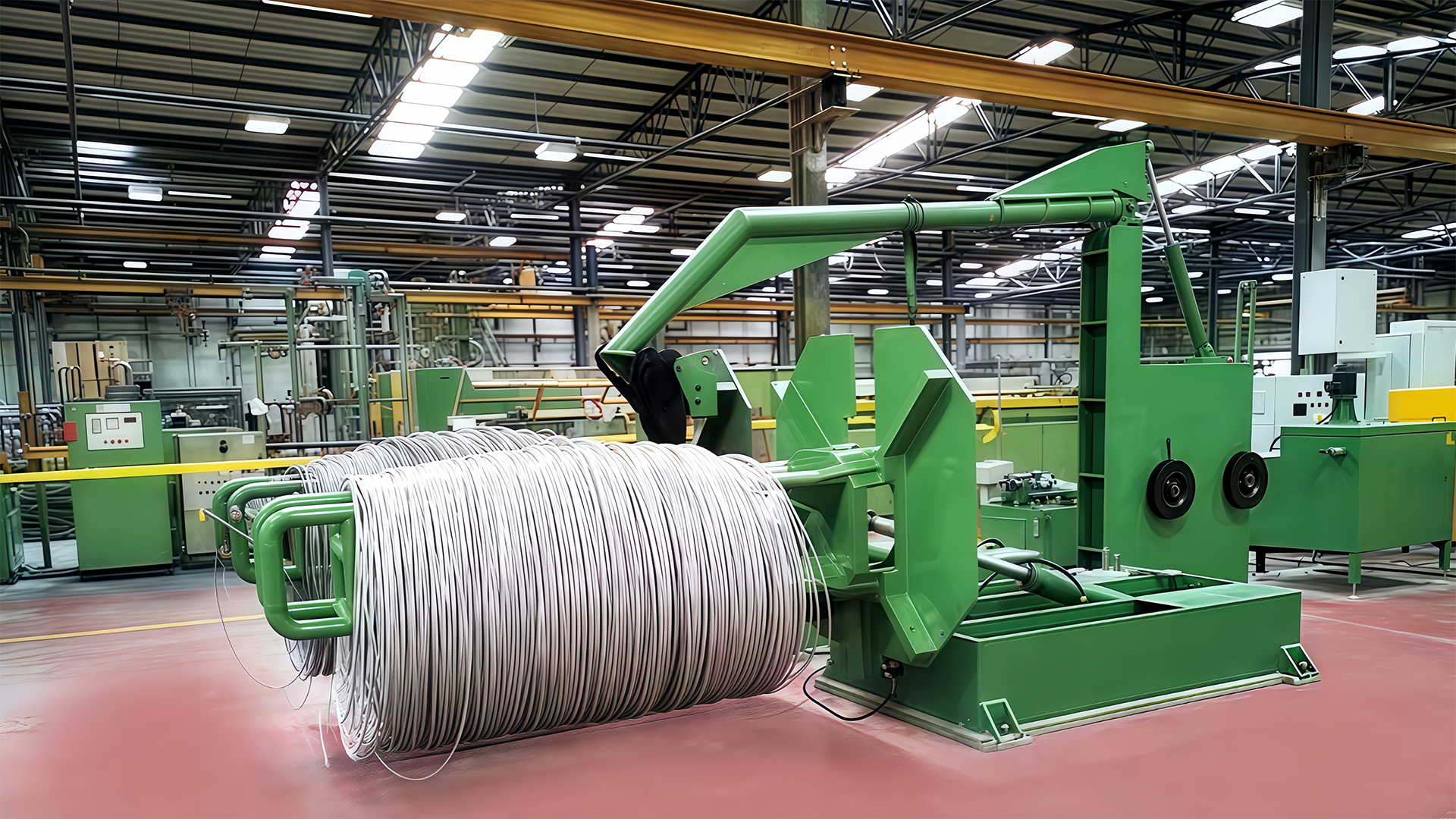
The Wire Pay-off Machine features interchangeable spindles and adjustable rollers to accommodate different wire diameters. Operators can quickly switch spindles or modify roller spacing to handle anything from thin electrical wires to thick industrial cables. This adaptability reduces downtime and increases production efficiency.
Key features include:
- Precision-engineered rollers that maintain uniform contact with wires of various thicknesses.
- Spindles with modular cores to support different spool sizes and weights up to 500 kg.
- Anti-slip surfaces on rollers to prevent wire slippage during high-speed unwinding.
Material Compatibility and Tensile Strength Handling
Different wire materials, such as copper, aluminum, steel, or specialty alloys, have varying tensile strengths that require precise control during unwinding. The Wire Pay-off Machine uses programmable tension profiles for each material type. These profiles automatically adjust motor speed, braking force, and spindle torque to match the specific properties of the wire.
For example:
- Copper wires with tensile strength around 210 MPa require moderate tension and high rotation speed.
- Steel wires with tensile strength exceeding 700 MPa need slower unwinding with higher tension to avoid slack formation or snapping.
Real-Time Monitoring and Feedback Systems
Modern Wire Pay-off Machines are equipped with real-time monitoring systems that detect changes in wire diameter, tension, and material consistency. Sensors measure wire elongation, spool rotation speed, and applied torque, sending feedback to the control system to adjust operation dynamically. This minimizes wire defects and ensures uniformity across production runs.
Examples of monitored parameters include:
| Parameter | Measurement Range | Purpose |
|---|---|---|
| Wire Diameter | 0.1 mm – 20 mm | Ensures proper roller and spindle adjustment |
| Tension Force | 0 – 800 N | Prevents wire deformation or snapping |
| Spool Speed | 0 – 120 m/min | Maintains uniform wire feed rate |
User Tips for Optimal Operation
To maximize the performance of the Wire Pay-off Machine when handling varying wire diameters and tensile strengths, operators should follow these best practices:
- Regularly calibrate tension sensors to ensure accuracy across different wire types.
- Use manufacturer-recommended spindles and rollers for each wire diameter.
- Monitor wire feed rates and adjust motor speeds based on material tensile strength.
- Schedule preventive maintenance for bearings and braking systems to prevent sudden failure.
- Document and use tension profiles for recurring wire types to reduce setup time.
The Wire Pay-off Machine is designed to handle a wide range of wire diameters and tensile strengths through adjustable tension systems, adaptable spindles and rollers, material-specific tension profiles, and real-time monitoring. These features ensure that wires are unwound consistently, safely, and efficiently, reducing production downtime and maintaining product quality. By following operational best practices and maintaining proper calibration, users can achieve optimal performance across all wire types.