 English
 русский
 عربى
عربى

Stainless steel wire is one of the most demanding materials to draw. Its work-hardening behaviour, low thermal conductivity, and tendency to gall against die surfaces create problems that a general-purpose machine cannot easily overcome. A dedicated stainless steel wire drawing machine addresses these challenges at the source. The advantages show up in measurable form: tighter diameter tolerances, cleaner surface finish, higher line speeds, and a lower cost per ton of finished wire. For mills that run stainless wire regularly, these are not small improvements; they are the difference between profitable production and constant firefighting.
What a Dedicated Stainless Steel Wire Drawing Machine Does Differently
Air-cooled capstans and single-block draw benches can produce stainless steel wire, but they force the operator to compromise on speed, quality, or both. A machine engineered for stainless steel behaves differently from the start.
Multi-Die Reduction and Back-Pull
Multi-die continuous configurations divide the total reduction into several controlled passes. The wire work-hardens gradually instead of losing ductility in a single aggressive pull. Back-pull straight-through machines add controlled counter-tension at each capstan, which improves reduction efficiency and keeps the wire stable on the drawing path. This is the design principle behind the modern straight-line machines used in stainless wire production lines.
Heat Management for Stainless Steel
Heat management is the second pillar. Stainless steel retains heat much longer than carbon steel, and excessive heat accelerates die wear, breaks down lubricant films, and degrades the surface brightness of the wire. Dedicated machines use water-cooled capstans, submerged die boxes, or high-capacity forced lubrication to hold the wire temperature inside a safe operating window. If you are new to the process, this explanation of how a wire drawing machine transforms raw metal into fine wire walks through the complete sequence from rod to finished wire.
Consistent Diameter and Surface Quality
The most visible advantage is dimensional consistency. Modern machines use servo-driven capstans and PLC-controlled tension to hold wire diameter within tight tolerances from the beginning of a coil to the end. This consistency matters directly for downstream processes such as cold heading, spring coiling, and wire mesh weaving. A few microns of diameter variation can cause tool breakage, uneven mesh openings, and rejected batches.
Surface quality is equally important. Scratches, die marks, and embedded lubricant residues on stainless steel wire are not merely cosmetic issues. They act as stress concentration points that reduce fatigue life in springs, fasteners, and cables. A dedicated machine with precision-aligned guides, properly finished dies, and controlled lubrication produces a smooth, bright surface that meets the standards of food processing, medical, and marine applications, where corrosion resistance and a clean appearance are non-negotiable.
Productivity Gains You Can Measure
Higher line speed is the most obvious productivity benefit. Stainless steel wire drawing machines are built with larger motor capacities and stronger cooling systems so they can maintain speed without overheating the wire or the dies. The larger gains, however, come from automation. PLC-controlled machines adjust speed and tension continuously, which reduces operator decisions and prevents the small mistakes that cause stoppages.
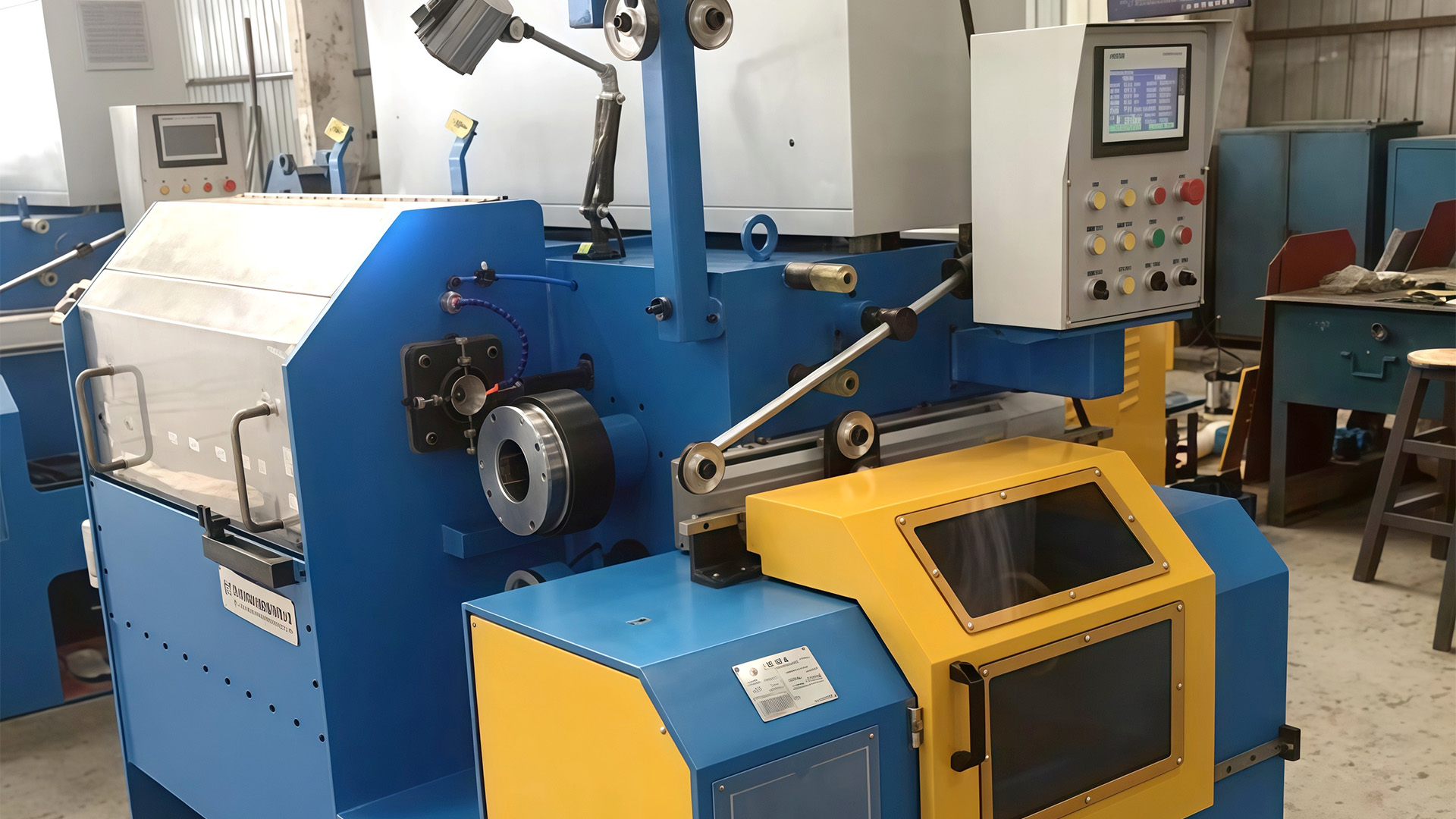
An integrated design shortens the production flow as well. For example, the LZ600 integrated direct wire drawing machine combines multiple drawing passes in a compact frame, reducing floor space and removing intermediate handling steps found in older line layouts. When the drawing machine is paired with an automated take-up system, the line can finish one coil and start the next with minimal manual rethreading. Less handling also means fewer surface scratches and less risk of coil damage. In practice, mills see more tons per shift and a measurable drop in non-productive time.
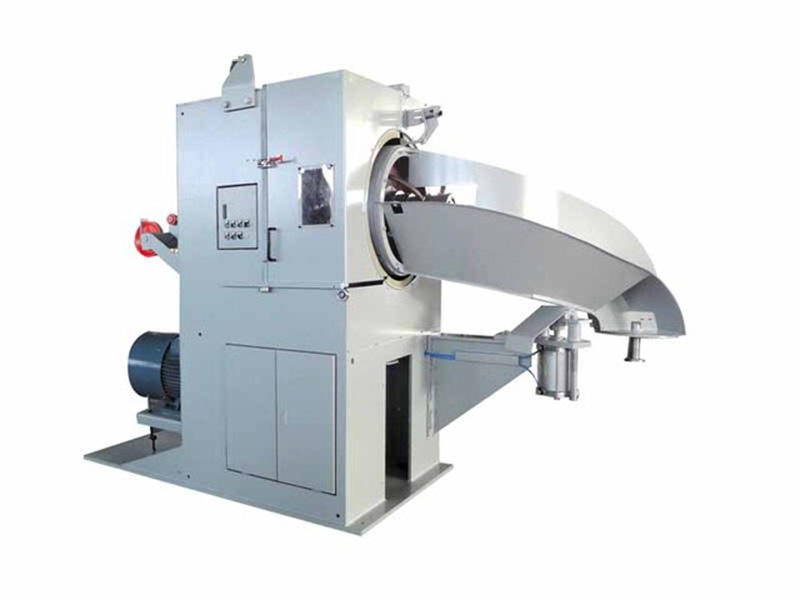 OEM/ODM Integrated Direct Wire Drawing Machine Suppliers, Factory - Wuxi Xin JinWuxi Xin Jinding Technology Co., LTD. is China OEM/ODM Integrated Direct Wire Drawing Machine suppliers and factory,The integrated direct...View Product →
Machine Configurations for Stainless Steel Wire
Not every stainless steel wire drawing machine produces the same result on every product. The correct configuration depends on the starting rod size, the target wire diameter, and the surface requirements of the end application. The table below summarises how the main machine types compare for stainless steel processing.
| Configuration | Typical Diameter Range | Key Advantage | Best Application |
|---|---|---|---|
| Water tank (wet) drawing | 0.05 - 1.2 mm | Superior cooling and lubrication | Fine wire, bright surface, high-speed drawing |
| Straight-line (dry) drawing | 0.8 - 12 mm | High reduction efficiency and accuracy | Rod breakdown, medium wire, mesh wire |
| Inverted (vertical) drawing | 5 - 20 mm | Large coil handling and continuous operation | Heavy wire, wire rod, twist-free coiling |
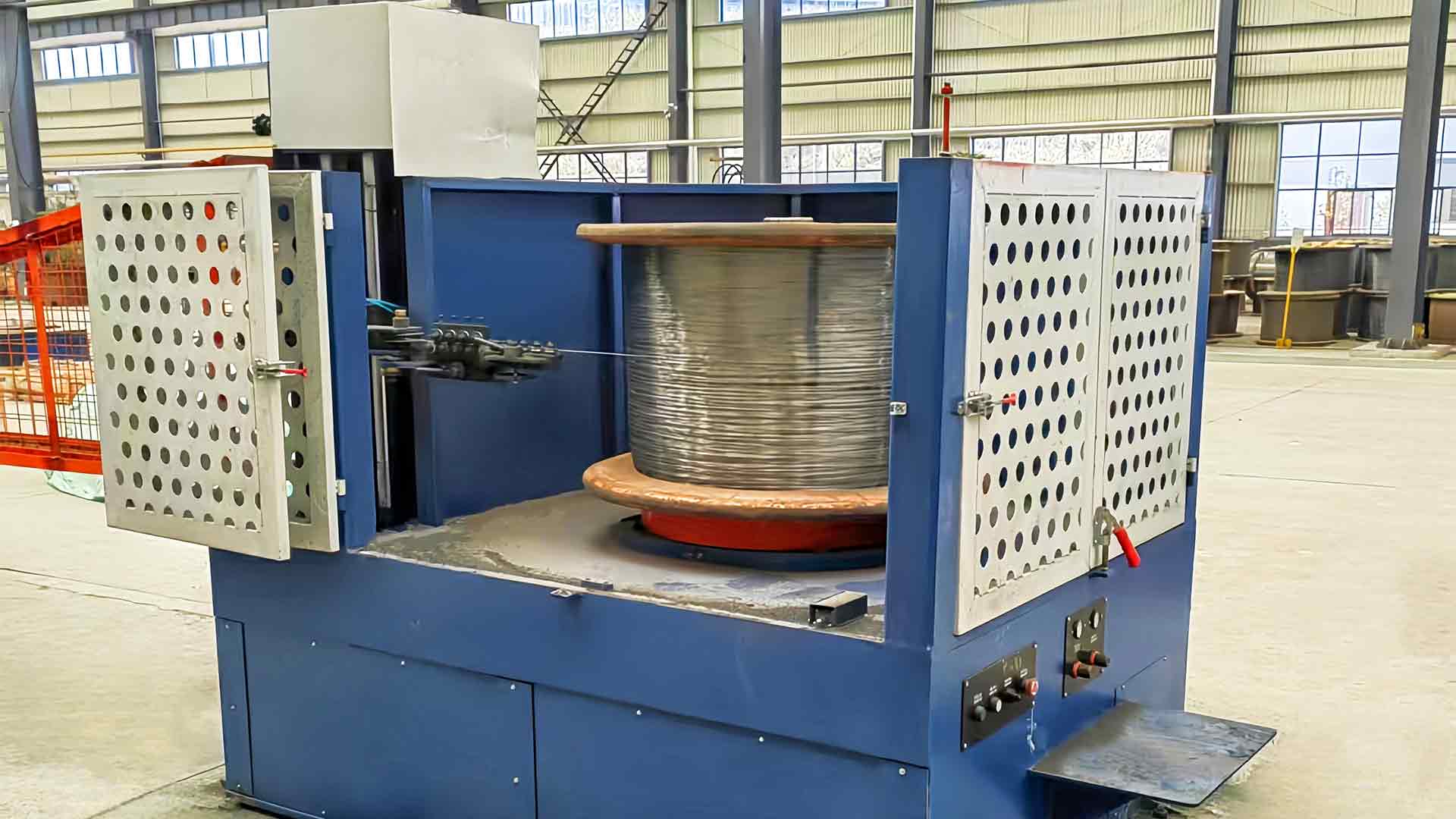
Water tank machines are the usual choice for fine stainless wire because the wire remains fully submerged in lubricant, which provides excellent cooling and a clean, scratch-free surface. This is why the CL19-1250 stainless steel water tank drawing machine is specified for stainless applications that demand both product consistency and a bright finish. Straight-line dry machines handle rod breakdown and medium wire with high efficiency, while inverted machines suit heavy wire and continuous coiling where large coil weights matter.
OEM/ODM Stainless Steel Water Tank Drawing Machine Suppliers, Factory - Wuxi XinWuxi Xin Jinding Technology Co., LTD. is China OEM/ODM Stainless Steel Water Tank Drawing Machine suppliers and factory,The stainless ste...View Product →Lower Operating Cost per Ton
The financial case for a dedicated machine becomes clear when you calculate the cost per ton of finished wire rather than the purchase price alone.
Fewer wire breaks are the first saving. Every break stops the line, wastes the drawn section, and costs operator time for rethreading. A machine that controls tension precisely and cools the wire effectively runs with a break rate far below a marginal setup. The material yield improvement alone can justify the investment within the first year.
Die life is the second major saving. Stainless steel is abrasive, and dies are one of the highest consumable costs in a wire mill. Correct lubrication and cooling, built into the machine design, keep die wear slow and predictable. Operators can rotate dies on a planned schedule instead of reacting to unexpected failures.
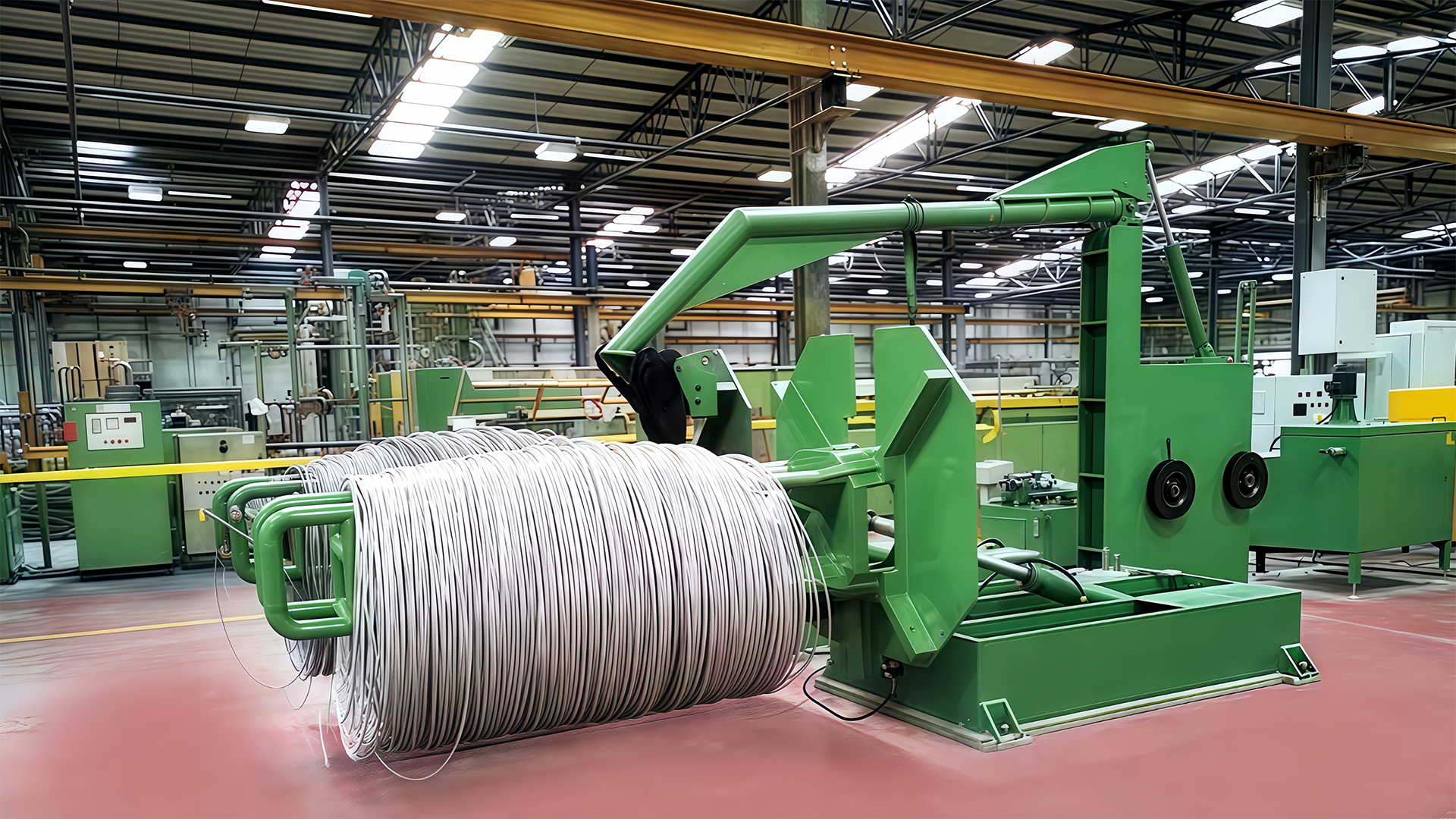
Energy consumption is lower as well. A machine matched to the material runs at its design efficiency instead of fighting the process with reduced speeds and repeated rethreading. A high-performance inverted wire take-up machine at the exit side keeps the line running continuously so the drawing machine does not idle between coil changes, lowering the energy cost per ton even further.
OEM/ODM High-Performance Inverted Wire Take-Up Machine SuppliersWuxi Xin Jinding Technology Co., LTD. is China High-performance Inverted Wire Take-up Machine suppliers and factory, we offer OEM/ODM Inv...View Product →What to Look for When You Buy
If you are evaluating stainless steel wire drawing machines, focus on the features that have the largest impact on daily operation.
- Cooling capacity: Check whether capstans, dies, and lubricant are actively cooled, and verify the thermal rating for continuous operation at your required line speed.
- Tension control: Look for closed-loop control with load cells or dancer systems that respond quickly to changes in wire diameter and spooling conditions.
- Lubrication system: Confirm that pump capacity, filtration, and die box design match the type of stainless steel you plan to draw.
- Maintenance access: Machines that make dies, capstans, and guides easy to reach reduce downtime and encourage consistent preventative maintenance.
- Compliance and support: Check for CE marking and ISO certification, and confirm that the manufacturer can supply spare parts and technical support in your region.
Selection also includes the equipment around the drawing machine. A production line is only as efficient as its weakest station, so payoff and take-up equipment should be chosen together with the drawing machine. The guide to wire take-up machine selection and efficiency improvement covers the key factors to consider when planning that part of the line.
The advantages of a stainless steel wire drawing machine all trace back to one idea: matching the equipment to the material. When cooling, lubrication, tension control, and die design are engineered for stainless steel, the benefits appear in every measurable metric. Better tolerances. Cleaner surfaces. Higher speed. Lower operating cost per ton. For a wire mill that processes stainless steel on a regular basis, a dedicated machine is not a luxury; it is the foundation of a reliable and profitable production line.