 English
 русский
 عربى
عربى

Optimal Cooling for Wire Drawing Machines
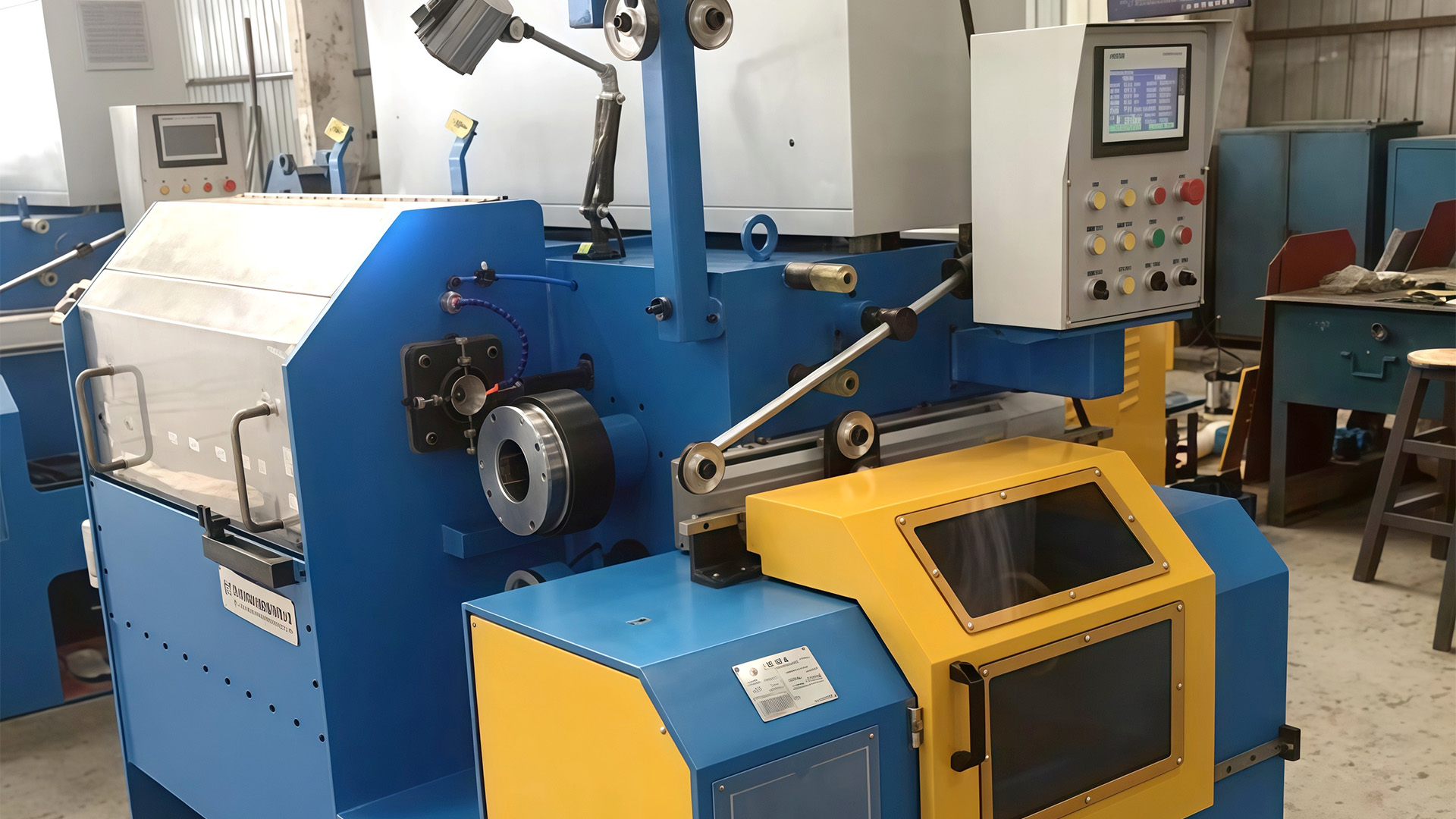
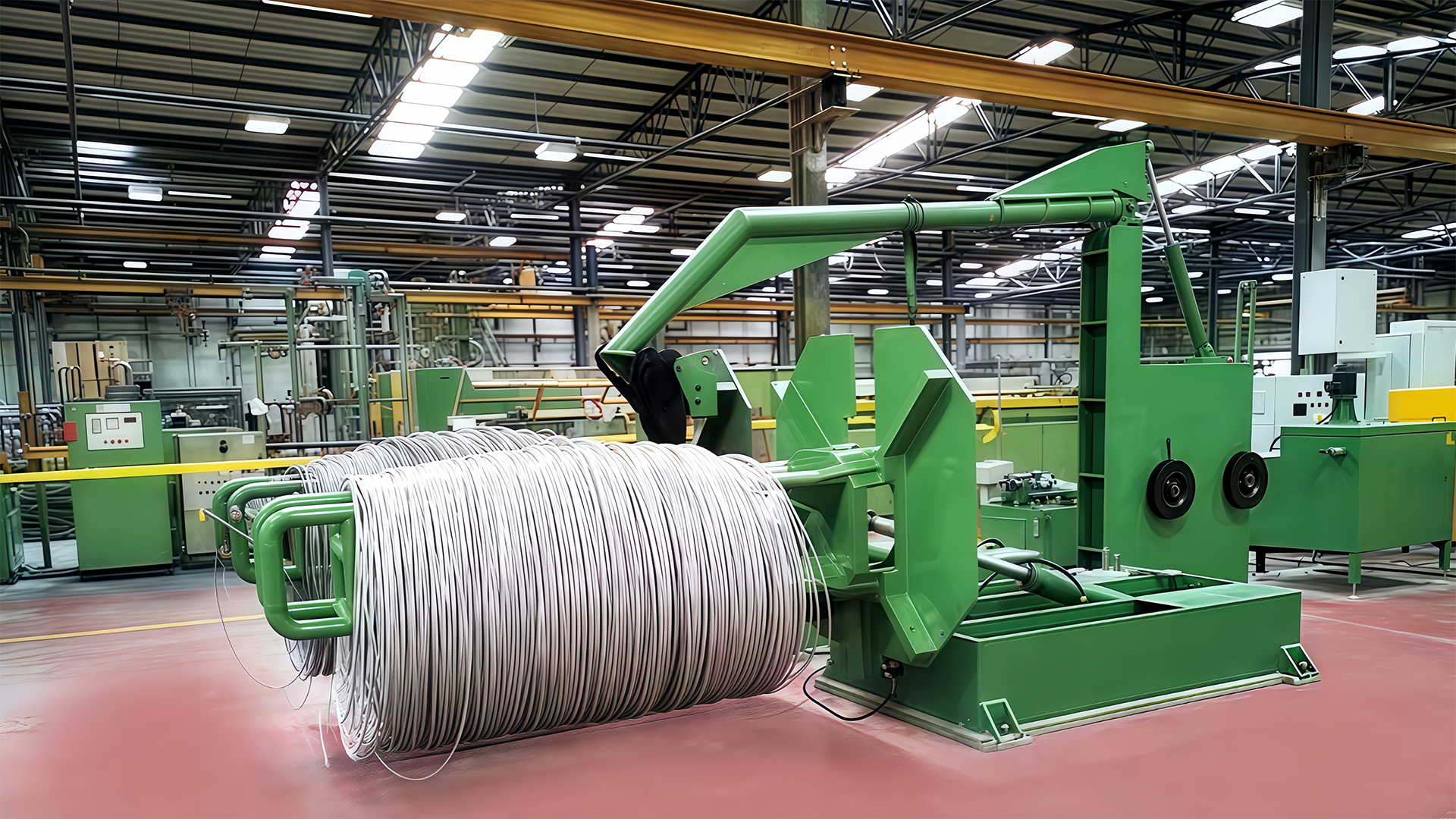
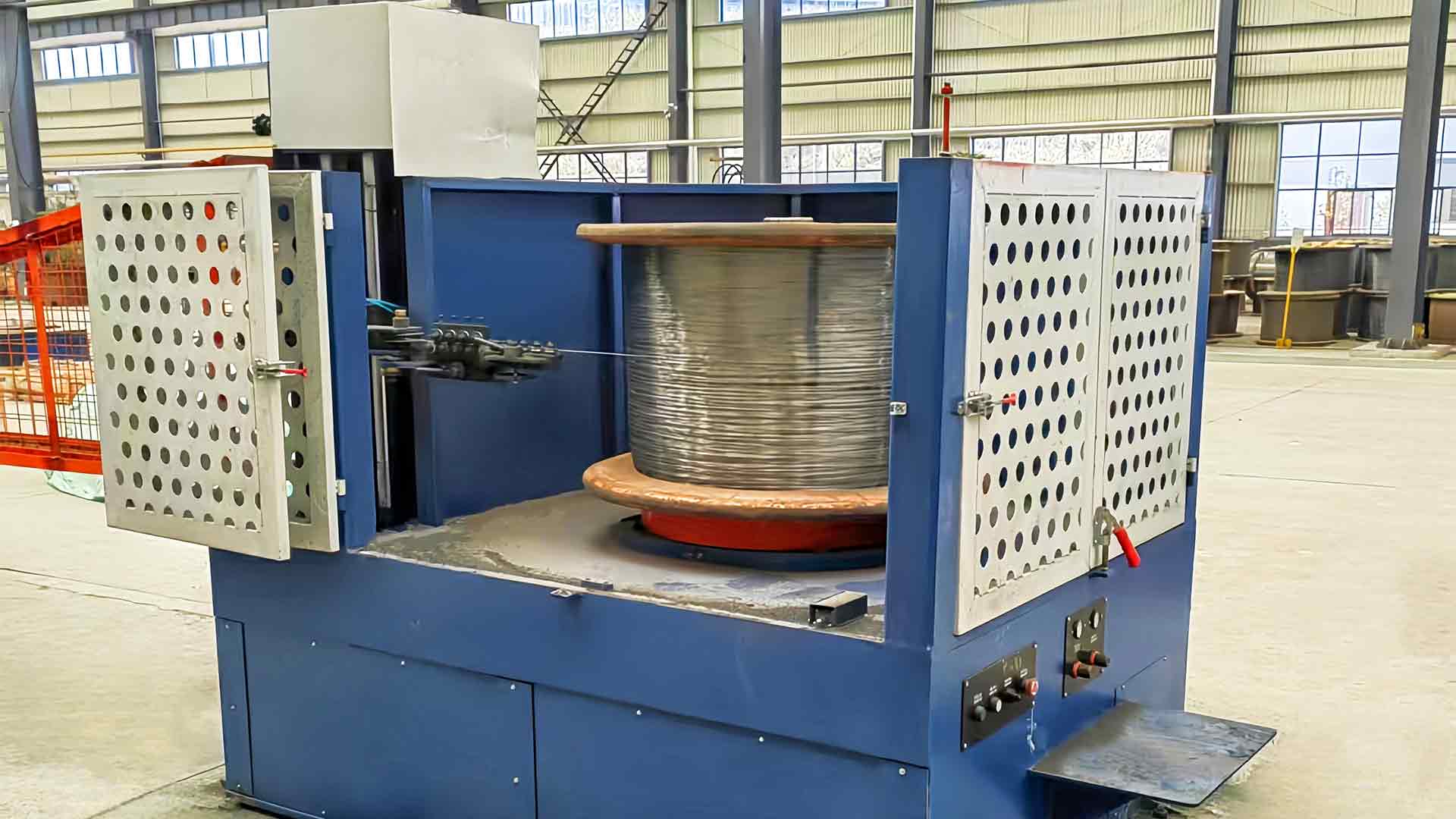
The Wire Drawing Machine used for high-speed operations typically relies on a water-based cooling system combined with forced-air or oil lubrication to maintain die temperature and wire quality. Modern systems often use circulating water tanks with precise temperature control, ensuring consistent heat dissipation, reducing wire surface defects, and preventing die wear.
Importance of Cooling in High-Speed Wire Drawing
During high-speed wire drawing, the metal wire is pulled through a series of dies at rates that can exceed 100 meters per minute for copper or aluminum. This generates significant frictional heat at the contact points. Without efficient cooling, the following issues can occur:
- Wire surface oxidation and discoloration
- Micro-cracks or surface defects reducing mechanical strength
- Accelerated wear and deformation of drawing dies
- Inconsistent wire diameter and poor dimensional accuracy
Thus, a robust cooling system is critical for both wire quality and machine longevity.
Types of Cooling Systems in Wire Drawing Machines
Water-Based Cooling
The most common method involves circulating water around the die and wire path. Key features include:
- Die cooling via water jackets
- Temperature-controlled water tanks to maintain 20–25°C for copper wires
- Flow rates adjustable between 10–50 liters per minute depending on wire gauge
Air Cooling Systems
High-speed operations often incorporate forced-air cooling, especially for fine wires where water may cause surface oxidation. Air cooling benefits include:
- Reduced moisture-related oxidation
- Targeted cooling at sensitive wire sections
- Combination with water or oil cooling for hybrid systems
Oil Lubrication Systems with Cooling
For specialized wires like high-strength steel or stainless steel, oil-based systems are preferred. Features include:
- Lubricates wire to reduce friction and die wear
- Oil is cooled via heat exchangers to maintain temperatures around 30–35°C
- Improves surface finish for precision wires
Comparison of Cooling Methods
The effectiveness of a cooling system can be evaluated based on wire quality, die life, and energy efficiency. The table below summarizes typical performance metrics:
| Cooling Type | Temperature Stability | Wire Surface Quality | Die Longevity |
|---|---|---|---|
| Water Cooling | High | Very Good | Moderate to High |
| Air Cooling | Moderate | Good | Moderate |
| Oil Cooling | Very High | Excellent | High |
Practical Implementation Tips
For users operating a high-speed Wire Drawing Machine, ensuring optimal cooling involves:
- Regular monitoring of water temperature and flow rates to prevent overheating.
- Periodic cleaning of water or oil circuits to remove deposits that reduce heat transfer.
- Using hybrid cooling systems (water + air or oil) for sensitive wires to balance surface quality and die protection.
- Installing sensors to detect wire temperature and adjust coolant flow automatically.
- Ensuring the cooling system is synchronized with wire speed for consistent performance.
These steps help maintain consistent wire diameter, superior surface finish, and prolonged die life, ultimately reducing production downtime and scrap rates.
The Wire Drawing Machine relies primarily on water-based, air-assisted, or oil lubrication cooling systems to manage heat in high-speed operations. Water cooling is the most common for general copper and aluminum wires, while oil lubrication provides the highest die protection for specialized materials. Correct implementation and monitoring of these systems directly impact wire quality, production efficiency, and equipment longevity. Choosing the appropriate cooling method is therefore essential for industrial wire drawing processes.