 English
 русский
 عربى

Wire drawing, considered
Inverted Vertical Wire Drawing Machines: Features That Shape Better Wire
A compact, steady, and quietly capable answer to the challenge of turning rod into wire without turning the factory floor into a maze.
The quiet logic behind the inverted vertical layout
An inverted vertical wire drawing machine is best understood by what it does to the wire path, not by the shape of its frame alone. In many designs, the drawing capstans are arranged vertically, the payoff sits above the die train, and the finished wire is guided down into a take-up unit. The result is a shorter, more direct route from rod to finished wire. The features of an inverted vertical wire drawing machine tend to follow from that single decision: compactness, tension stability, and a cleaner relationship between the machine and the floor around it.
Wire drawing is still a controlled reduction. The wire is pulled through dies and around capstans until the cross-section becomes the diameter the next process needs. If you want a refresher on the mechanics, our guide to how a wire drawing machine transforms raw metal into fine wire is a useful companion. What changes with the inverted vertical design is how much of that work happens in a short, deliberate vertical run rather than a long horizontal sequence.
A good wire drawing line does not announce itself with noise and spectacle. It announces itself with consistency, shift after shift.
Jinding engineering note
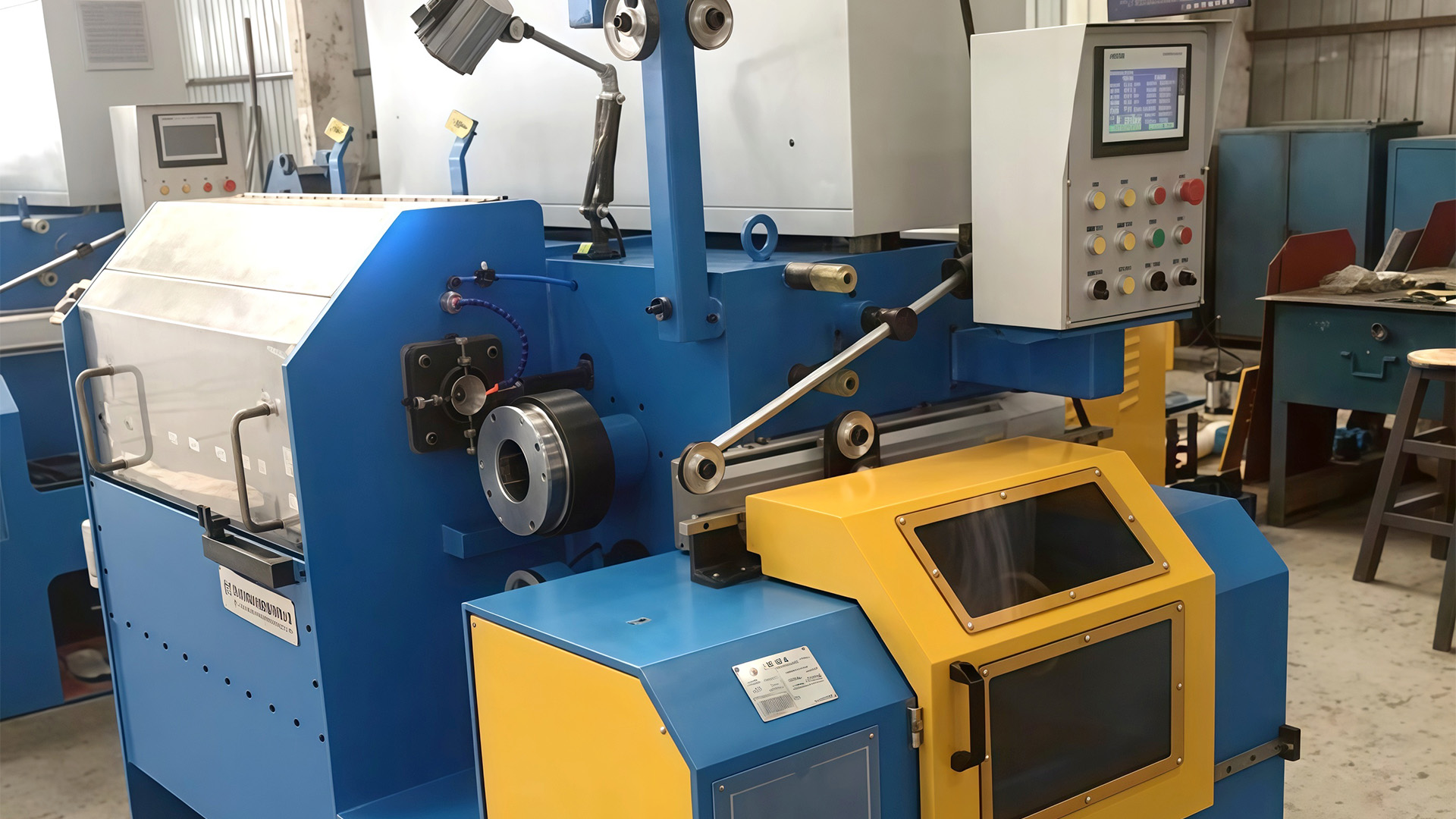
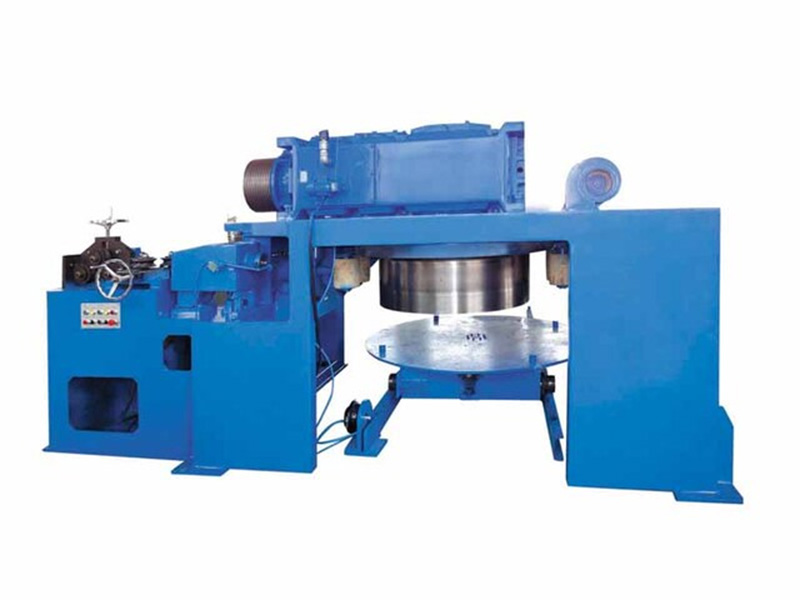 Inverted Wire Drawing Machines and DL SeriesExplore inverted wire drawing machines and the DL series, which use vertical layouts to cut aisle demand and draw various wires under ø42 mm.View Product →
Feature one: a footprint that earns its place
Floor space is rarely free. A horizontal line can stretch across a bay, demand long guide runs, and leave little room for material movement or maintenance access. An inverted vertical layout stacks the process in a smaller plan area. That does not mean the machine is small in capability; it means the layout uses height and a shorter wire run to reduce the amount of aisle and guide space the line demands.
- A narrower production bay without long horizontal runs.
- Shorter distance between payoff and take-up, which can simplify routing.
- Easier integration into an existing bay where length is the constraint.
- Less floor-level clutter around the drawing zone.
In practical terms, this is a machine you can plan around. The value is not only in the square meters saved, but in the way the line fits into the rhythm of a working factory. Operators need to move, coils need to be changed, and maintenance needs a clear route to the dies and capstans.
Feature two: a calmer path from payoff to take-up
Feeding a drawing machine is not just about hanging a coil. Tension has to arrive at the first die with composure. If the payoff is inconsistent, the drawing section spends its time correcting instead of drawing. An inverted vertical machine benefits from a short, mostly vertical wire path that reduces the number of horizontal redirects. Fewer changes of direction usually mean fewer places for tension to wander.
That is why the payoff matters as much as the drawing block. Our note on precise tension control and space optimization explores how a well-matched payoff can make a compact line feel calmer and more predictable.
Stable tension shows up in ways that are easy to recognize on the floor: fewer wire breaks, more consistent diameter, cleaner surface finish, and less second-guessing at the take-up. It also makes life easier for the people running the line, because the machine behaves the same way at the start of a coil as it does near the end.
Feature three: speed without unnecessary drama
Higher line speed is useful only when the wire remains round, bright, and consistent. The vertical path helps because it shortens the distance over which the wire must be controlled. When the payoff, drawing section, dies, lubricant, and take-up are properly matched, an inverted vertical machine can run at a brisk pace without turning every adjustment into a negotiation.
Where high speed becomes practical
A high-speed inverted machine is most convincing when the whole line is built for it. The payoff must release wire evenly. The dies must be cooled and lubricated correctly. The take-up must absorb the output without adding its own tension swings. Speed is not a single number on a brochure; it is the result of a balanced system.
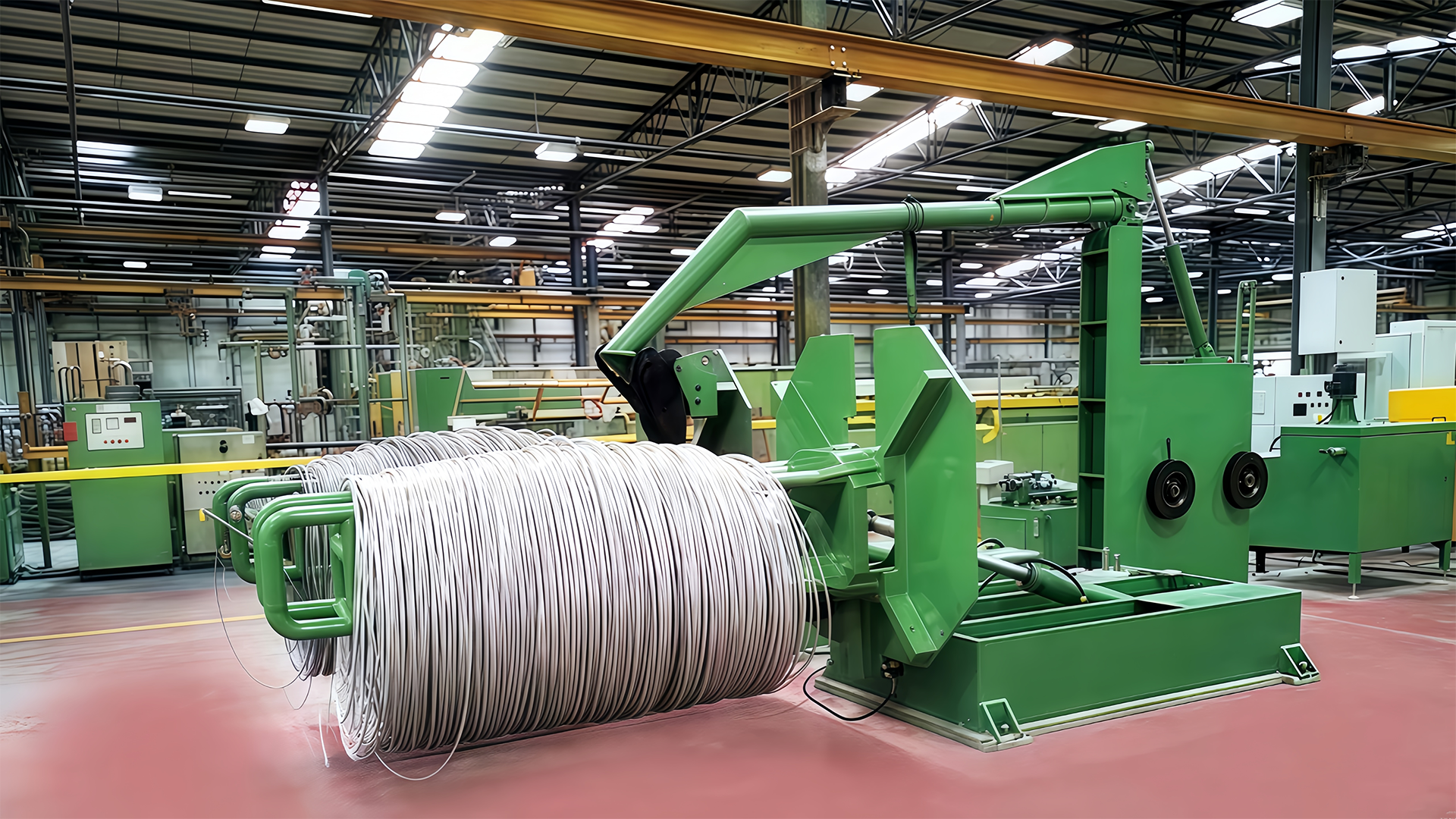
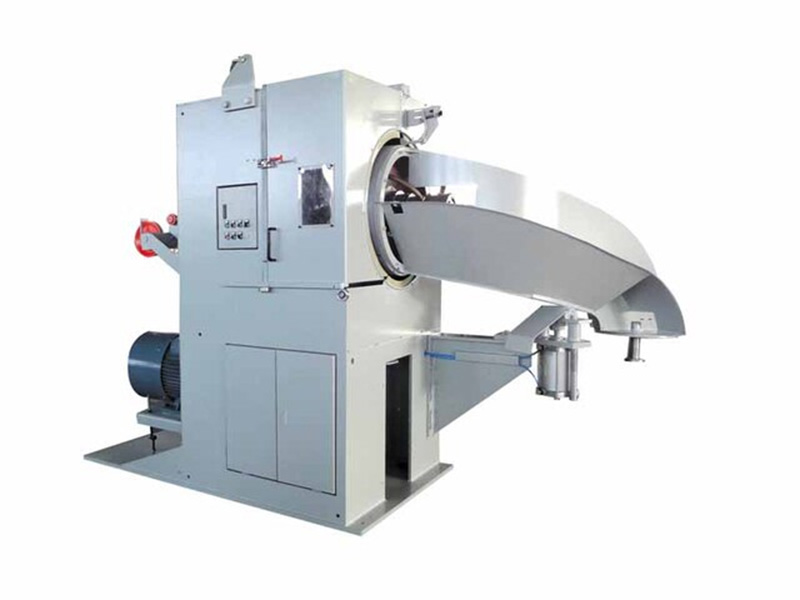 Inverted High Speed Wire Drawing MachineView this high-speed inverted drawing machine, designed for downward wire travel and precise diameter reduction in automated production.View Product →
Putting the features side by side
The table below is not a universal scorecard. It simply shows how the inverted vertical approach usually changes the production floor compared with a conventional horizontal line.
| Consideration | Inverted vertical design | Conventional horizontal layout |
|---|---|---|
| Floor plan | Compact vertical stack, often a shorter bay | Longer horizontal run with more aisle demand |
| Wire path | Short and direct, with fewer horizontal redirects | Longer route with more guides and changes of direction |
| Tension behavior | Often calmer when payoff and take-up are well matched | More dependent on guide alignment and compensation |
| Housekeeping | Drawing zone stays visually contained | Long runs can collect dust, wire fragments, and clutter |
| Best fit | Bays with limited length and steady product families | Wide halls with long material flows and generous aisles |
The practical winner depends on the wire, the building, and the people who will run the line. A compact machine is only an advantage when it still gives operators room to work safely and maintenance teams room to reach the parts that wear.
Where an inverted vertical machine fits naturally
At Jinding Technology, we have seen this layout work well for producers who need a capable line without a sprawling footprint. It suits steady product families and factories where the distance from payoff to take-up is part of the quality story.
- Low-carbon steel wire for nails, mesh, and binding applications.
- Stainless steel wire where surface quality and lubrication control matter.
- Aluminum-clad steel wire for composite conductor production.
- Wire mesh manufacturing, where the drawing line feeds a downstream mesh process.
- Nail making and other wire products that benefit from consistent upstream diameter.
One of our inverted vertical wire rod models is built for producers who want the drawing section, payoff, and take-up to behave as one system rather than three separate decisions.
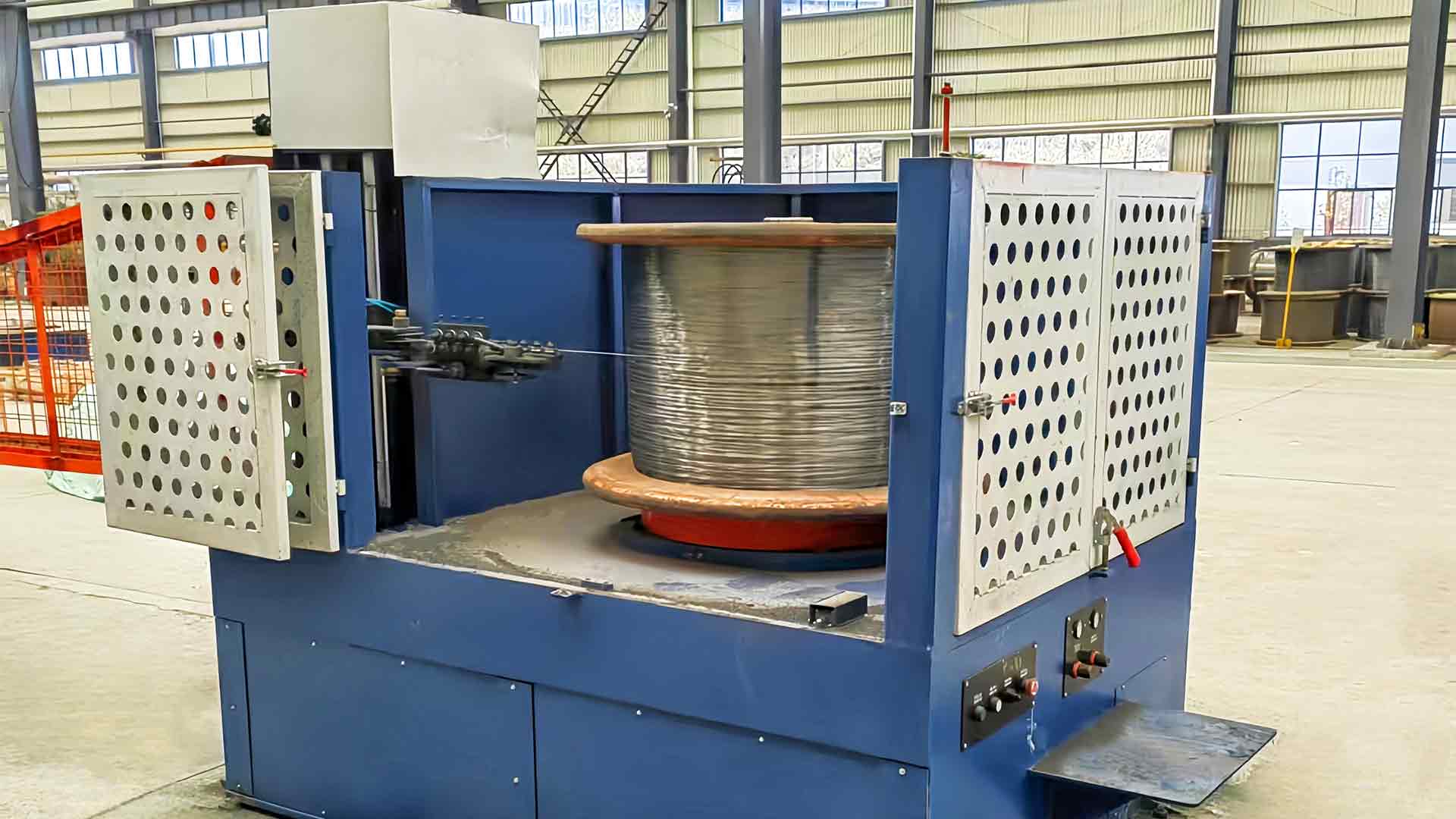
Inverted Vertical Wire Rod Drawing MachineReview this inverted vertical wire rod machine for downward drawing through successive dies, handling copper, aluminum, steel and alloys with easier maintenance.View Product →What to check before you choose a model
Specifications are a starting point, not the whole decision. A useful evaluation moves from the wire to the floor to the people who will keep the line running.
- Match the wire range to the die schedule, not just to the largest coil weight.
- Check payoff and take-up compatibility, including tension response and spool handling. Our guide to wire take-up machine selection and efficiency improvement explains why this pairing deserves attention.
- Measure the bay in three dimensions, including the space needed for coil changes and maintenance access.
- Confirm that dies, lubricant, cooling, and spares are part of the plan rather than an afterthought.
- Ask how the machine behaves during threading, start-up, and the last meters of a coil.
- Review commissioning and operator training, because a stable line is also a familiar line.
Good equipment leaves room for better work
Inverted vertical wire drawing machines are not automatically better than every other layout. They become better when their compact footprint, steady wire path, and integrated take-up match the work you actually do. The features that matter most are the ones you feel every shift: tension that stays composed, a floor that stays walkable, threading that does not become a performance, and output that arrives at the take-up without argument.
At Jinding Technology, we would rather help you match the machine to your wire, your building, and your team than sell you a specification. That is the practical meaning of experience: knowing which feature solves a real problem, and which one only looks impressive on paper.