 English
 русский
 عربى

Welding Wire Production — Equipment Brief A MIG wire plant spent six months chasing a 4% reject rate on ER70S-6 spools. Customer complaints pointed to erratic arc stability, yet t...
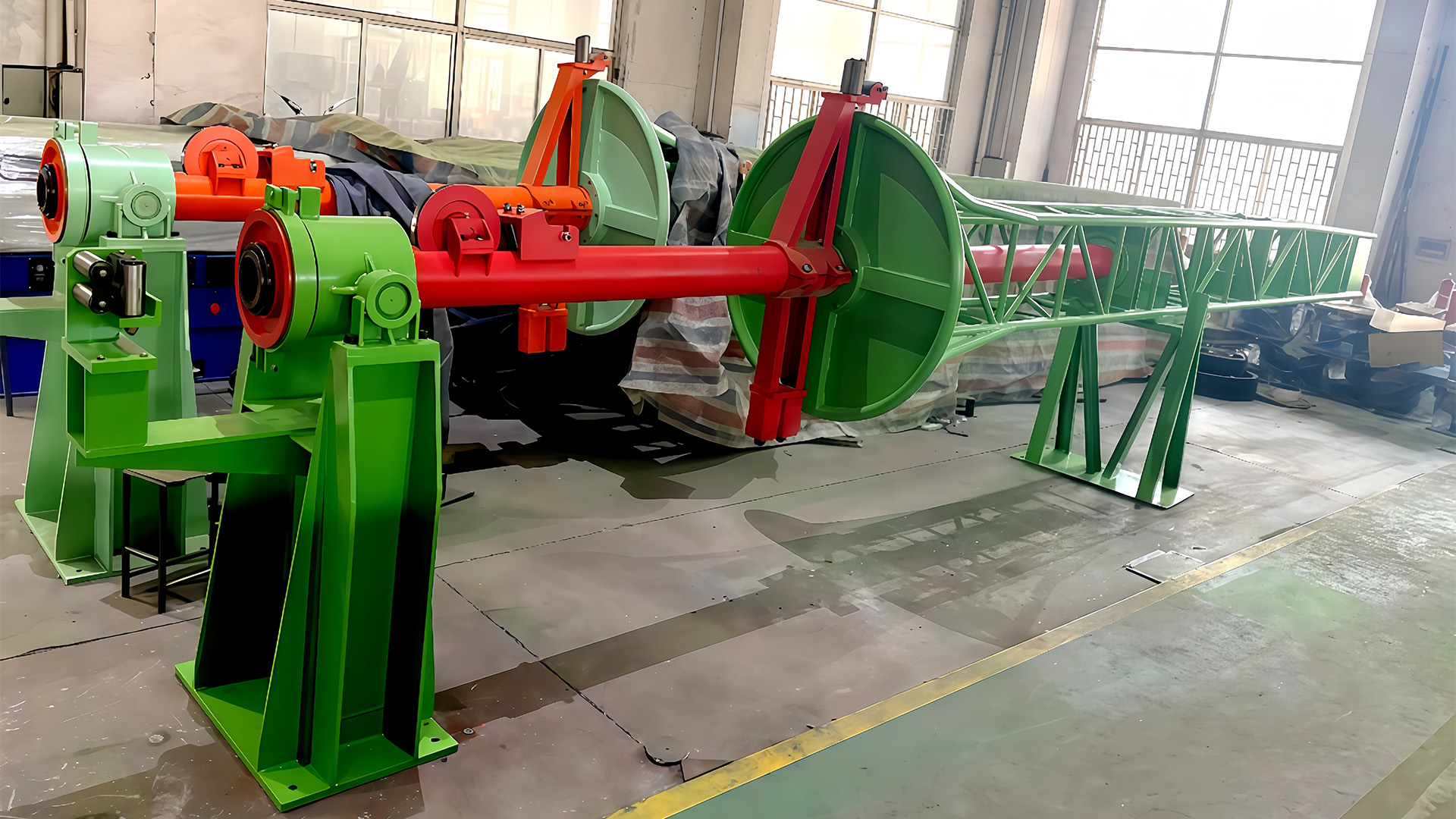
Welding Wire Production — Equipment Brief A MIG wire plant spent six months chasing a 4% reject rate on ER70S-6 spools. Customer complaints pointed to erratic arc stability, yet t...
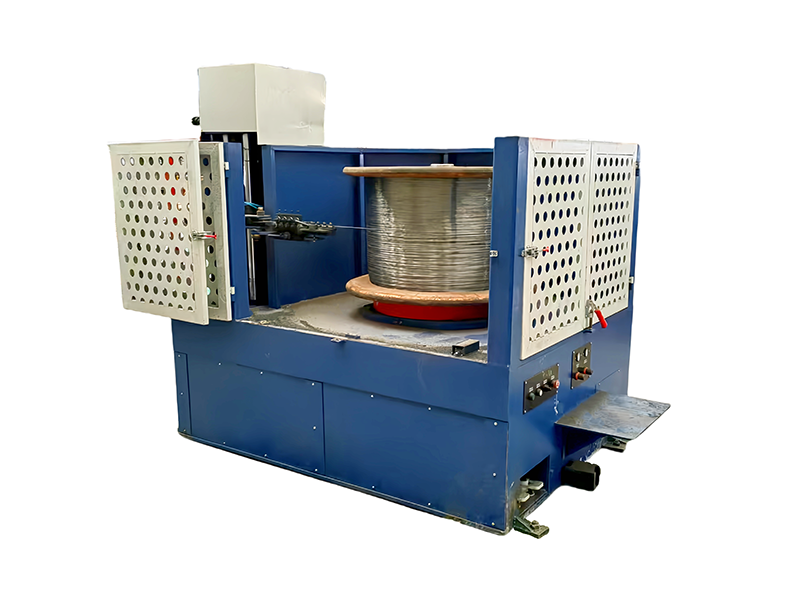
Inverted Vertical Wire Drawing Machine: The Advantages That Change How Coils Are Handled Heavy rod coils, cramped workshops, and crane-dependent coil changes are the quiet fricti...
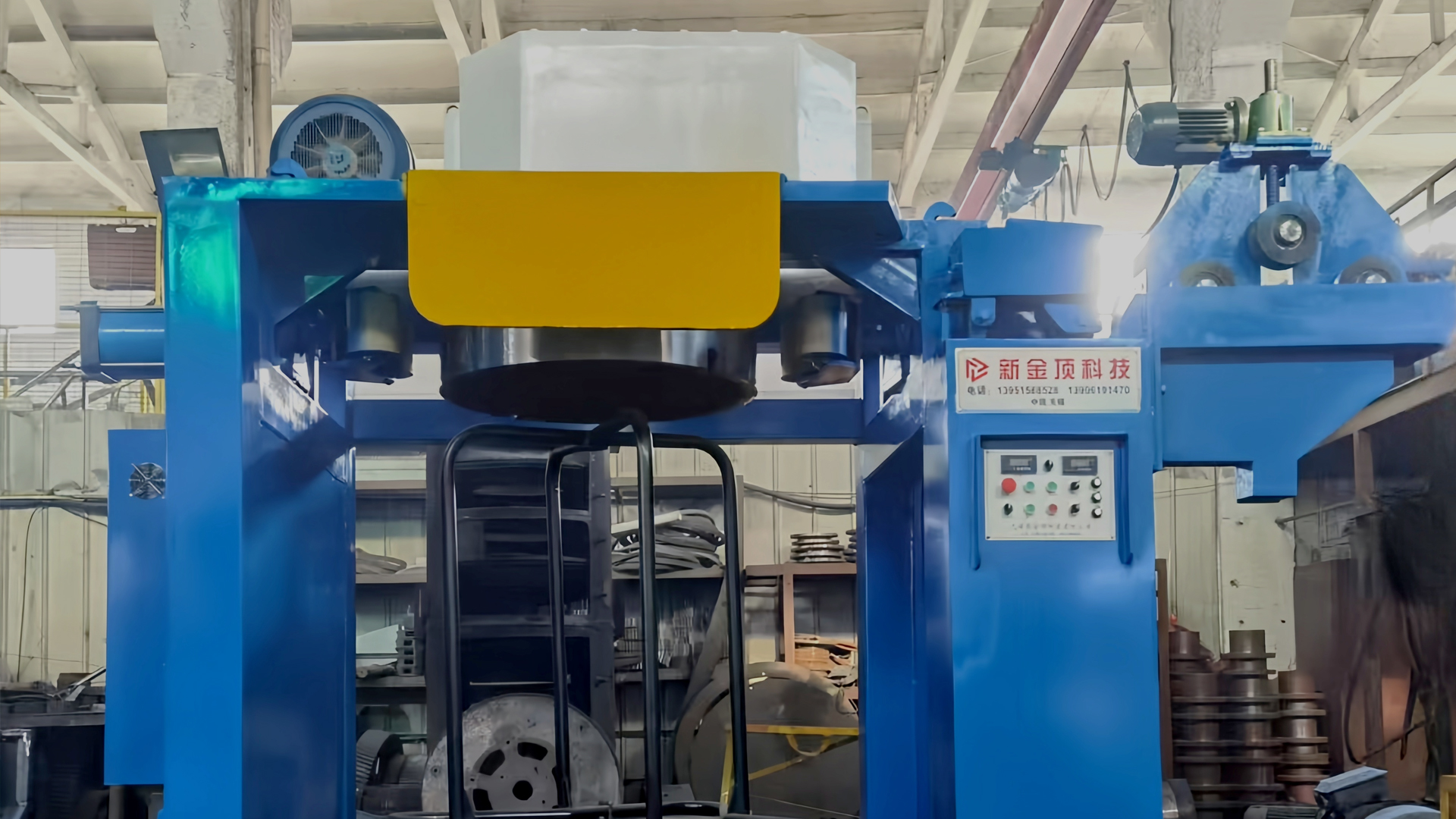
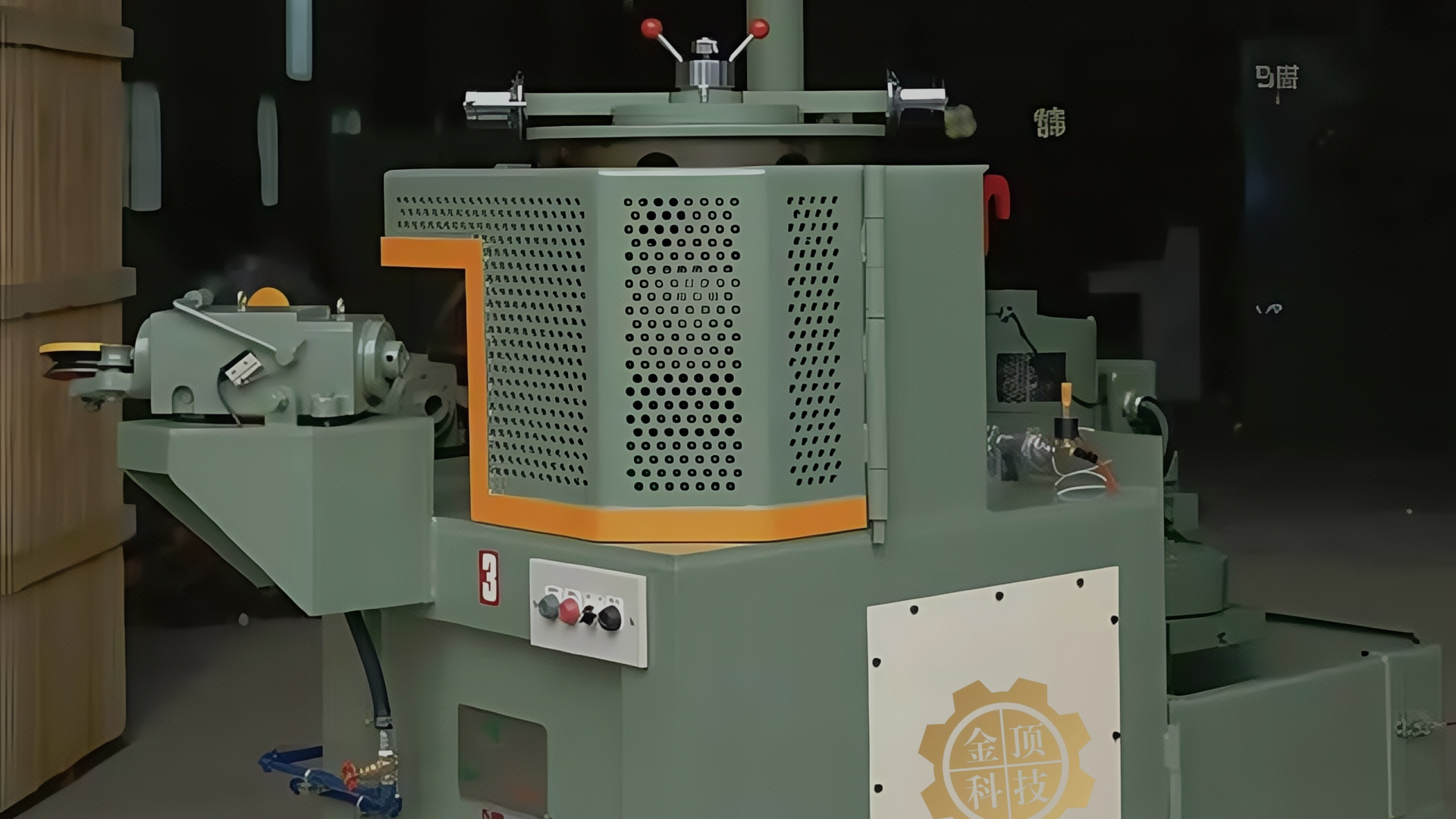
Stainless steel wire is one of the most demanding materials to draw. Its work-hardening behaviour, low thermal conductivity, and tendency to gall against die surfaces create probl...
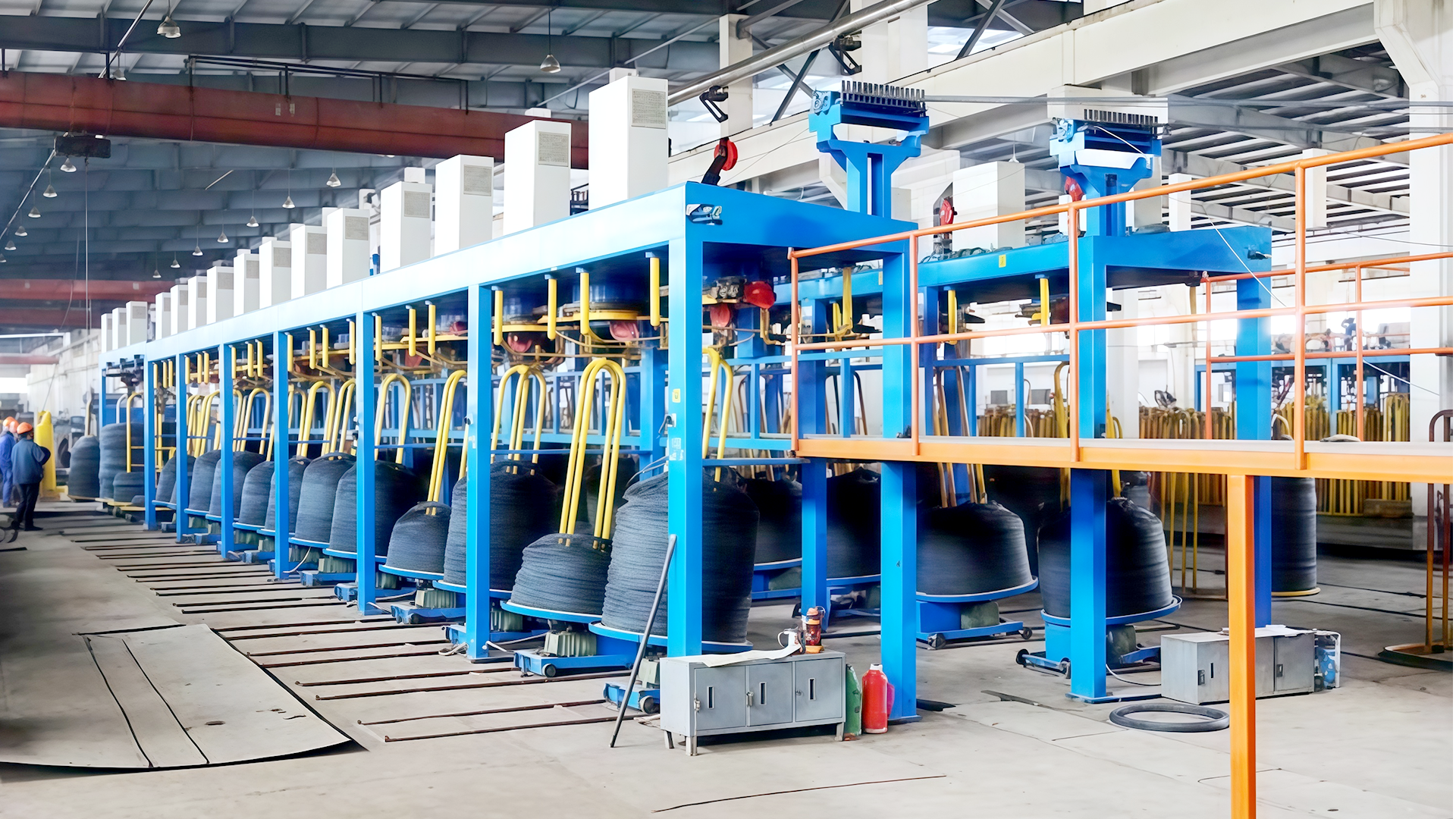
Every ton of low carbon steel wire carries the same hidden deadline: if the drawing line runs too slow or produces an inconsistent surface, downstream nail and wire mesh orders sl...
Imagine a cable plant that receives 8.0 mm copper rod and needs to produce 1.5 mm wire for building wire, plus 0.20 mm fine wire for magnet wire. The temptation is to compare copp...
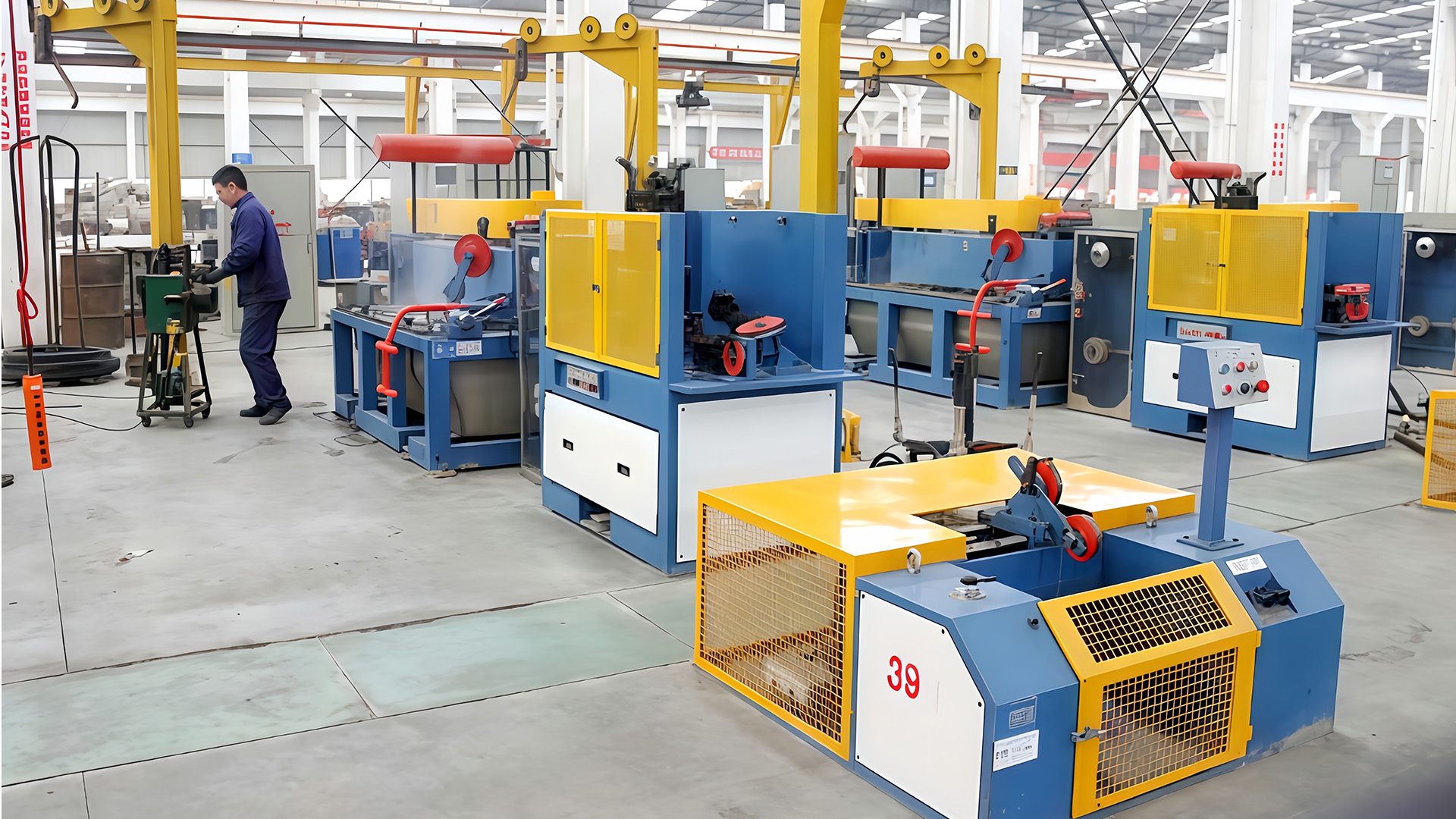
Mechanical Engineering — Manufacturing Series The Quiet Physics of Wire Drawing Inside the mechanical choreography that turns a thick metal rod into a hair-thin strand — one die,...
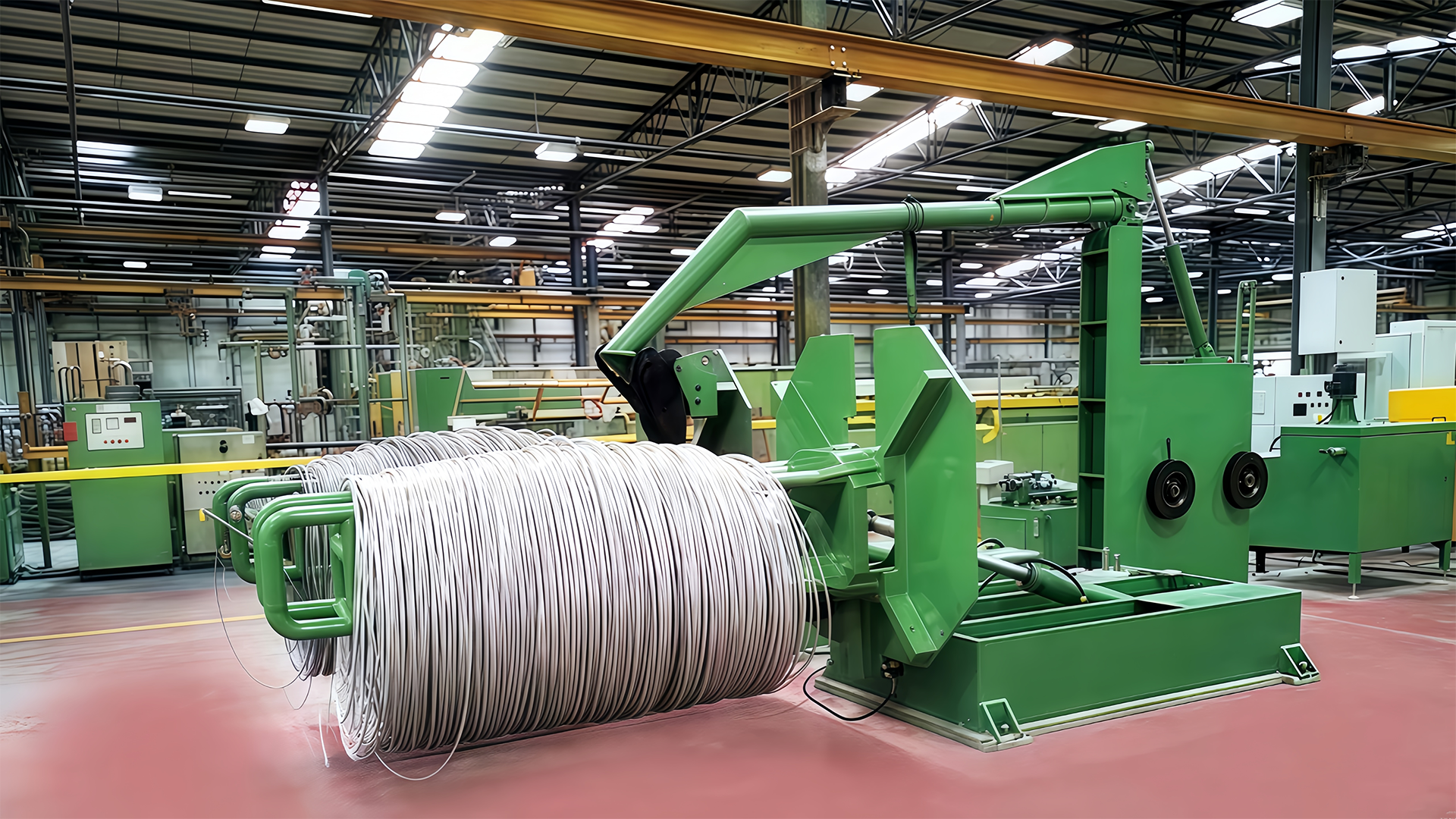
Manufacturing Insight — Materials & Feed Systems What Types of Materials Are Typically Fed Using a Pay-Off Rack? From fine copper wire to fiberglass roving — a closer look at...
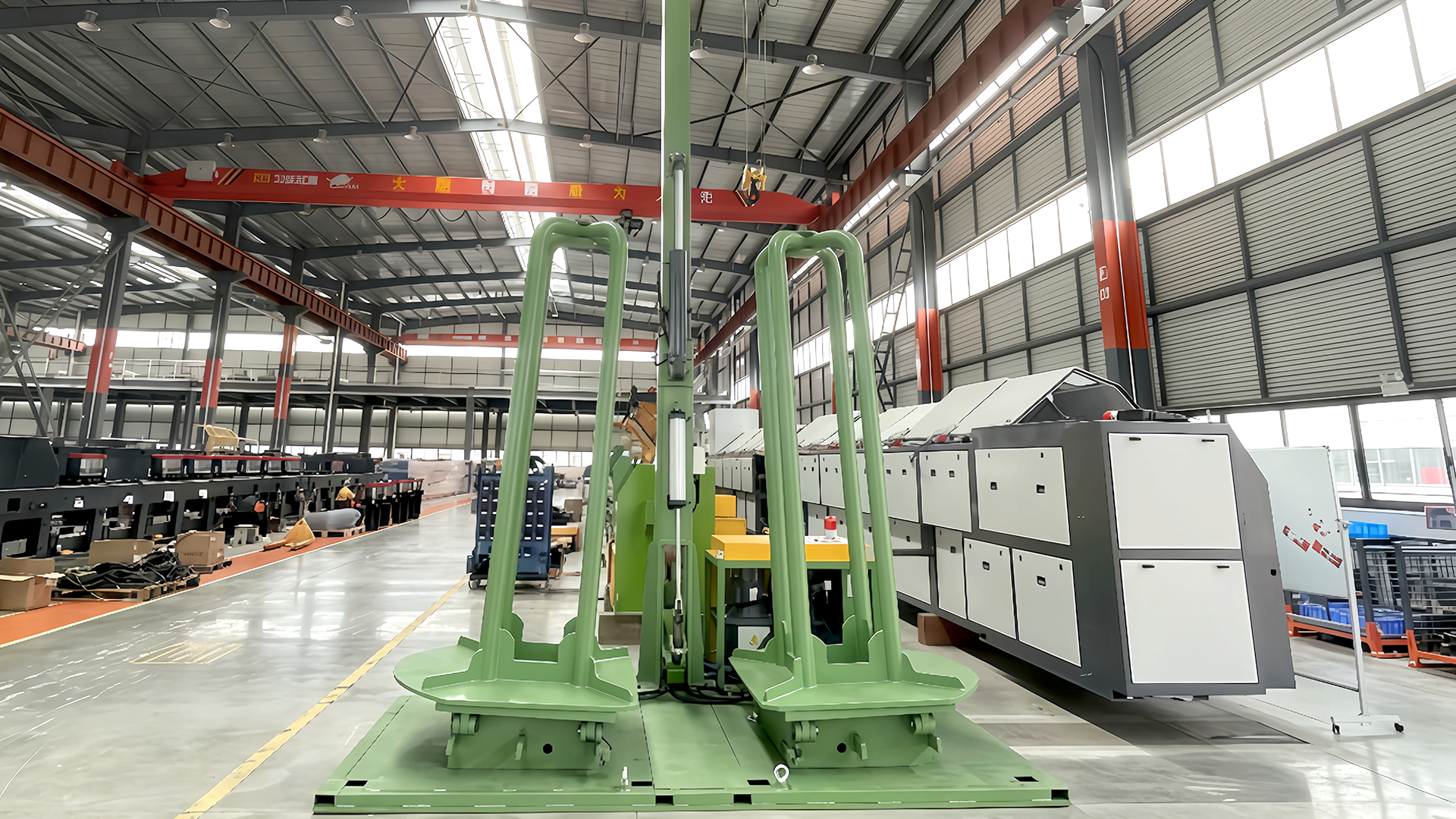
Manufacturing Insight — Pay-Off Systems Can a Pay-Off Rack Handle Multiple Spools Simultaneously, and How Does That Affect Line Speed? A direct answer, and the engineering nuance...
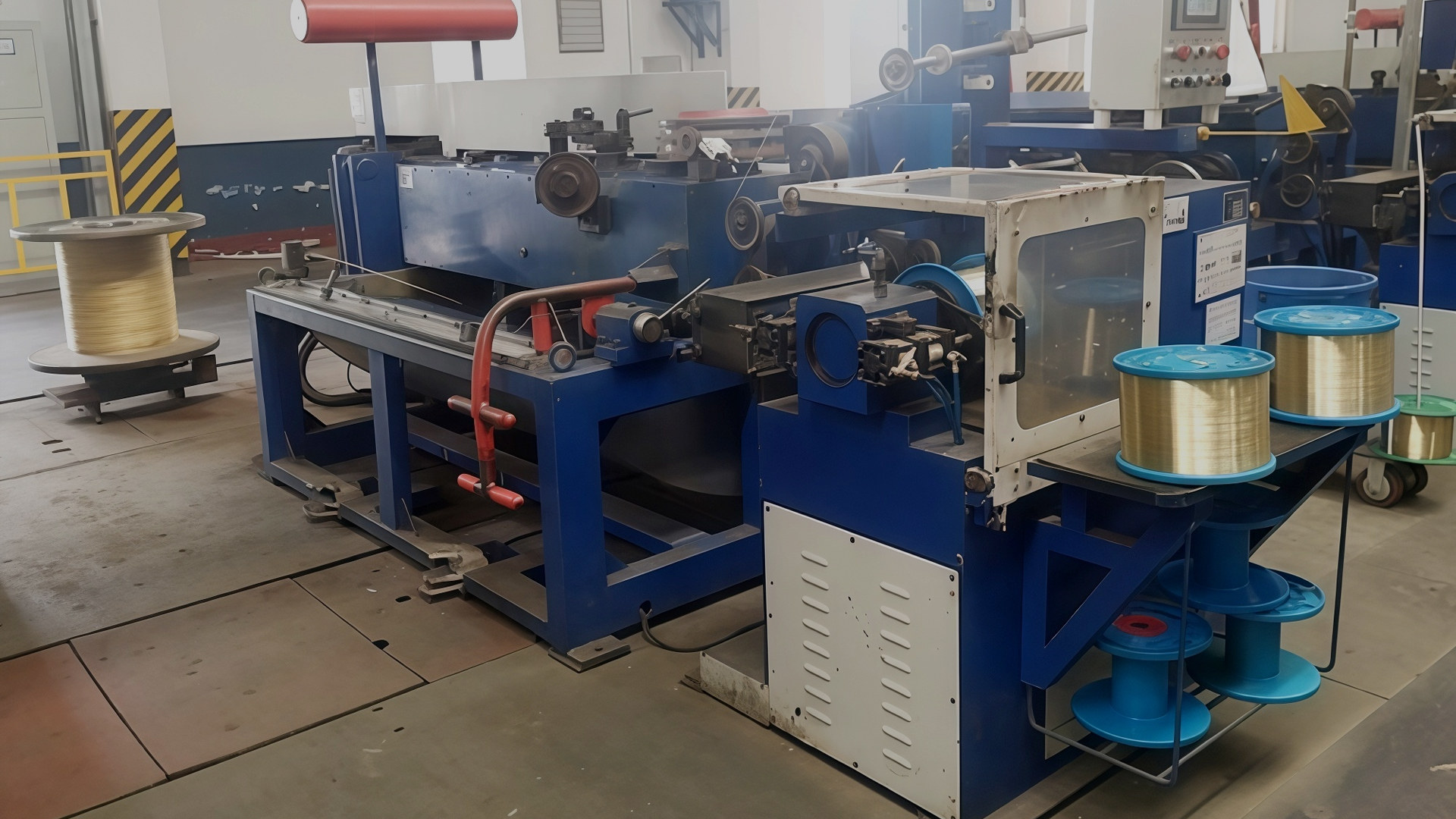
Industrial Engineering — Manufacturing Insight A wire drawing machine's efficiency is not a fixed number—it changes significantly depending on the diameter of the wire being proc...
The braking system on a Wire Pay-off Machine must operate in fundamentally different modes depending on whether it is processing high-tensile steel wire or soft annealed copper wi...
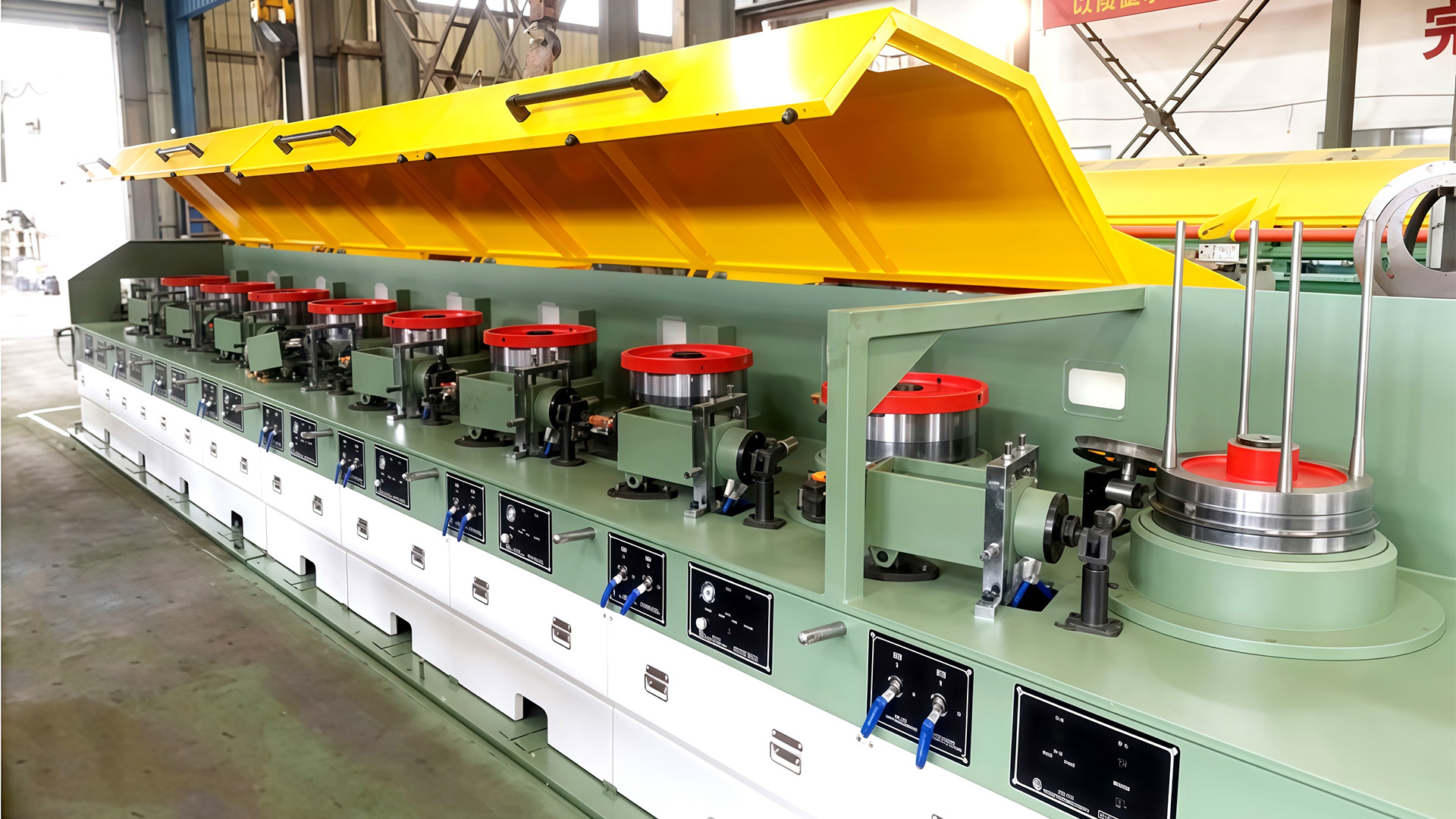
Craft & Precision — An Editorial on Metal Long before a coil of wire becomes jewelry, circuitry, or thread, it passes through a quiet mechanical ritual — drawn, narrowed, and...
The space requirement difference between compact and industrial Wire Pay-off Machine systems is substantial. In practical terms, compact units typically require 1–3 m² of floor sp...



+86-158 5278 2689


East side of Zhongdong Village, Houqiao Street, Xishan District, Wuxi City
Copyright©Xin Jinding technology Co., Ltd. All Rights Reserved.
 Wholesale Stainless Steel Wire Drawing Machine Manufacturers
